Iran’s attempts at political breakthrough at global events failed, analyst says
Iran’s diplomatic efforts at international events in New York failed to achieve a political breakthrough, according to Iran affairs researcher Aref Nasr.
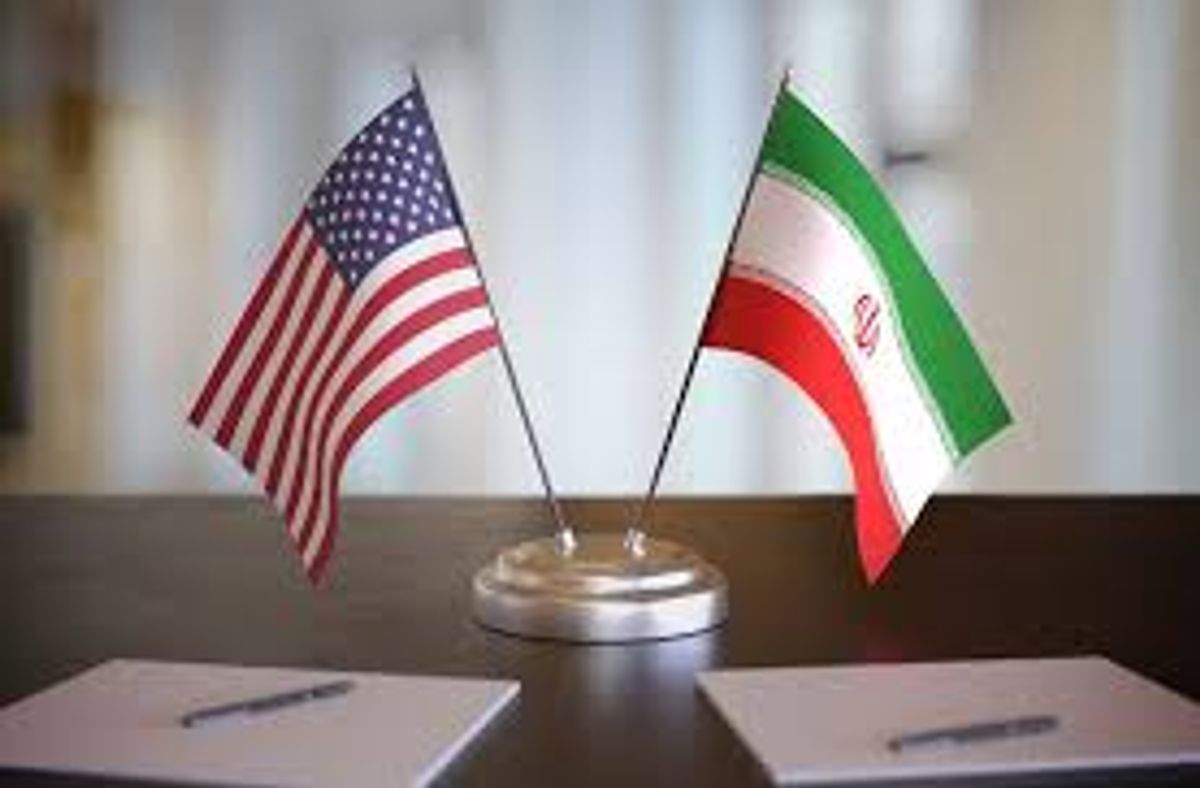
The ongoing conflict between Iran and the United States has inflicted an "unbearable" strain on the global economy, warned Qatar on Tuesday. Foreign ministry spokesperson Dr. Majed Al Ansari stated this during a press briefing in Doha, as talks aimed at reaching a deal continued.
Al Ansari expressed concern over the impact of the war on the international economy, stating, "How long can the international economy withstand the results of what is happening in our region?" He acknowledged that obstacles would remain in any agreement, but emphasized the role of Qatar in overcoming these difficulties and bridging the gap between the two sides.
Meetings between Qatar and the involved parties had taken place in recent days, with Doha acting as a mediator. Al Ansari declined to disclose the progress of the negotiations. He reiterated Qatar's stance for a peaceful resolution despite being targeted by Iranian missiles.
The Gulf states, Iraq, and Jordan have not participated in the war, Al Ansari noted, as they have no separate conflict with Tehran to settle. He described the situation as an "aggression" against their countries and urged Tehran to ensure it would not attack neighbors involved in a war they had not joined.
For a lasting settlement, Qatar stressed the need for regional security arrangements based on coexistence and non-aggression. Currently, Doha is focusing on bringing the parties closer to an agreement and reopening the Strait of Hormuz to free navigation, which is vital for Gulf exports.
Al Ansari highlighted that the Gulf exports more than just oil and gas, including urea, ammonia, helium, petrochemicals, and aluminium. These commodities are crucial for agriculture, fertiliser production, and industrial processes. The strain caused by the war could worsen as winter approaches, potentially leading to further disruptions in crop yields and increased reliance on coal for energy production.
Written by urgent.news from Euronews's reporting — not their text. Machine-written — may contain errors; check the original before relying on it.
This story
This is one outlet's version. Read the fullest account.