Inside McDonald’s push to have AI price its menus
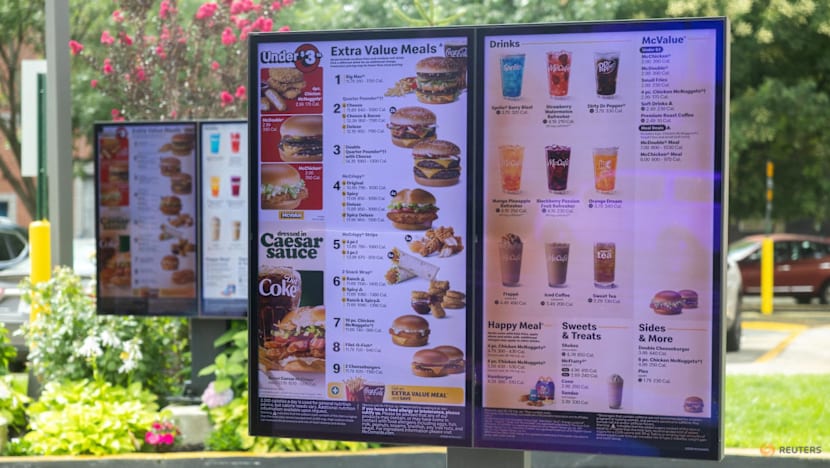
McDonald's is increasingly leveraging artificial intelligence to determine menu prices across the United States and certain international markets, a strategy designed to increase profits for the company but potentially alienate customers and attract antitrust concerns. One key factor influenced by AI is an estimate of the willingness of patrons at each store to pay for items. The specifics of this pricing system, its extensive use of AI, regulatory concerns, and tensions with franchisees have not been previously disclosed.
Reuters examined screenshots of the company's pricing engine, taken in August, and conducted interviews with nine sources who have firsthand knowledge of McDonald's approach. The pricing engine utilizes machine-learning algorithms to continuously analyze data from millions of daily transactions at McDonald's' approximately 14,000 restaurants. This data enables the engine to generate "the optimal price" for each location and menu item, ranging from Big Macs to discounted coffee for seniors.
The engine has resulted in widened price differences for the same product between restaurants, even within the same neighborhood. For instance, franchisees told Reuters that three McDonald's locations in the same area could display significantly different prices for the same item. Screenshots of the franchisees' interface show messages indicating the sensitivity of a restaurant's price settings based on the "customer willingness to pay in your area."
The platform also incorporates public price information from competitors' online menus, such as Wendy's and Burger King, which have stated they do not employ AI in their pricing decisions. A September check of McDonald's prices on the company's mobile app revealed price differences, like a Big Mac costing $5.69 at one McDonald's location and $6.89 at another just two miles away—a 21% premium.
While McDonald's states that franchisees are free to set their own prices, five store owners told Reuters that the company pressured them to use the AI pricing tools. McDonald's' internal documents from June reveal that the company meticulously records deviations from AI recommendations by franchisees. In January, McDonald's began requiring franchisees to engage constructively with approved pricing consultants and tools as part of its new business standards.
McDonald's maintains that its pricing portal is a tool, not a mandate, intended to provide restaurant-specific recommendations to help franchisees deliver value to customers and make informed business decisions. The company dismissed Reuters' reporting as "speculative and uninformed" and refuted claims that the pricing practice is controversial.
The implementation of AI in pricing decisions at McDonald's and other fast-food chains could lead to regulatory and reputational risks. Fast-food companies, including Yum Brands (owners of KFC and Taco Bell), are also exploring AI for pricing and operational improvements. In a recent investor meeting, McDonald's emphasized the importance of its pricing engine in its broader affordability strategy, noting that franchisees recognize the need for affordable menu items to attract low-income consumers.
This deeper involvement in AI pricing presents potential regulatory and reputational challenges. Other consumer companies, like Wendy's, have faced public backlash over accusations of unfair price fluctuations following the implementation of dynamic pricing systems. Instacart temporarily halted the use of AI tools that displayed different grocery prices to different shoppers after a study disclosed the practice, leading to criticism from consumers and lawmakers. The company pledged to never use personal information to determine item prices.
As AI adoption grows, US courts and regulators are closely examining whether certain algorithmic pricing practices facilitate illegal coordination between competitors—often considered franchisees in the fast-food industry. McDonald's warns that franchisees accessing its pricing engine portal risk scrutiny related to antitrust prohibitions since they may act as competitors.
In 2023, McDonald's CEO Chris Kempczinski revealed that the company had developed proprietary tools to evaluate pricing at individual restaurants. A lawsuit alleged that McDonald's pushed Connecticut franchisee George Michell to raise the price of a Big Mac meal to approximately $18, sold off a state turnpike, alleging discriminatory motives.
McDonald's disputed the lawsuit, stating that Michell repeatedly breached the terms of his franchise agreement.
Written by urgent.news from CNA - Business's reporting — not their text. Machine-written — may contain errors; check the original before relying on it.