India was late to the AI chip race. Could cameras and cars offer a way in?
In the second of a two-part series on India’s chipmaking ambitions, CNA looks at how homegrown startups are developing specialised AI chips for cameras, cars and other devices.
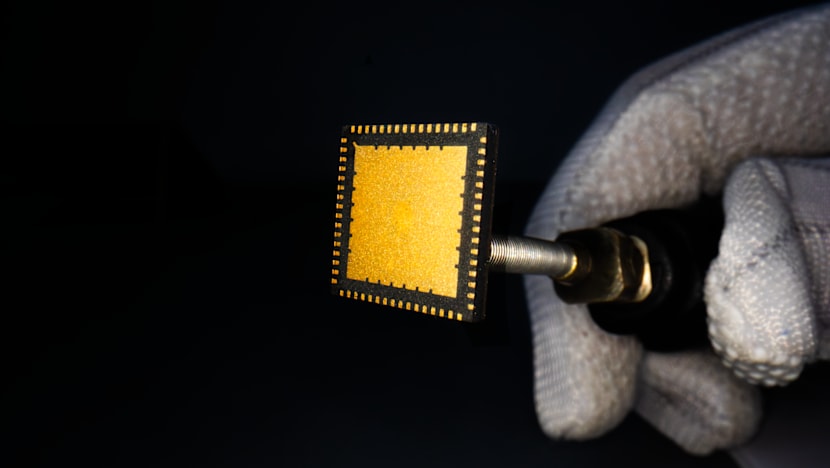
India lags behind in the race to develop AI chips for data centers, but startups are making strides in creating specialized chips for cameras, cars, and other devices. These edge artificial intelligence (AI) chips enable AI to operate locally, eliminating the need for constant cloud data transmission. Pratik Parmar, CEO of Atomo, showcased a circuit board that can identify fires, track people, or detect factory defects without cloud reliance.
Atomo currently uses a US-designed Amlogic chip, but the Indian market is rapidly evolving. The government's chip-design program has granted 105 startups access to advanced design tools, producing 35 chip designs ready for manufacturing. Industry experts believe India has a chance to compete by focusing on processing intelligence in cameras, vehicles, and everyday electronics.
AI systems increasingly require local processing for faster responses, as illustrated by the need for immediate reactions in cars or real-time defect detection in factory cameras. Such local intelligence benefits products like surveillance cameras, which rely on uninterrupted operation and data confidentiality. Indian chip designers are targeting the growing consumer electronics market, projected to triple from US$64 billion in 2026 to US$200 billion by 2035.
With a substantial chip-design workforce and investors pouring money into the sector, India positions itself as a testing ground for such technology.
Written by urgent.news from Channel News Asia's reporting — not their text. Machine-written — may contain errors; check the original before relying on it.
This story
This is one outlet's version. Read the fullest account.
- From cameras to cars, India’s chip startups chase an edge in AI channelnewsasia.com