In Japan, anti-foreigner fake news drives far-right gains
Japan risks being pulled into a spiral of online disinformation about foreign crime that is stoking xenophobia and playing into the hands of the far-right, researchers warn. The trend is reportedly deepening divisions within Japanese society and creating a feedback loop that experts say will be difficult to break. In August, Constella Security Japan, a Tokyo-based cybersecurity firm commissioned…
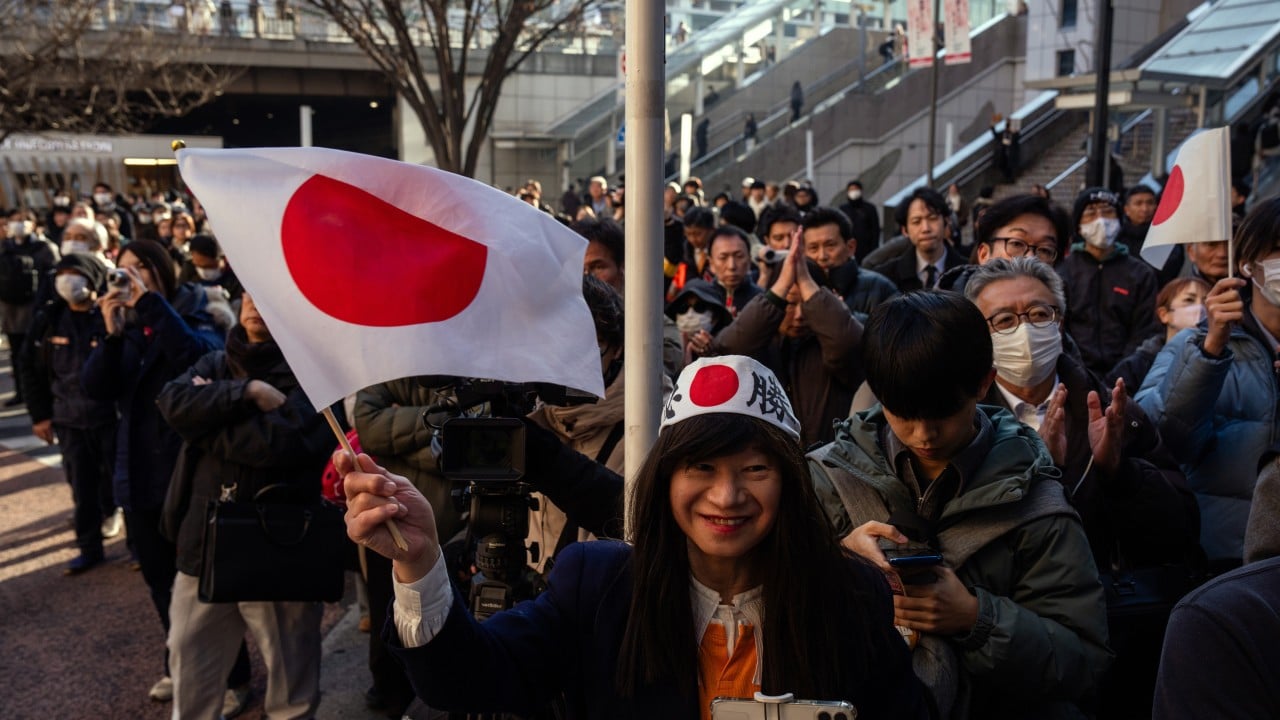
Researchers in Japan warn that a surge of online disinformation about foreign crime is deepening societal divisions and benefiting far-right political parties. In August, cybersecurity firm Constella Security Japan hosted a webinar for officials and media to combat fake news targeting foreign residents. The event highlighted viral social media clips, such as "metal theft by foreigners" and "stealing metal from railway tracks," which claimed migrants were cutting railway cables.
These videos garnered around 4.3 million views on multiple platforms by mid-September. However, the footage was manipulated, with Arabic content replaced by Japanese subtitles before being recirculated locally, sparking backlash against foreign residents.
Prof. Yo Nonaka from Keio University, who studies Muslim communities in Japan, emphasized that rumors and fake news on social media deliberately portray foreigners in a negative light, making it harder for Japanese people to accept them. She noted that such content helps far-right parties gain more voters by spreading misinformation.
Prof. Makoto Watanabe of Hokkaido Bunkyo University pointed out that false reports fuel distrust during a time of rising tensions, echoing similar sentiments in other countries like the US, UK, France, and Germany.
Despite foreign nationals committing certain crimes, experts argue that such incidents should be put into perspective. Business owner Chris Dunn, living in Japan for 37 years, noted that while crimes by foreign nationals do occur, Japanese people also break the law. He hoped for a balance that satisfies both sides. However, official comments have only amplified hostility.
In July, Kimi Onoda, the minister in charge of policies on foreign nationals, claimed that one in four inmates in Japanese prisons was foreign. This figure only applied to Tokyo’s Fuchu Prison, which mainly houses male foreign inmates, accounting for just 6.6% of the nation's prison population. The minister's remark sparked widespread online criticism, with some blaming Japan's "lax legal system" and suggesting a target foreign population of around 2%.
Written by urgent.news from South China Morning Post's reporting — not their text. Machine-written — may contain errors; check the original before relying on it.