IISc researchers use light to fix cell division
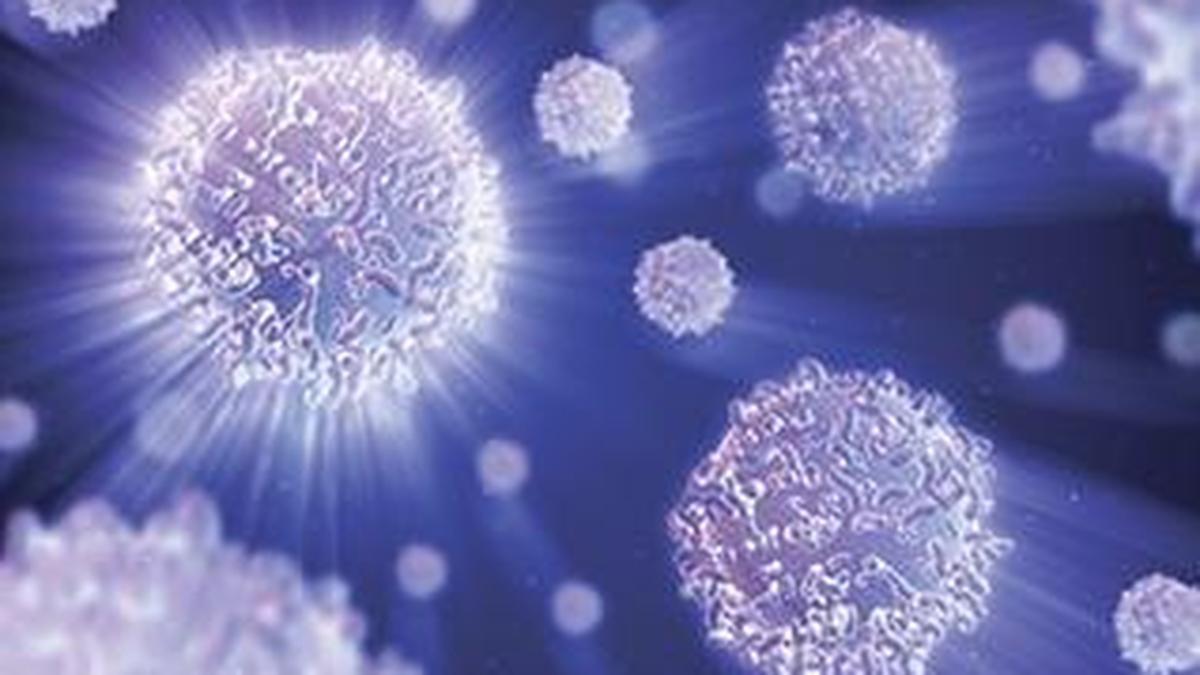
Researchers from the Indian Institute of Science (IISc) have developed a novel technique called Light-Induced Spindle Activation (LISA) that can activate Aurora A kinase, a crucial enzyme for spindle assembly, using blue light. This technique, named LISA, is an improvement over previous methods that relied on Cep192, an evolutionarily conserved scaffold, for Aurora A activation.
LISA allows for reversible activation of Aurora A kinase in various cell types, both in cell extracts and living cells, without the need for Cep192. This advancement enables scientists to study centrosomes and spindle assembly in greater detail and opens up the possibility of artificially manipulating these components when they fail.
The researchers from IISc identified a new application for the LARIAT technique, which is typically used to inhibit proteins by inducing their clustering with light. They engineered human cells to express a fusion protein with Aurora A kinase linked to CRY2, a plant protein that undergoes a conformational change in response to blue light, promoting its interaction with CIB1 and causing Aurora A clustering.
When blue light is applied during mitosis to cells lacking centrosomes, LISA induced Aurora A clustering and efficiently stimulated microtubule nucleation, restoring spindle assembly and rescuing defects in cell division caused by centrosome loss. This technique also has potential therapeutic applications, as it allows for the identification of Aurora A kinase-specific targets for drug design, independent of centrosomes, in solid tumors where Aurora A is overexpressed.
Written by urgent.news from The Hindu's reporting — not their text. Machine-written — may contain errors; check the original before relying on it.