How UAE vets could help protect public health, food security, and animal welfare
Dubai: When most people think of veterinarians, they may picture a clinic, a sick pet, or a farm animal needing treatment. But veterinary medicine moves beyond the examination room. In the UAE, a new generation of locally trained vets is being prepared to work across animal health, food safety, disease surveillance, wildlife conservation, and public health. The first step came on September 23,…
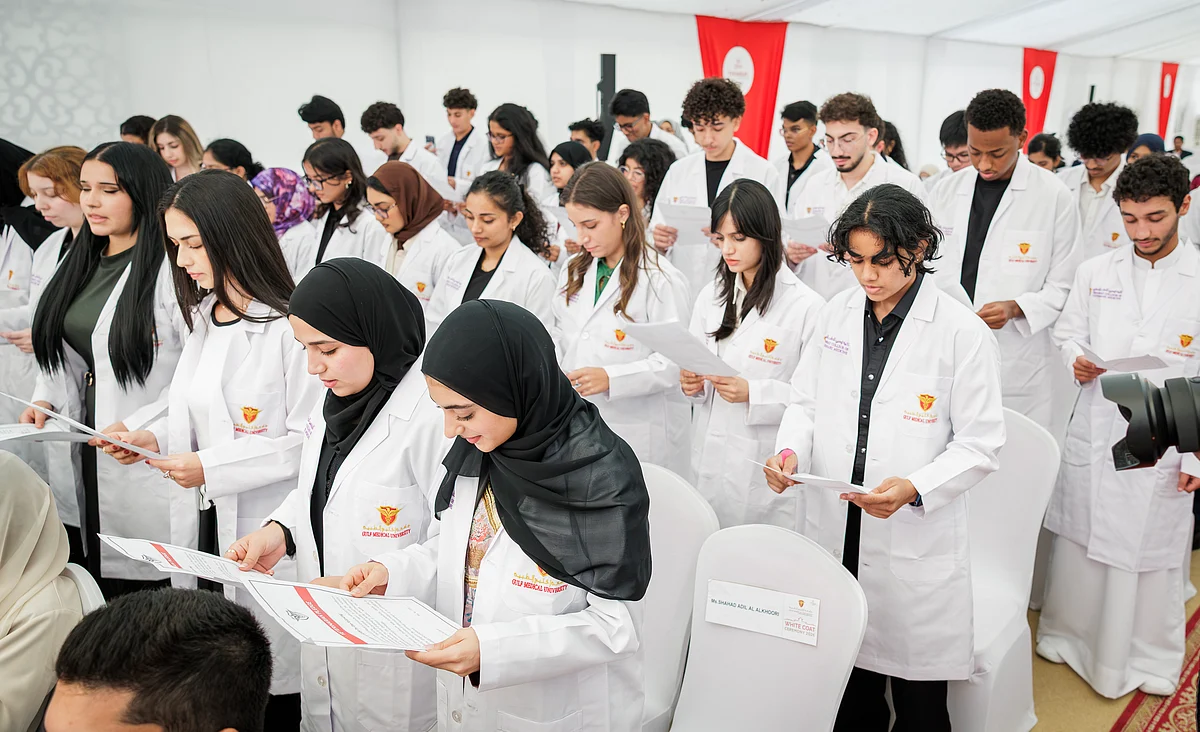
In the United Arab Emirates, a new generation of locally trained veterinarians is being prepared to address various aspects of animal health, food safety, disease surveillance, wildlife conservation, and public health. This initiative began with the first white coat ceremony at the Thumbay College of Veterinary Medicine on September 23, 2022, when the inaugural class of 2026 Doctor of Veterinary Medicine students was introduced.
Professor Mohammad Khalifeh, the dean of the Thumbay College of Veterinary Medicine, emphasized that veterinarians play a crucial role in detecting early warning signs of emerging infectious diseases, as most new infectious diseases in people originate in animals. The locally trained vets possess specialized knowledge of the UAE's animal population, farming practices, markets, and environmental conditions, allowing them to recognize disease threats before they escalate into public health crises.
The programme aims to promote collaboration among various health professions, such as doctors, pharmacists, and laboratory scientists, by educating veterinary students on the same campus. This integrated approach prepares graduates to recognize warning signs early and respond swiftly, fostering a stronger, interconnected health infrastructure.
Veterinary care significantly impacts overall community welfare. By teaching owners and farmers, as well as identifying neglect or disease, vets elevate the standard of care for animals and nearby humans. Preventive measures such as vaccinations, parasite control, responsible breeding, and humane handling contribute to animal welfare and safety, ensuring a healthier environment for families and the wider community.
The veterinary profession also plays a vital role in food security by inspecting meat and dairy products, maintaining livestock health, monitoring diseases affecting food-producing animals, and regulating antibiotic use to prevent drug resistance. Moreover, veterinarians contribute to disease surveillance, laboratories, border control, wildlife conservation, and research, making them essential in the UAE's diverse animal population, livestock industry, pet sector, and wildlife preservation efforts.
With a five-year Doctor of Veterinary Medicine programme encompassing 170 credits and 1,980 clinical contact hours, the curriculum covers companion animals, production animals, equines, camels, diagnostic and public health practices. This comprehensive approach ensures students are well-equipped to handle various animals and professional settings across the UAE.
The programme also addresses local needs by focusing on shelter medicine, rehabilitation, behavior, and exotic and wildlife care, recognizing the growing demand for these specialized services.
The new generation of veterinarians is expected to prioritize animal welfare and rescue medicine as professional specialties, ensuring that animals in need receive the highest quality care. The first veterinary cohort marked a significant step in developing a locally trained workforce, setting a precedent for future generations to uphold.
Written by urgent.news from Gulf News's reporting — not their text. Machine-written — may contain errors; check the original before relying on it.