How the War is Changing the Geography of Iran’s Influence
Iran remains under enormous military and economic pressure, but its setbacks in its traditional centers of influence have not ended its ability to impose costs elsewhere.
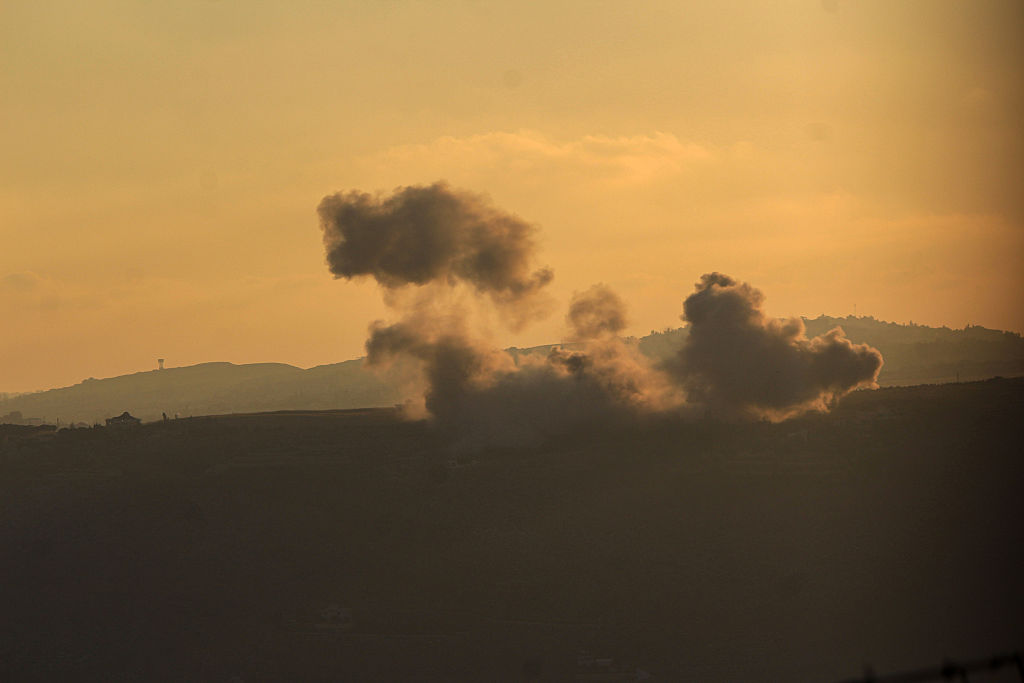
The conflict in the Middle East is altering the geographical reach of Iran's influence, while simultaneously providing new opportunities for Tehran in other areas. On June 12, 2026, Israel launched strikes on Ali al-Tahir hill in southern Lebanon, destroying Hezbollah's underground command center and weapons stores. This weakened Iran's most significant regional ally and dealt a significant blow to Iran's regional network, as the group lost senior commanders and a substantial portion of its arsenal.
In Yemen, the Houthis have seized territory along the Red Sea coast, bringing them closer to controlling the approaches to Bab al-Mandab, the gateway connecting the Red Sea to the Gulf of Aden. This shift in power has allowed Tehran to gain leverage over a strategic waterway. Iran's attempts to control passage through the Strait of Hormuz are part of its strategy to maintain regional dominance.
However, the loss of key allies and resources has weakened Iran's ability to maintain its influence in traditional areas. Despite these setbacks, Iran remains under significant military and economic pressure, but has managed to find new sources of leverage. The Houthis' expansion in the Red Sea and Iran-aligned armed groups in Iraq provide Tehran with new opportunities to exert control over critical trade routes.
While Iran faces immense pressure, its setbacks in traditional centers of influence have not diminished its ability to impose costs elsewhere.
Written by urgent.news from Time's reporting — not their text. Machine-written — may contain errors; check the original before relying on it.