How the UAE is rethinking the work-life balance
The working week can often seem like a permanent feature of modern life. Hundreds of millions of people construct their daily commute, their childcare arrangements and their social lives around the basic idea of five days on, two days off. Yet the history of employment shows that this convention is anything but fixed. It was only with the advent of the Industrial Revolution that working hours…

The conventional work week has often been viewed as a permanent fixture in modern life, with people structuring their lives around the typical five-day work week and two-day weekend. However, the history of employment demonstrates that this arrangement is not set in stone. The Industrial Revolution introduced clock-based working hours, a shift previously unknown in agricultural societies where work was closely tied to the seasons and leisure was often linked to religious festivals.
Henry Ford, a prominent industrialist, embraced the five-day work model for his factory workers and office staff in the US in 1926. Despite different approaches, Middle Eastern societies have grappled with the challenge of balancing productivity and quality of life. In recent times, the United Arab Emirates (UAE) has emerged as a country to watch in this regard.
A study led by academics from Zayed University revealed that employees who worked a four-and-a-half-day week reported feeling more motivated (70.9%) and enjoyed a better work-life balance (73.6%) compared to those on a conventional five-day week. While 87.5% of the surveyed employees preferred the shorter week arrangement, 37% admitted that their days became more stressful as they tried to complete the same amount of work in less time. This suggests that a shorter week does not necessarily guarantee a better work week.
The UAE has recognized that to attract and retain both local and foreign talent, it must offer more than just competitive salaries. One such initiative includes flexible or shorter working weeks. Moreover, the UAE's evolving visa system aims to create a welcoming environment for long-term stay and living.
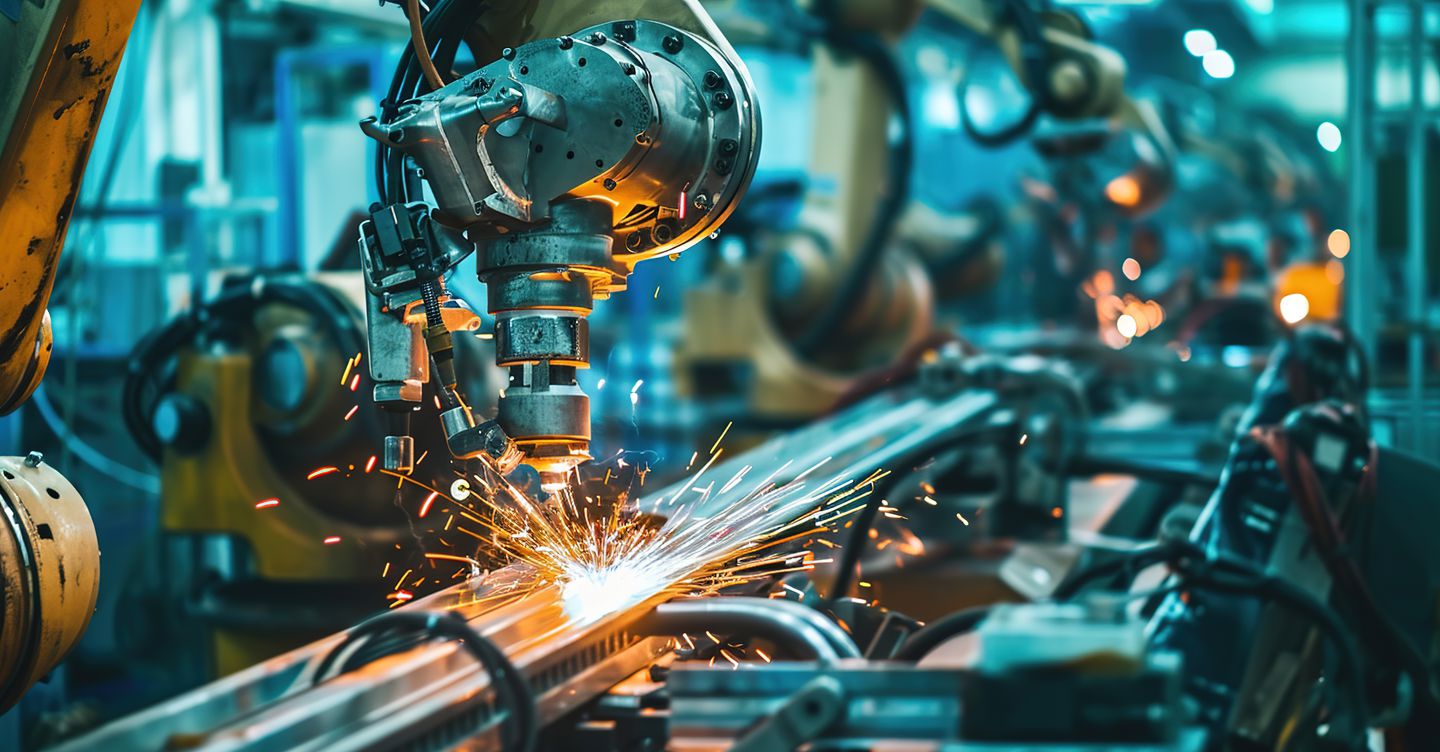
The advent of artificial intelligence is accelerating changes in employment and recruitment, automating tasks while raising questions about skills and employment. The UAE's experience indicates that technology can be of assistance when it helps people focus on higher-value work, rather than merely increasing the expected output.
With a strong emphasis on family life and social cohesion, the UAE is examining work beyond the mere number of hours spent at a desk. The focus is shifting towards the outcomes produced by those hours and the quality of life outside of work.
With its willingness to challenge established assumptions, the UAE is ideally positioned to create a work environment where flexibility leads to genuine improvements in both work and personal life.
Written by urgent.news from The National Business's reporting — not their text. Machine-written — may contain errors; check the original before relying on it.
This story
This is one outlet's version. Read the fullest account.
- How the UAE is rethinking the work-life balance thenationalnews.com