Urgent.News

What's breaking now, across thousands of outlets.

Business

Highways of the future

KUALA LUMPUR: Malaysia’s highway story dates back to March 1964, while toll collection was introduced two years later, in March 1966, on the Tanjung Malim-Slim River Highway, which, according to data from the Works Ministry, was the first highway in Malaysia and Asia.
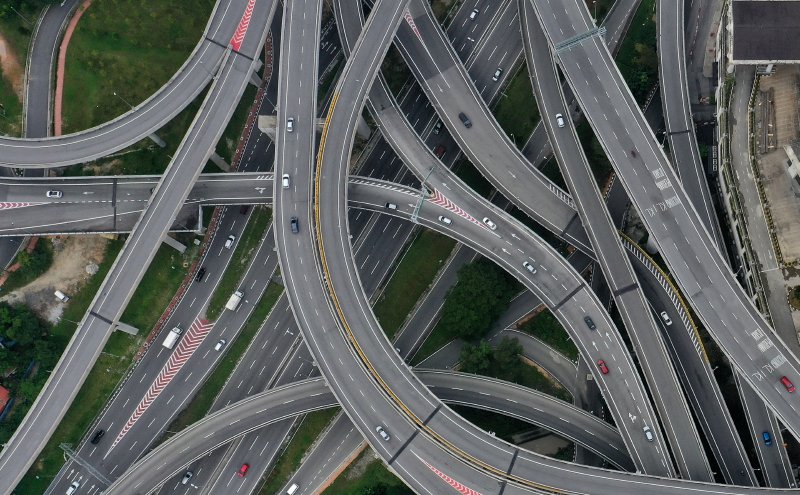
Highways of the future

Malaysia's highway evolution began in 1964, with tolls introduced on the Tanjung Malim-Slim River Highway two years later, marking the nation's inaugural controlled-access road. The Federal Highway, constructed in 1974 and completed in 1977, set the stage for rapid highway expansion, spurred by the North-South Expressway's completion in 1994.

Today, Malaysia boasts a 2,151-kilometre network spanning 34 routes, overseen by 28 concessionaires and operated by 28 entities. This vast network facilitates daily travel for millions of vehicles, connecting villages, towns, industrial areas, and destinations across Peninsular Malaysia, Sabah, and Sarawak. The government, through the Works Ministry and the Malaysian Highway Authority, remains committed to ensuring highway safety, comfort, and maintenance to support the country's economic growth and public well-being.

Written by urgent.news from New Straits Times's reporting — not their text. Machine-written — may contain errors; check the original before relying on it.


Read the original at nst.com.my →

More in Business

Hong Kong mustn’t miss the boat on the Pinglu Canal and Asean trade

The official opening of the Pinglu Canal on September 16 is a milestone in modern Chinese history. More than an infrastructural feat, it signals a strategic recalibration of how China’s inland economies connect with the sea and Southeast Asia, and augurs the next phase of regional growth.

Tokyo ranks 2nd globally for housing-bubble risk

GENEVA (Kyodo) -- Tokyo ranked second worldwide for housing-bubble risk behind the Swiss city of Zurich, with the cost to buy a 60-square-meter apartm

  • Tokyo ranks 2nd globally for housing-bubble risk, behind Zurich
  • 60-sq-meter apartment near city center costs 10 years of average skilled worker's income
  • Hong Kong identified as least affordable market surveyed

More from Tuesday 29 September →