Global Food Crisis Risk Rising As Fertiliser Shortages, Wars And Super El Niño Threaten Supplies: Jaishankar
External Affairs Minister S Jaishankar has cautioned that the world could face a major food crisis in the coming months due to disruptions in grain supplies, fertiliser shortages and the threat of a strong El Niño weather event. Speaking at an Asia Society event in New York, Jaishankar said ongoing conflicts in Ukraine and the Gulf had created severe challenges for developing economies,…
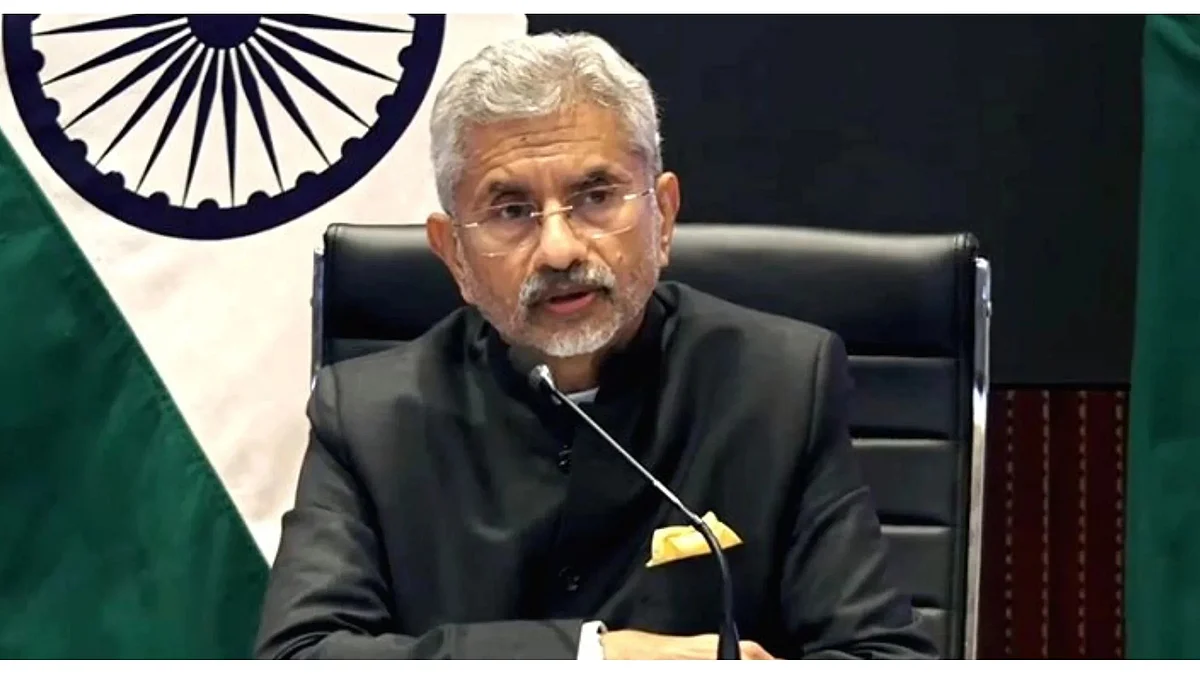
External Affairs Minister S Jaishankar has warned of an imminent global food crisis in the near future, citing disruptions in grain supplies, fertiliser shortages and the looming threat of a powerful El Niño weather event. At an Asia Society event in New York, Jaishankar highlighted ongoing conflicts in Ukraine and the Gulf, which have created significant challenges for developing nations, particularly in food and energy security.
He emphasized India's close monitoring of the energy situation, where markets remain under pressure. Jaishankar cautioned that attempts to politicize oil supplies could lead to higher prices at a time when global markets require stability.
Geopolitical tensions are not limited to energy markets; they are also extending to the grain-exporting sector. Several major exporters may struggle to maintain shipments due to geopolitical conflicts, while the scarcity of fertilisers is becoming a growing concern. The US-Iran conflict has disrupted shipping through the Strait of Hormuz, a critical route for global energy and fertiliser trade. This disruption has driven up costs for fertiliser, a crucial input for agriculture.
Climate risks further exacerbate global supply concerns. A Super El Niño, an unusually strong event, could alter rainfall patterns and impact crop production in major agricultural regions such as Southeast Asia, Australia, and South Asia. Reduced rainfall could adversely affect the output of rice, grains, sugar, and palm oil, raising concerns for countries reliant on imports.
India has already predicted below-average monsoon rainfall, and diminished output in key rice-exporting nations, like Thailand and Vietnam, could intensify supply pressures.
Analysts have warned that reduced fertiliser usage could negatively impact future harvests, potentially maintaining elevated food prices even if the Strait of Hormuz restrictions ease. The convergence of geopolitical conflicts, supply chain disruptions, and climate uncertainty has heightened concerns over global food availability and affordability.
Written by urgent.news from Free Press Journal's reporting — not their text. Machine-written — may contain errors; check the original before relying on it.