For 20 years, Kwanele Asante told health systems to listen to patients. Then the UN gave her the mic
South African lawyer and bioethicist Kwanele Asante transformed her personal health challenges with breast cancer and chronic illness into decades of fierce advocacy for people living with noncommunicable diseases and mental health conditions.
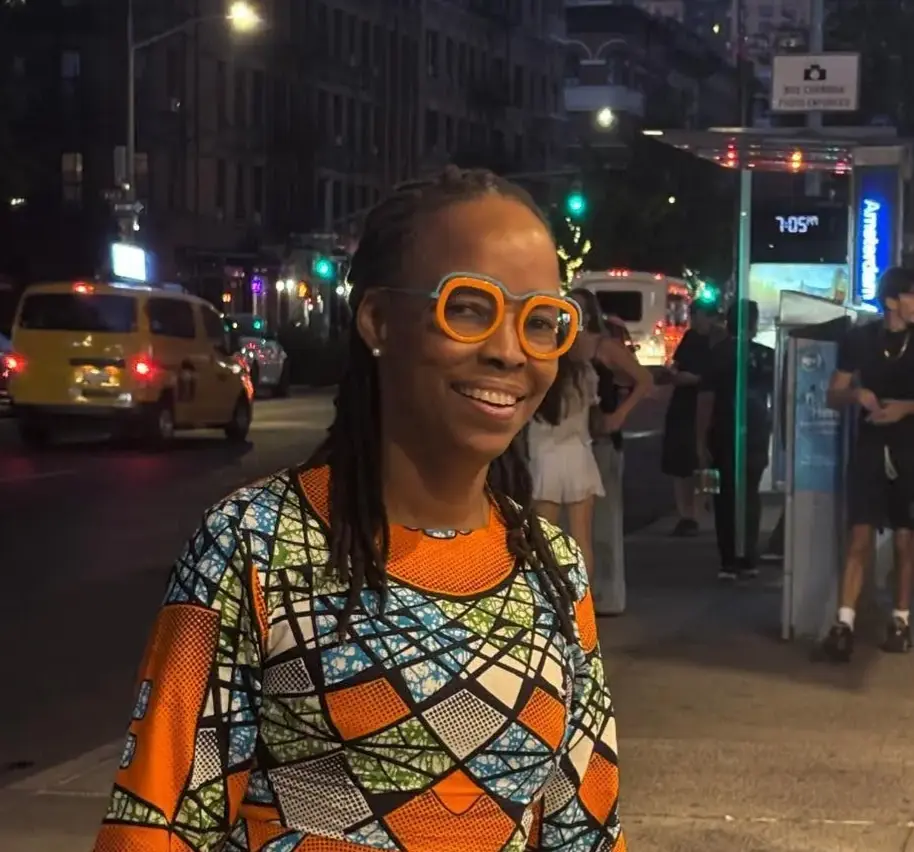
Kwanele Asante, a prominent South African activist for noncommunicable diseases (NCDs) and mental health, recently addressed the United Nations General Assembly regarding these issues. Born into a family of healthcare providers in Soweto, Asante faced numerous health challenges throughout her life. Her parents met in a TB sanatorium, and she and her brother were raised by their mother after their father left when she was five.
Asante's own health issues began with a breast cancer diagnosis at 37, which led her to become an activist and found BreastSens. She has since dealt with multiple illnesses, including chemotherapy-induced congestive heart failure, bipolar disorder, anxiety, and a functional neurological disorder. Despite these challenges, Asante has remained a powerful voice for those living with NCDs and mental health issues, rejecting the label "breast cancer survivor" to emphasize the interconnectedness of all her health experiences.
Written by urgent.news from Bhekisisa's reporting — not their text. Machine-written — may contain errors; check the original before relying on it.
This story
This is one outlet's version. Read the fullest account.