Flying Doesn’t Have to Be This Miserable
It starts with acknowledging that the airline industry is essential infrastructure, and that it should be regulated as such, writes Ganesh Sitaraman.
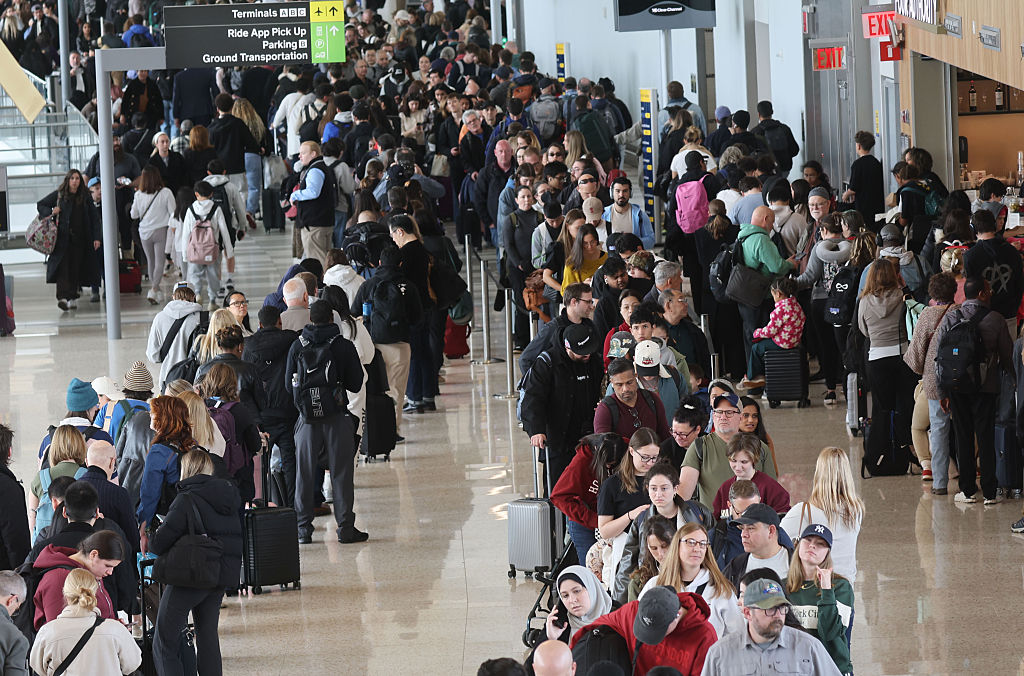
Flying has become an increasingly difficult and expensive experience for travelers. As the summer 2026 travel season concluded, high airline ticket prices continued to persist well beyond what was anticipated. Fuel costs drove up ticket prices by as much as 27% during the summer, but these exorbitant fares show no signs of decreasing.
The Points Guy estimates that fares will increase by 9 to 18% for the upcoming fall season, with Thanksgiving, Christmas, and New Year's Eve rapidly approaching. Even prior to the Iran conflict, which drove up oil prices, major U.S. airlines had already mastered the art of squeezing money from passengers.
Aerospace giants began charging for checked bags in 2008; by 2025, U.S. carriers had collected over $7 billion in bag fees alone. Additional charges for seat selection, such as window, aisle, or premium cabin seating, have become commonplace, even as seat space and legroom have diminished. Perhaps most concerning, air service in smaller cities and regional airports has deteriorated, leading to fewer airlines competing for fares and schedules, more flights with layovers, and higher prices on less-traveled routes.
The federal government played a significant role in shaping the current state of air travel. During the "golden age" of air travel, spanning the 1950s to 1970s, government regulation ensured a stable and reliable air transportation system, including service in both large and small communities. However, in 1978, the Airline Deregulation Act was passed, intending to introduce more competition and lower prices.
While the deregulation initially seemed to work for a few years, major airlines soon undercut smaller rivals, leading to financial crises and bankruptcies. In response, the large airlines consolidated, creating "fortress hubs" with limited competition.
Today, airlines employ dynamic pricing, changing fares frequently for passengers, and have "unbundled" their services, charging for every aspect of travel, from seats to boarding order. With advancing technology, the potential for AI-driven "personalized pricing" looms on the horizon. The good news is that a more reliable, resilient, competitive, and fair air travel system is achievable.
This requires recognizing the essential nature of air travel as infrastructure and regulating it accordingly. Communities need affordable fares and consistent service, which can be achieved through a "draft pick" system, similar to the NFL, ensuring airlines provide service to smaller cities. Implementing a "rainy day" fund for airlines, capping hub concentration, and investing in basic infrastructure such as air traffic control and airport facilities are also crucial steps toward a more resilient system.
Additionally, Congress could establish minimum seat sizes, ban personalized and dynamic pricing, and require transparent pricing. Flying has transformed our world, and we should strive to make it a more pleasant experience for everyone, without resorting to bailouts or crises.
Written by urgent.news from Time's reporting — not their text. Machine-written — may contain errors; check the original before relying on it.