Filiz Albrecht: „Ich halte nichts von Cowboy-Mentalität und autoritärer Führung“
Sie war die erste Vorständin bei Bosch. Seitdem weiß sie: Harte Entscheidungen können nötig sein, Härte gegenüber Menschen nicht. Heute zweifelt sie am Leistungsprinzip. Warum?
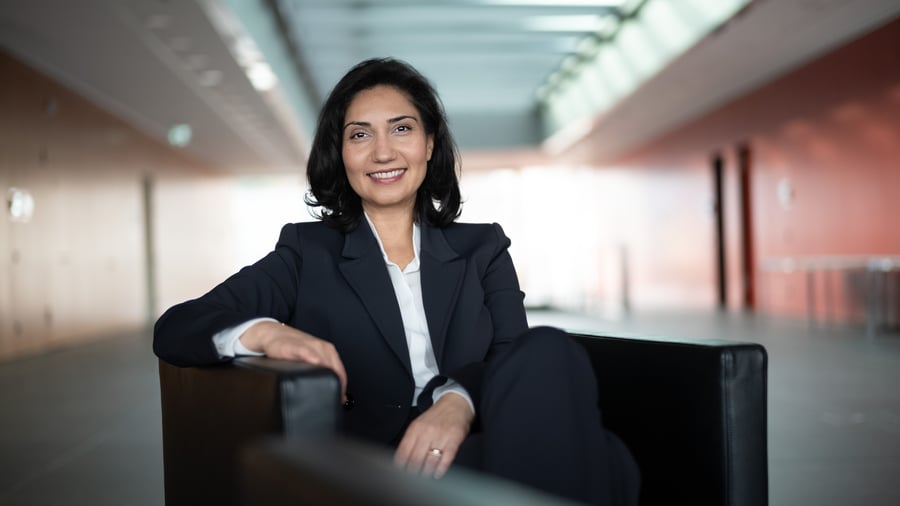
Filiz Albrecht, born in Balve and now residing in Gerlingen near Stuttgart, recounts her experiences as the first woman in the executive team at Bosch, the world's largest automotive supplier. After working for over two decades in automotive suppliers, Albrecht left Bosch in March 2023, nine months before her contract ended. She now works as a consultant and author, having penned her first book "Führung am Kipp-Punkt" in late September 2023.
Albrecht's career at Bosch was marked by crisis negotiations, downsizing efforts, and challenging negotiations. She would often work late into the night. After her departure, she traveled extensively across Europe and the USA, spent time with her family and in Turkey, and read the books she had accumulated during her professional years. Upon leaving Bosch, she returned to her home in Gerlingen, where she enjoys a morning coffee by the birdhouse in her garden.
Albrecht emphasizes that she does not subscribe to a cowboy mentality or authoritarian leadership. She believes that leadership should be earned through respect and democratic decision-making. She argues that hard decisions may be necessary for economic reasons, but this does not justify harsh treatment of individuals. Effective leaders must explain their decisions, communicate openly and honestly, and listen actively, rather than always being in a broadcasting mode.
Looking to the future, Albrecht believes that companies must increasingly question the disappearance of jobs, the need for people in various roles, and the required qualifications. She stresses that many jobs will disappear in the future, and companies, labor representatives, and government institutions must work more closely together to prepare for professional changes.
The state should facilitate retraining and review barriers to entry into other professions. Responsibility extends beyond the boundaries of individual companies. Albrecht credits her drive to take responsibility to her early upbringing, as the eldest of three siblings, and her parents, who migrated from Turkey to Germany.
Albrecht's early passion for leadership was evident even in her school days, when she was the class and student speaker. She later studied Economics at the Hochschule Gelsenkirchen and worked as a translator for the court and the criminal police. Her German-Turkish bilingual skills proved useful during her studies. After earning her MBA abroad, Albrecht's interest in the automotive industry was reignited.
Written by urgent.news from Handelsblatt's reporting — not their text. Machine-written — may contain errors; check the original before relying on it.