External pressure, fiscal risks weigh on rupiah
The rupiah has again breached a psychological threshold against the United States dollar as fading hope for a swift settlement of the Iran war pushes up global energy prices and inflation in Indonesia, triggering fresh capital outflows from Indonesia.
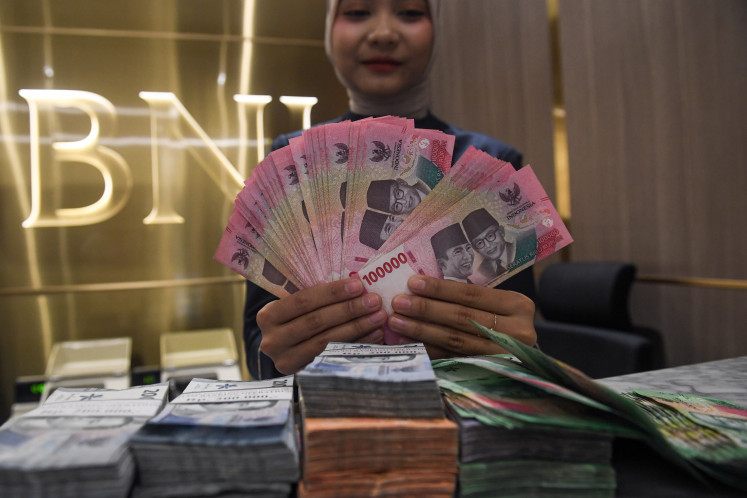
Indonesia's currency, the rupiah, has once again fallen below a significant psychological level against the US dollar. This drop is attributed to dwindling hopes for a rapid resolution to the Iran conflict, which is causing global energy costs to rise and inflation to surge in Indonesia. Consequently, there has been a surge of capital outflows from the country.
The rupiah traded below Rp 18,000 per dollar throughout Tuesday, before showing a slight recovery before the market closed, yet it remains approximately 1.6 percent lower than it was a month ago. Bank Indonesia's Erwin Gunawan Hutapea explained in a press release on Tuesday that the depreciation is "driven by ongoing concerns about global inflationary pressure and fiscal risks."
He highlighted that oil prices have surged past $108 per barrel, leading to elevated expectations of additional rate hikes by the US Federal Reserve. The possibility of a deal between the US and Iran, which might restore normal shipping through the Strait of Hormuz, remains uncertain. To combat the inflationary pressures stemming from higher energy prices, several central banks, including the Federal Reserve, have increased their interest rates.
The Fed recently raised its benchmark rate by 25 basis points, and the yield on the 10-year US Treasury has reached 5.23 percent, the highest level since 2007.
Written by urgent.news from The Jakarta Post's reporting — not their text. Machine-written — may contain errors; check the original before relying on it.