Europe paid $113.5 billion more for energy since the Iran war, and gained not one extra barrel
The closure of the Strait of Hormuz has driven up fuel costs and intensified calls for Europe to rely less on imported fossil fuels
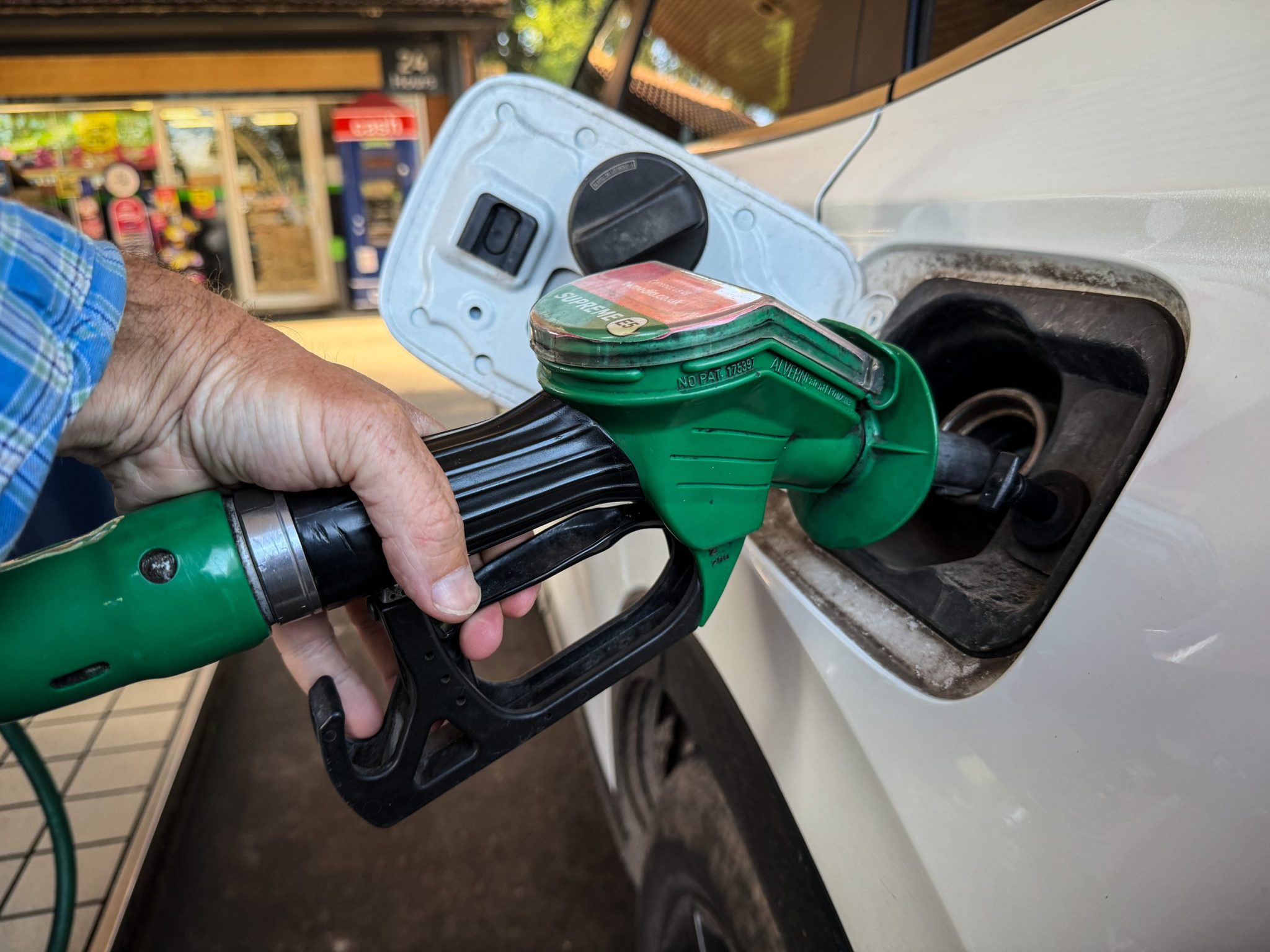
European Union nations have spent an additional 100 billion euros ($113.5 billion) on energy imports since the start of the Iran war, prompting politicians to explore alternatives to fossil fuels as prices surge. In some countries, consumers are paying nearly 50% more per gallon at the pump, equivalent to over $11, following the closure of the Strait of Hormuz, a vital waterway that once facilitated a fifth of the world's traded oil.
EU Energy Commissioner Dan Jørgensen warned of the seriousness of the situation during a meeting of energy ministers from the 27-nation bloc.
Despite the extra expenditure, the EU members have not received "one extra molecule of gas or oil." Jørgensen noted that ministers would discuss plans to speed up the transition from fossil fuels to electricity and expand electrical infrastructure across the bloc, which has become heavily reliant on U.S. energy imports since ending its dependence on Russia after the 2022 full-scale invasion of Ukraine.
Fatih Birol, executive director of the International Energy Agency, stated that Europe is one of the most, if not the most, exposed regions regarding diesel, as it imports a significant portion and is entering the harsh winter season.
About half of the EU's diesel supply comes directly from the U.S., and some Republican lawmakers in key U.S. states have called for a ban on diesel exports to boost domestic supply ahead of the crucial midterm elections. This has raised doubts about President Donald Trump's 2025 deal to sell $750 billion worth of energy to the EU.
Ireland's Climate, Energy, and Environment Minister Darragh O'Brien said a ban is "unlikely" due to the potential harm to economies on both sides of the Atlantic, but the EU must be cautious. Jørgensen sent a "very clear signal" to U.S. authorities to lift the ban and urged EU ministers to reduce the bloc's dependence on external energy sources whose supply can be volatile due to war and politics.
Jørgensen emphasized the need to move away from the dependency on fossil fuels imported from other countries, stating that Europe must replace these expensive, polluting molecules with domestically produced green energy, such as "homegrown energy: green electrons." Sari Multala, Finland's environment minister, highlighted her country as an example of energy independence, with nuclear reactors, turbines, peat bogs, and hydropower dams generating 95% of Finland's electricity, resulting in reasonable electricity prices.
The escalating concern over energy prices as winter approaches creates pressure on politicians to help citizens cope with the situation.
Written by urgent.news from Fortune's reporting — not their text. Machine-written — may contain errors; check the original before relying on it.