EU announces 5 steps to counter illegal migration and disinformation
The European Commission has prepared a five-point action plan to strengthen the management of the EU’s external borders, combat smuggling networks and accelerate procedures for returning irregular migrants.
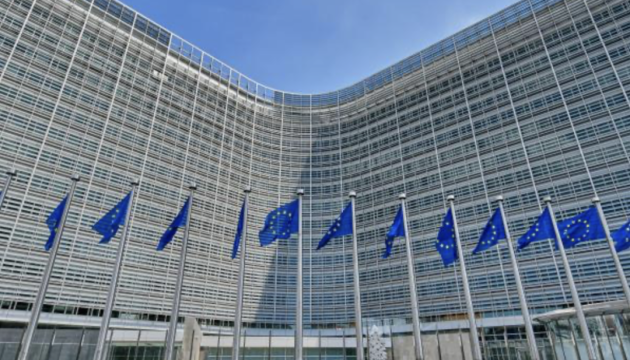
The European Union has unveiled a five-point strategy aimed at tackling illegal migration and combating disinformation. Key components of the plan include enhancing border and coast guard surveillance, bolstering efforts to counter misinformation, and strengthening measures against human trafficking rings. The European Border and Coast Guard Agency (Frontex) will see its mandate expanded to monitor social media and improve its response capabilities.
Member states are tasked with promptly sharing border changes with EUROSUR. To address the spread of fake news and disinformation that drive migration, special initiatives under the "GARRI" framework will be created. A flexible framework for implementing the Digital Services Act (DSA) is also being developed to engage with major online platforms, search engines, and partner nations.
The plan proposes swift adoption of a new sanctions regime against individuals involved in migrant smuggling. The European Parliament is urged to adopt a position on the updated Directive on combating unauthorized entry, transit, and residence, while Europol's mandate is to be expanded. Cooperation with online platforms, banks, and digital payment providers will be deepened to track illicit money transfers by illegal migration organizers.
The European Centre against Migrant Smuggling at Europol will receive a significant boost. The plan suggests leveraging trade, visa policy, and development aid to encourage countries of origin to repatriate their citizens. It also envisions fully digitizing return procedures for irregular migrants and increasing Frontex's role in these processes.
Coordination of the plan's implementation will be overseen by the European Commission, EU justice and home affairs agencies, and member states following the Council of the EU's October meeting. Additionally, the EU is contemplating setting target dates for finalizing accession negotiations with Montenegro, Ukraine, Moldova, and Albania.
Written by urgent.news from Ukrinform - Politics's reporting — not their text. Machine-written — may contain errors; check the original before relying on it.