‘Don’t just sit silent and expect a referral’ – Speaker urges Human Rights Committee to investigate abuses
The Speaker of Parliament, Alban Bagbin, has urged Parliament’s Human Rights Committee to proactively investigate reported human rights abuses rather than wait for formal referrals before taking action.
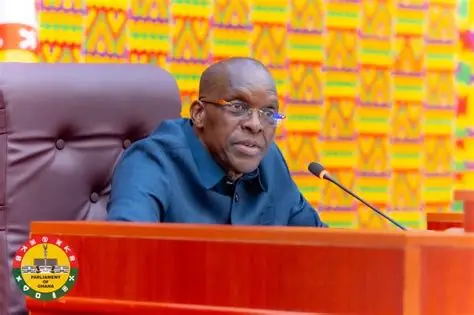
Speaker of Parliament Alban Bagbin has called on Parliament’s Human Rights Committee to take an active role in investigating human rights abuses, rather than waiting for formal referrals. Addressing an emergency session of Parliament on September 29, Bagbin emphasized the committee's authority to inquire into such matters and protect citizens' rights.
He urged the committee to use its power to investigate reported abuses, stating that it should not be left to others to make the referral. Bagbin highlighted that Parliament and its committees have a responsibility under the Standing Orders to actively engage with issues affecting public discourse, examining the adequacy of existing legal and institutional frameworks.
He stressed that the committee's role is not merely reactive but requires proactive engagement with relevant constitutional, regulatory, and civil society bodies. The Speaker urged the committee to ensure any measures to address abuses align with the Constitution and are proportionate to the conduct involved. Bagbin also called for the committee to protect citizens from unlawful conduct without criminalizing legitimate disagreement or criticism of public officials.
He emphasized the importance of preserving freedom of expression, which is crucial for democratic accountability. Furthermore, Bagbin encouraged Parliament to examine its own members' conduct while urging journalists, broadcasters, bloggers, content creators, and citizens to exercise responsibility in their public statements. He noted that Parliament's members, through their statements and actions, wield significant influence on public discourse, given the extensive coverage of parliamentary proceedings.
The Speaker reminded that the words spoken in the chamber and by committee members have far-reaching effects, as they are reported nationally and internationally through press conferences, interviews, public meetings, and social media engagements. Bagbin stressed that Parliament's members have a duty to consider the impact of their words and actions on public debate, recognizing that they are among those who shape national conversation.
His remarks come amid ongoing concerns about insults and broader standards of communication in public life, as Parliament considers how to balance accountability for unlawful conduct with the protection of freedom of expression.
Written by urgent.news from MyJoyOnline Ghana's reporting — not their text. Machine-written — may contain errors; check the original before relying on it.