Digital connectivity must translate into productivity – Oduwole
The Minister of Industry, Trade and Investment, Dr Jumoke Oduwole, has called for increased investment in digital infrastructure. She said connectivity must translate into productivity and tangible economic opportunities for Nigerians and businesses. Oduwole made the call on Tuesday in Abuja at the opening of the Nigeria Digital Connectivity Investment Forum, organised by the Nigerian…
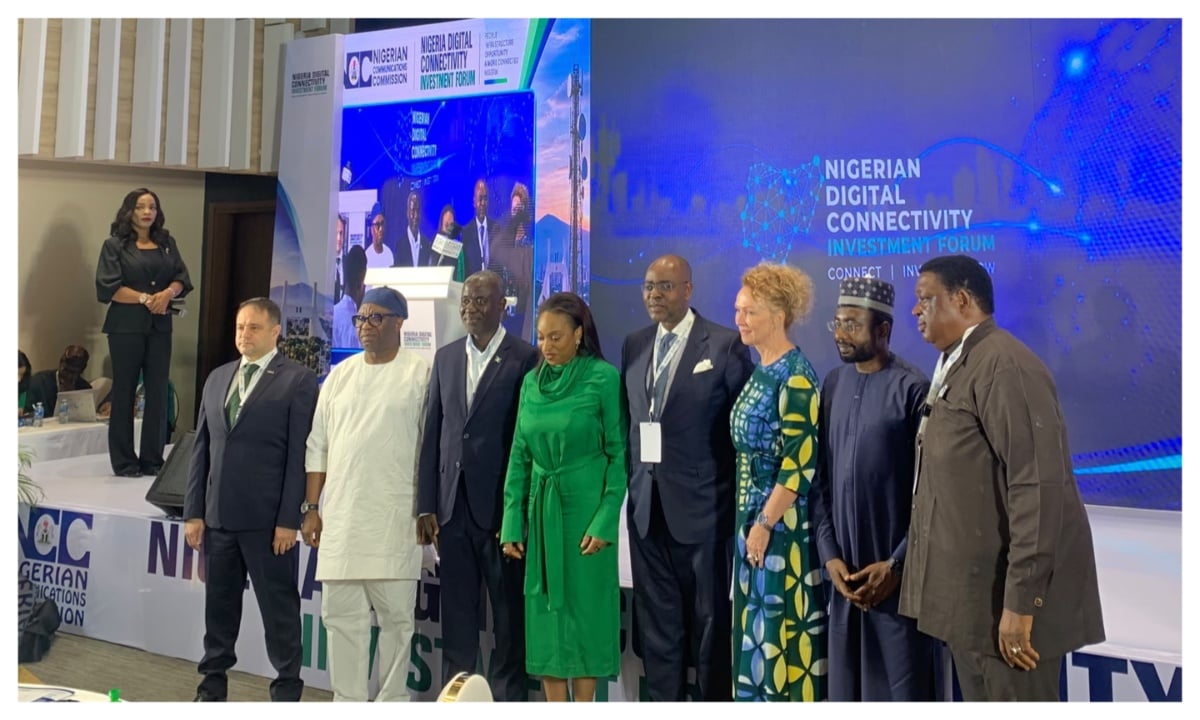
Dr Jumoke Oduwole, Nigeria's Minister of Industry, Trade and Investment, has urged for more investment in digital infrastructure, emphasizing that connectivity must lead to productivity and economic opportunities for Nigerians. Speaking at the Nigeria Digital Connectivity Investment Forum, Oduwole highlighted the importance of fibre networks, data centres, cloud infrastructure, digital platforms, electronic payments, and secure data systems as integral to the modern world of trade and commerce, alongside traditional transport routes.
She underscored the evolving nature of trade, citing examples of Nigerians already benefiting from digital advancements—such as software developers catering to international clients and fintech companies facilitating cross-border transactions.
Oduwole pointed out that Africa’s digital economy, valued at approximately $240 billion, has the potential to generate 13 million jobs by 2025. In Nigeria, telecommunications contribute more than nine percent to the GDP, and mobile broadband coverage has been linked to a reduction in extreme poverty among households by nearly seven percent over two years.
The surge in demand for digital services has spurred investments in data centres, with over 25 facilities currently operational or under construction in Nigeria. Global investments in data centres reached $500 billion in 2024, fueled by cloud computing, artificial intelligence, and the surging need for digital services.
However, Oduwole cautioned that infrastructure alone is insufficient without ensuring that businesses can leverage connectivity to tap into markets, conduct transactions, adhere to regulations, safeguard data, and operate across borders. She emphasized that connectivity must yield economic benefits, aligning with the objectives of the African Continental Free Trade Area (AfCFTA).
Nigeria, as a co-champion of the AfCFTA Protocol on Digital Trade, has taken steps to ratify the protocol, and the Federal Government has identified Nigerian digital service providers across various sectors to evaluate their export potential and challenges in accessing African markets.
Additionally, Nigeria participates in the African Digital Access and Public Infrastructure for Trade (ADAPT) initiative, alongside Kenya and Morocco, to enhance interoperability in digital identity, cross-border data exchange, and payment systems. For investors, Oduwole urged a comprehensive perspective on Nigeria's potential, beyond its sizable consumer market, as a platform for serving the broader African market.
This includes data centres, cloud services, fibre, broadband infrastructure, digital platforms, fintech, cybersecurity, artificial intelligence, digitally delivered services, and logistics. She advocated for enhanced policy predictability, regulatory coordination, and partnerships among government, the private sector, and development partners to foster sustainable investment in the digital sector.
Written by urgent.news from Daily Post Nigeria's reporting — not their text. Machine-written — may contain errors; check the original before relying on it.