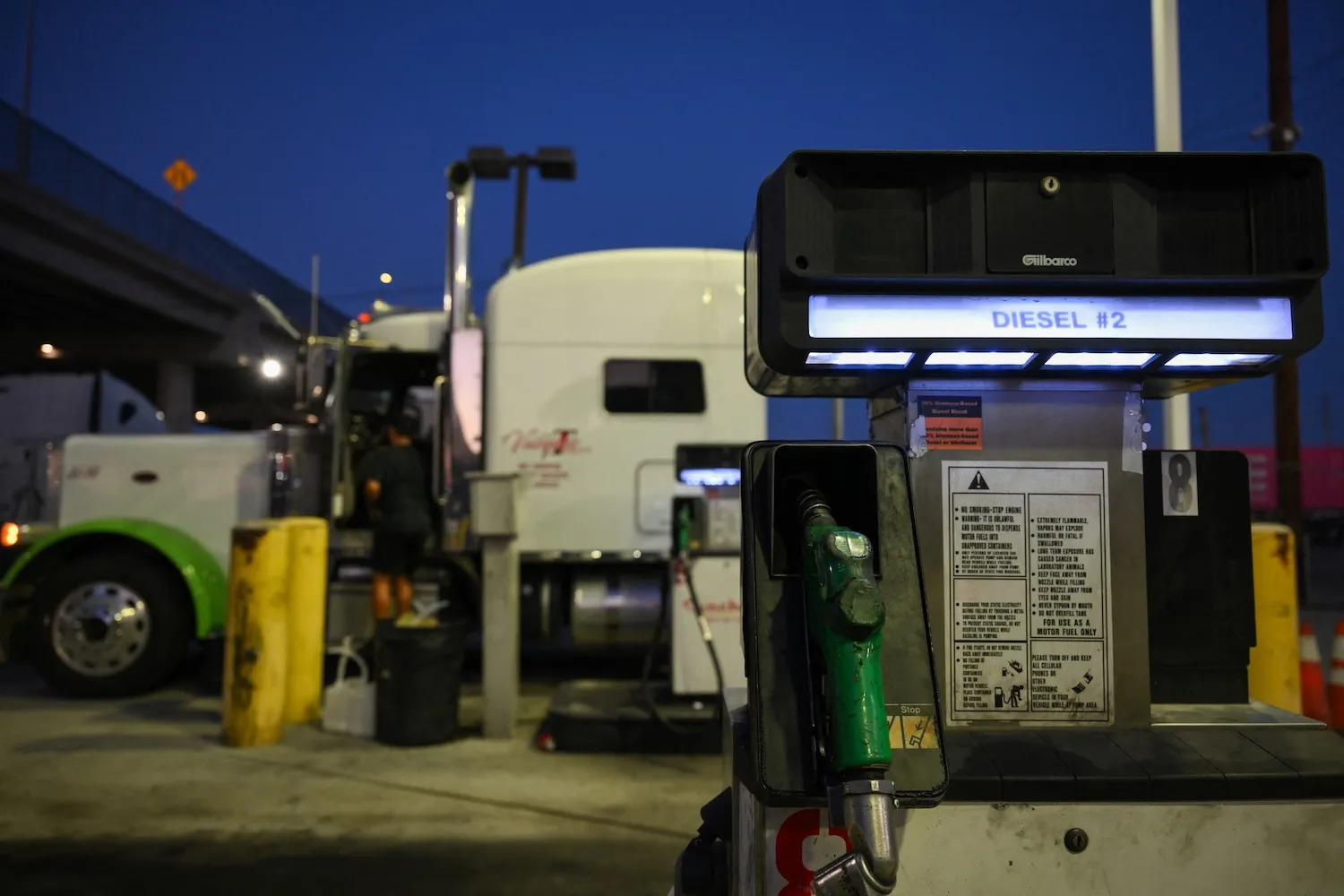
Diesel’s record run exposes the world’s refining bottleneck
President Trump says the White House is considering a ban on US diesel exports “very seriously”. This is a huge threat, but behind the threat sits a problem no export ban can solve: the world can’t refine enough fuel. A barrel of crude does nothing for a truck or a cargo ship until a refinery has processed it. Oil in the ground or on a tanker counts […] The article Diesel’s record run exposes the…

President Trump's administration is contemplating a ban on US diesel exports, a move seen as a significant threat. However, the underlying issue remains the world's inability to refine enough fuel. Crude oil in the ground or on a tanker holds little value if refineries are damaged, closed, or operating at full capacity. Despite Brent crude hovering near $95 a barrel since January, US diesel has reached an all-time high near $6 a gallon.
The refining system is under immense pressure as refined fuel has experienced a harder hit compared to crude supply disruptions. The IEA estimates Gulf crude export losses at nearly 45%, while refined product and LPG exports from the region remain 60% below February levels. Refining capacity has been affected by several factors, including damage in the Middle East and Russia, which has knocked about 10% of global capacity offline.
Nearly 3 million barrels a day of Gulf refining capacity has been shut down, and refiners elsewhere have reduced operations due to concerns about securing feedstock. Governments have further tightened restrictions, with Russia and China limiting fuel exports to protect their own markets. This has led to a decrease in global refinery throughput, with a 4.2 million barrels a day shortfall compared to last year.
While global oil inventories have covered the shortfall for now, the IEA describes the global refining system as stretched to its limits. Refiners' diesel margins have broken through $100 a barrel for the first time in August and set fresh records in September. The impact of diesel shortages is felt across various sectors, including transport, aviation, chemicals, and discretionary retail.
As energy inflation lags behind crude prices, central banks will find it more challenging to cut rates. Fuel-importing economies face added strain due to larger import bills and trade deficits. Diversification remains crucial in protecting portfolios from energy-driven inflation, as refiners carry significant risk.
Written by urgent.news from Arabian Post's reporting — not their text. Machine-written — may contain errors; check the original before relying on it.