Costa Rica’s Grynspan extends lead in race to become next UN chief
The UN Security Council held a fourth secret straw poll on Tuesday in the race to choose the next Secretary General , with Costa Rica's Rebeca Grynspan retaining her lead but still short of a clear consensus. UN diplomats told The National that Ms Grynspan led the latest poll with 10 “encourage” votes, three “discourage” votes and two “no opinion” votes. Guyana’s Carolyn Rodrigues-Birkett and…
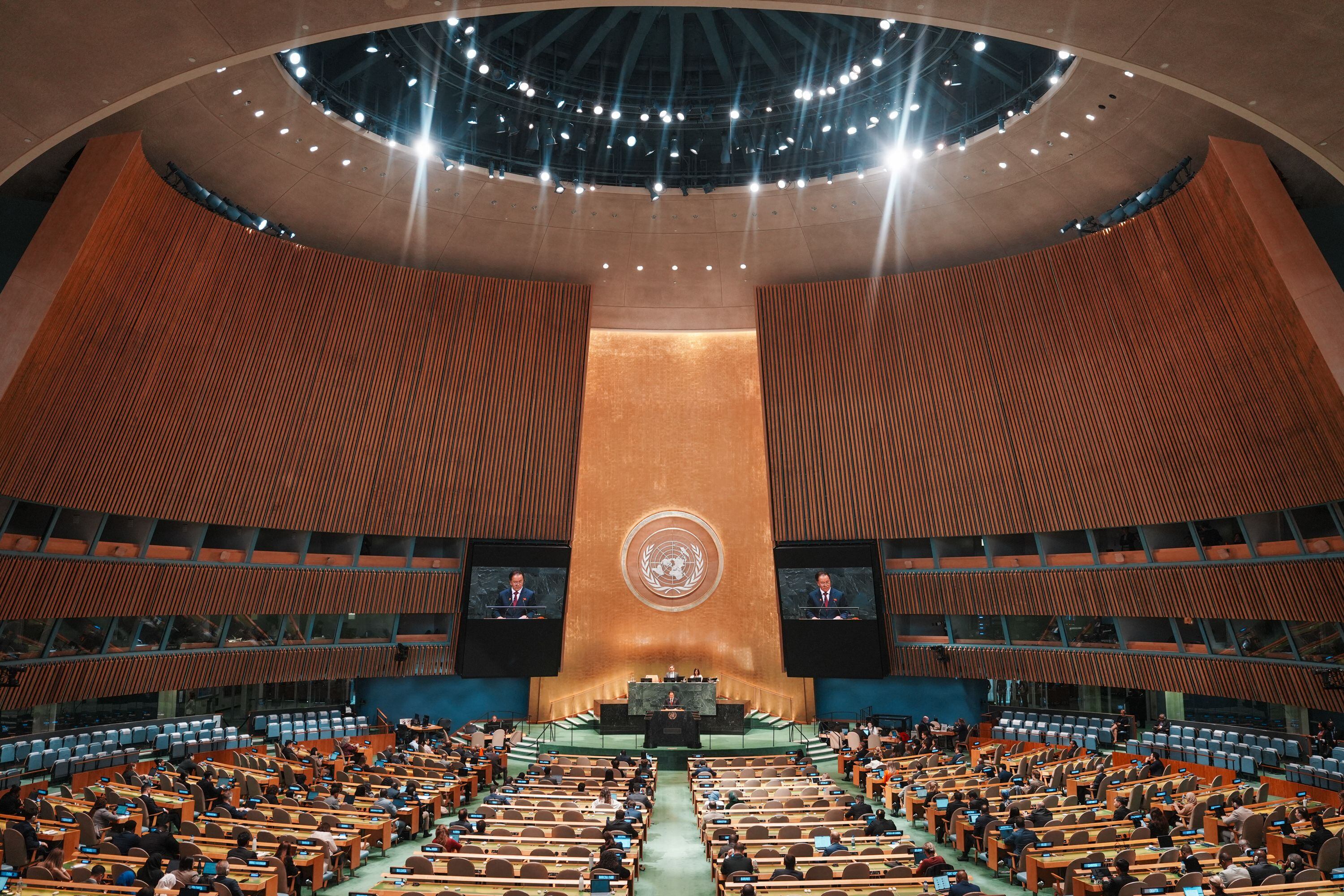
The United Nations Security Council has concluded a fourth secret straw poll in the race to appoint the next Secretary-General, with Costa Rica's Rebeca Grynspan retaining her lead but failing to secure a decisive consensus. Grynspan currently leads with 10 "encourage" votes, followed closely by Guyana's Carolyn Rodrigues-Birkett and Argentina's Rafael Grossi, each receiving eight "encourage" votes.
The four rounds of secret ballots have yet to produce a clear frontrunner to replace Antonio Guterres as Secretary-General. Grynspan, a former Costa Rican vice president and leader of the UN Conference on Trade and Development, entered Tuesday's vote with a narrow advantage over her rivals. While she has cleared the nine-vote threshold needed for the Council to recommend a candidate, the outcome may still hinge on whether any of her three "discourage" votes come from a permanent Security Council member.
Candidates facing potential obstacles include Rodrigues-Birkett, who has encountered resistance from Washington due to her close ties with China and her stance on Gaza, and Grossi, who must contend with Russian opposition and comments from Argentine President Javier Milei that could complicate his candidacy for Britain. The significance of this selection process is heightened this year, as the UN has never been led by a woman in its 81-year history, and several women are among the candidates vying for the position.
Experts argue that a technocratic candidate might be better equipped to challenge governments and take risks, rather than a high-profile political figure.
Written by urgent.news from The National UAE's reporting — not their text. Machine-written — may contain errors; check the original before relying on it.
Also reported by 4 other outlets
- UN chief race: Costa Rica's Rebeca Grynspan leads fourth Security Council straw poll thenationalnews.com
- UN Security Council extends mandate of anti-gang force in Haiti into 2027 cbc.ca
- Rebeca Grynspan pulls ahead in race to lead United Nations batimes.com.ar
- UN Security Council extends Haiti anti-gang force by 6 months freemalaysiatoday.com