Concern over how SA households will finance future emergencies
The Reserve Bank's latest Quarterly Bulletin reveals household spending rose 0.4%.
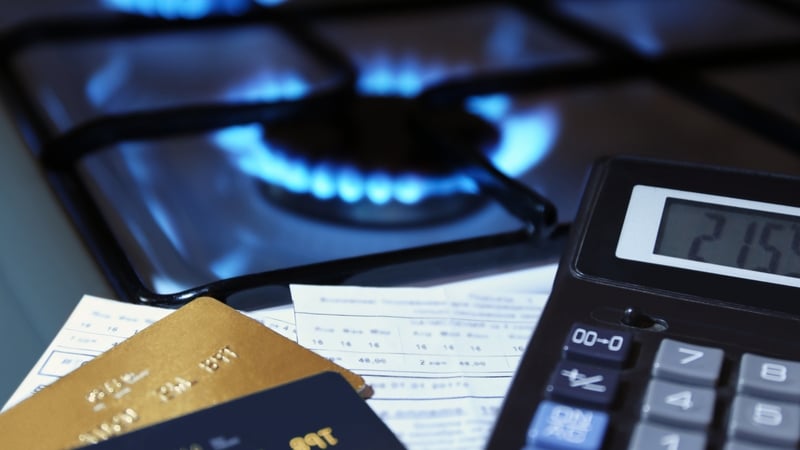
Recent reports have raised concerns about South African households' ability to finance future emergencies, as their savings rates declined in the second quarter of 2026. According to the South African Reserve Bank's latest Quarterly Bulletin, the national savings rate dropped from 14.9 percent in the first quarter to 10.8 percent in the second quarter. This decline in savings has sparked questions about the sustainability of household spending if the cost of living continues to rise.
The Reserve Bank's data shows that household spending grew by 0.4% in the second quarter, primarily driven by increased demand for durable goods and services. However, head of the economics statistics department, Michael Manamela, noted that this growth occurred on a flat base from the previous quarter. He explained that the improvement in income levels partially contributed to a decrease in household debt levels.
Yet, the more concerning aspect is the reduction in household savings rates, which Manamela highlighted as a worrying trend.
The economy remains vulnerable to geopolitical tensions, particularly the ongoing war between the United States and Iran, which has led to a surge in global oil prices. This price pressure on the economy, along with elevated inflation, still above the Reserve Bank's target of 3%, continues to pose challenges for South Africa's financial stability. Inflation stood at 4.4% in August, indicating that higher prices are straining the nation's economy.
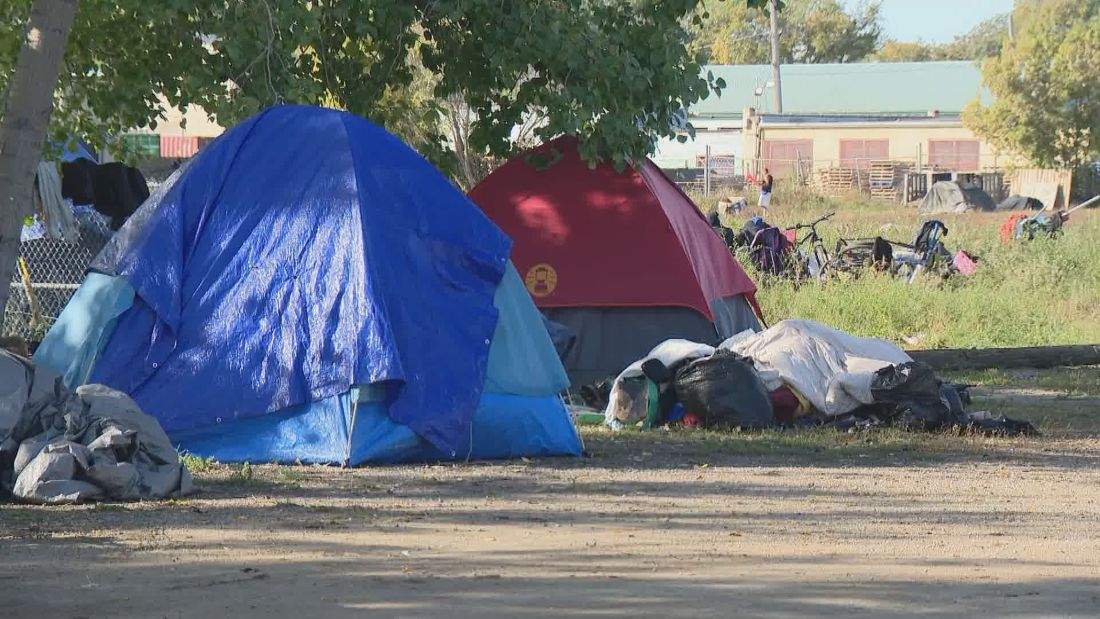
Furthermore, South Africa's high unemployment rate adds another layer of concern. The official unemployment rate climbed from 32.7% in the first quarter to 33.6% in the second quarter of 2026, exacerbating the economic challenges faced by households. While recent months have seen a slight slowdown in food prices, the risks remain elevated due to the country's economic vulnerabilities and the potential impact of El Niño on food costs.
Written by urgent.news from SABC News's reporting — not their text. Machine-written — may contain errors; check the original before relying on it.