Close the observability gap with agentic observability
SPONSORED POST: How agentic AI, real-time visibility, and stronger governance can help enterprises protect critical services and manage increasingly complex IT environments.
When a critical application experiences failure, IT teams face the challenge of identifying the root cause, often without a clear understanding of responsibility. In complex enterprise environments, various teams rely on separate legacy monitoring tools, each providing only partial visibility. As organizations increasingly adopt AI, hybrid infrastructure, and sovereign cloud environments, the need for effective observability becomes more critical.
The systems supporting key services are becoming more interconnected, while the demand for resilience, operational efficiency, and governance grows. AI agents can assist with some operational tasks, yet they operate with the same limited perspective as human operators. A study by Virtana reveals a substantial observability gap between what executives believe they know about their IT infrastructure and what frontline teams experience.
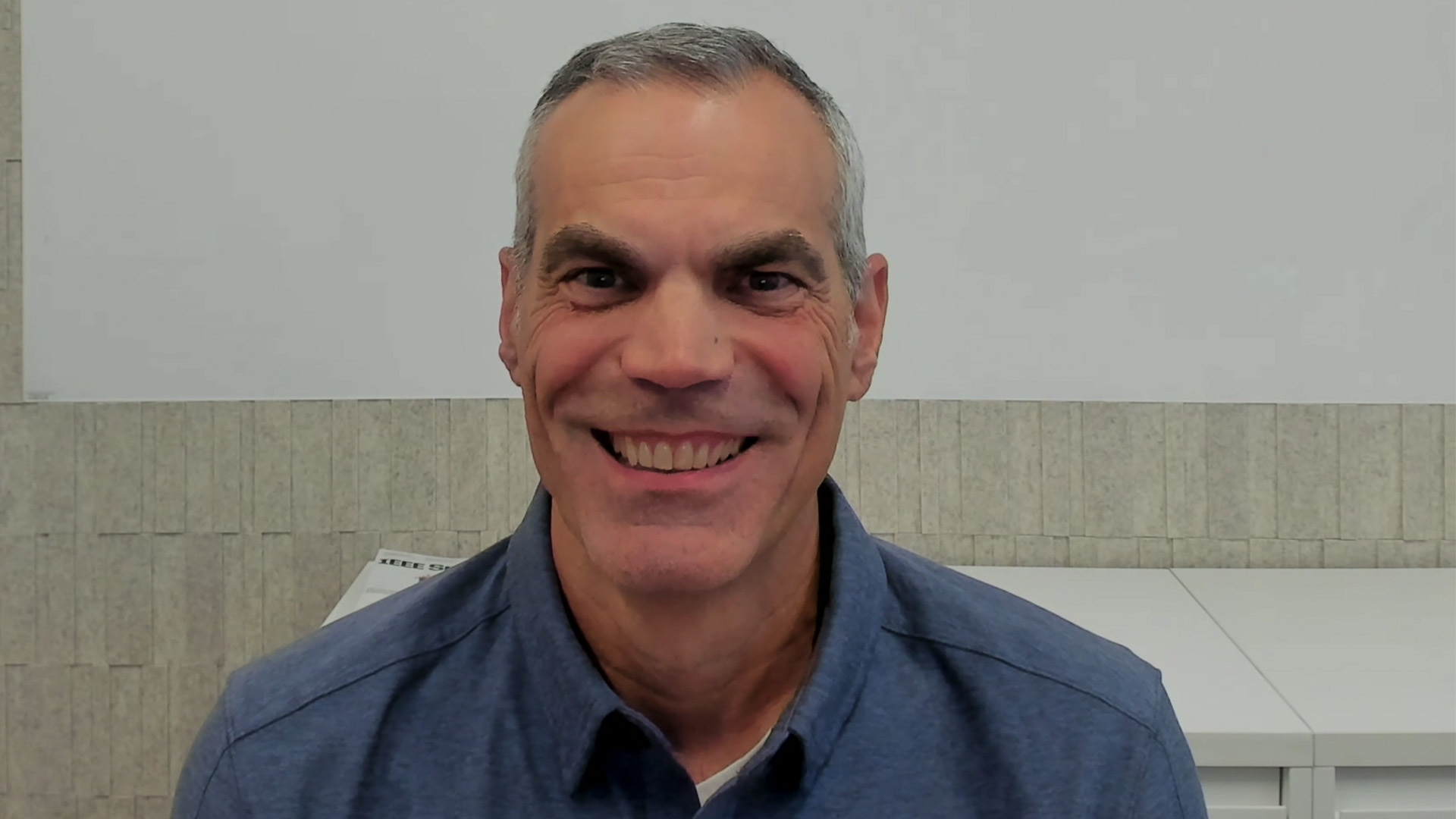
In a recent interview, The Register's Tim Phillips discussed this issue with Paul Appleby, CEO of Virtana. Appleby explained how legacy monitoring approaches can hinder IT teams' ability to differentiate incident causes from symptoms. Agentic observability, which correlates real-time telemetry across applications, cloud, infrastructure, networks, and AI systems, provides AI agents with the necessary context to accelerate root cause analysis and remediation.
The conversation also emphasized the growing importance of observability for data sovereignty and AI infrastructure. As businesses invest in AI factories and complex workloads, Appleby highlighted the importance of maintaining visibility across the technology stack, strengthening governance, and addressing operational risks before they disrupt critical services.
For IT leaders, the interview suggests moving beyond the traditional focus on assigning blame, towards faster resolution, preventative observability, and more resilient operations. It also raises a crucial question for executives: Is investment in governance and operational controls keeping pace with the increasing dependence on infrastructure and AI services?
Watch the full interview to learn how agentic observability can help enterprises close the observability gap and enhance their IT resilience.
Written by urgent.news from The Register's reporting — not their text. Machine-written — may contain errors; check the original before relying on it.
This story
This is one outlet's version. Read the fullest account.
- Close the observability gap with agentic observability theregister.com