Chinese brokerages get in line with Beijing’s crackdown on overseas stock trading
Some securities companies have begun to clean up non-compliant overseas stock trading by mainland Chinese investors following a regulatory crackdown that started months ago with fines on Tiger Brokers and Futu Securities International. Orient Securities’ mainland-based clients that have trading accounts in its Hong Kong unit will be banned from buying stocks and transferring in funds starting on…
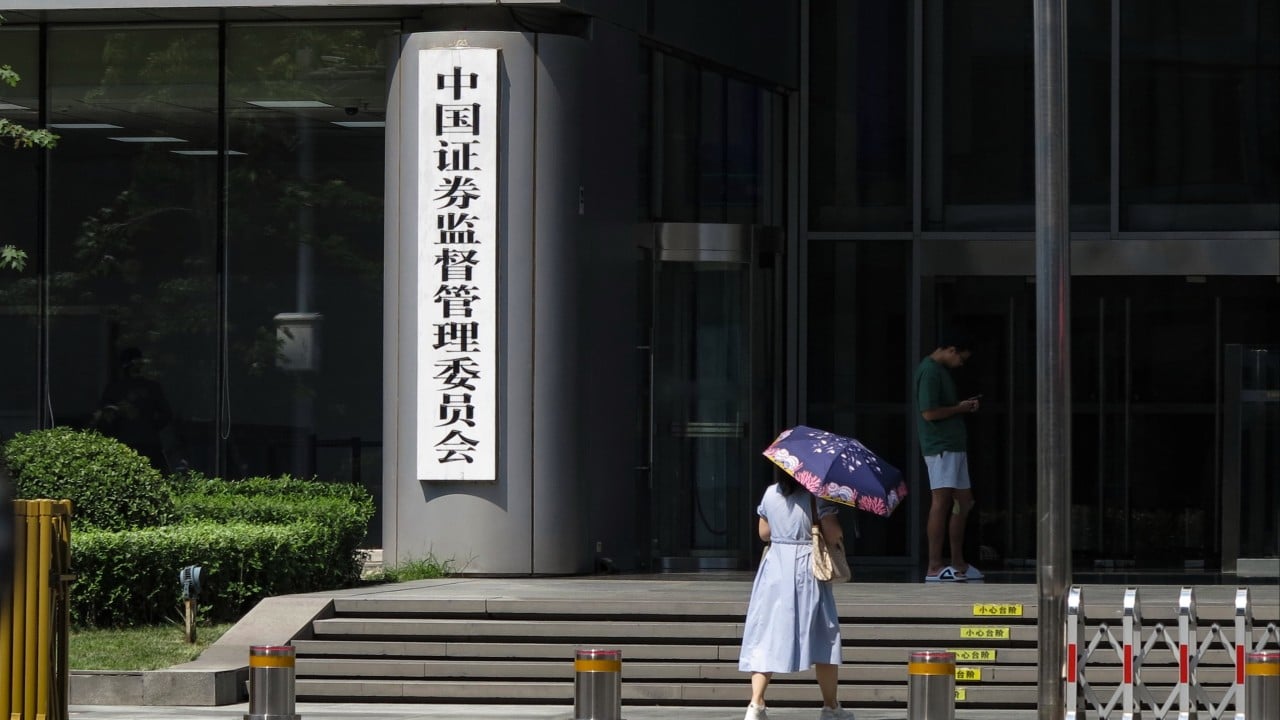
Chinese brokerage firms are aligning with Beijing's crackdown on overseas stock trading by mainland Chinese investors. Following fines imposed on Tiger Brokers and Futu Securities International, Orient Securities has banned mainland-based clients from purchasing stocks and transferring funds through their Hong Kong unit, effective Wednesday.
Guotai Junan International Holdings, a Shanghai-based subsidiary of Guotai Haitong Securities, announced a similar restriction on September 14, stating that onshore investors can no longer add stock holdings via overseas accounts starting this week. Regulators instructed offshore units to enforce these bans on buy orders and fund transfers for existing mainland clients, requiring onshore investors to confirm their location outside mainland China via phone.
This move underscores Beijing's intensified efforts to control capital outflows, which they perceive as increasing financial risks for China. The China Securities Regulatory Commission penalized Tiger, Futu, and Long Bridge Securities in May for offering access to foreign securities without government licenses. Beijing's campaign aims to close a loophole that enabled investors to circumvent restrictions on investing overseas.
Currently, China's capital account remains largely unliberalized, with outbound investments restricted. Onshore investors can access overseas securities solely through the Stock Connect program with the Hong Kong stock exchange and the Qualified Domestic Institutional Investor (QDII) scheme, both subjected to quota limitations. Orient Securities' Hong Kong unit explained the action as compliance with new regulations and standardizing business development.
Written by urgent.news from SCMP Business's reporting — not their text. Machine-written — may contain errors; check the original before relying on it.