China’s generative AI user base crosses 700 million, covering over half the population
China’s generative artificial intelligence user base surpassed 700 million at the end of June, accounting for more than half of the population as wide AI adoption pushes the technology’s penetration rate to a record high in the country. The user base data, released Tuesday by the China Internet Network Information Centre, represents an increase of 16 per cent from the end of 2025, when China had…
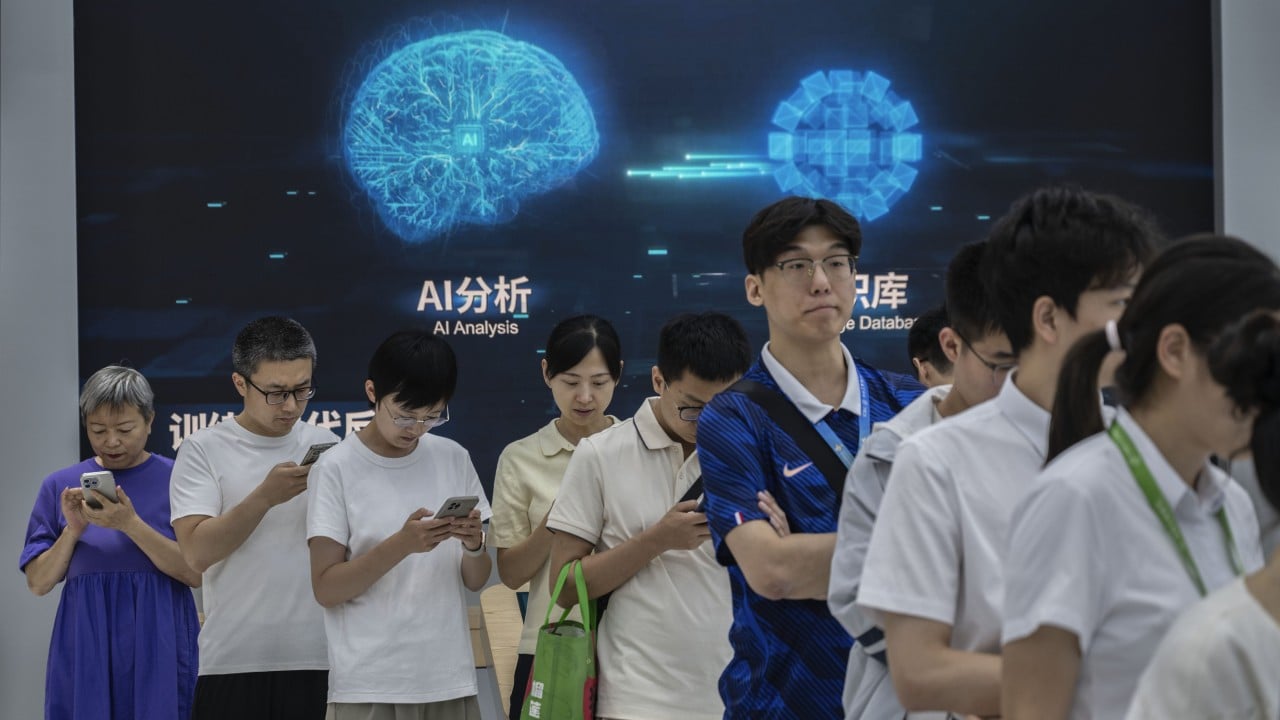
China's generative AI user base surpassed the 700 million mark by the end of June, encompassing more than half of the nation's population, according to the China Internet Network Information Centre. The user base, released on Tuesday, marked a 16% increase compared to the end of 2025 when China had 602 million generative AI users with a penetration rate of 42.8%.
Question-and-answer services were the most common application of generative AI in China, with 76% of users utilizing the technology to seek answers. A significant portion of users, 48%, employed AI tools to process images or videos, while 38% used it for text processing and 33% for work summaries, meeting notes, or presentations.
The report highlighted that AI adoption had expanded beyond software, with 39% of users purchasing smart hardware online in the past six months. Chinese AI labs have also advanced their technologies, launching trillion-parameter open-weight models this year from domestic giants such as DeepSeek and Moonshot AI. The digital infrastructure supporting AI computation surged by 177% to 2,185 eflops by the end of June, with eflops being a unit for measuring the speed of a computer system.
This rapid expansion in AI adoption in China surpassed that of the United States, with 80% of Chinese respondents using AI for personal purposes at least once a week, compared to 54% in the US. The bank attributed China's advantage to the integration of AI into widely used platforms for shopping, messaging, search, and entertainment, rather than superior model performance.
Written by urgent.news from South China Morning Post's reporting — not their text. Machine-written — may contain errors; check the original before relying on it.