Can You Fantasize Your Way to a Better Life?
Gillian Anderson wants to show that women can learn from simply imagining.
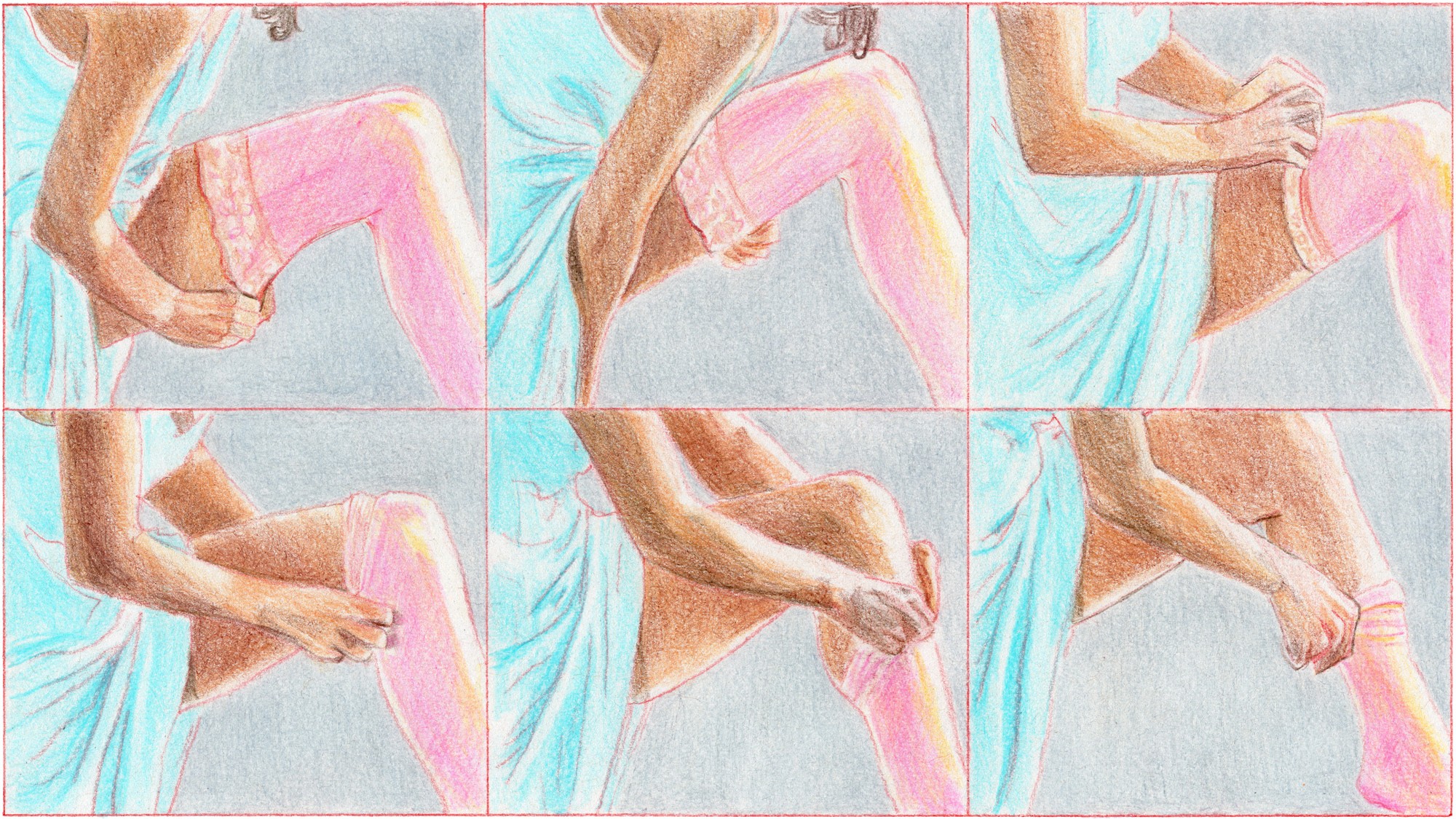
Gillian Anderson, a renowned actress, has taken on the role of a sex advocate through her work on shows like Sex Education and films like Teenage Sex and Death at Camp Miasma. She recently released two books, Want and More, which explore women's sexual fantasies. Anderson argues that these fantasies can serve a purpose beyond the erotic, helping women become more self-aware and advocate for their desires in various aspects of their lives.
The idea that women can be as sexually driven as men was once radical, but has become more accepted in recent years. By sharing their fantasies, women can gain insights about themselves, their relationships, and their careers. While some fantasies are classic, others are more imaginative and thought-provoking. The most interesting parts of More are not the dirtiest, but the moments of reflection where women examine their deeper selves through their fantasies.
Sexual fantasies are influenced by physiological, psychological, and social factors. For example, women tend to fantasize more during ovulation and less after menopause, extroverts fantasize about social situations, and a person's historical context can sway their daydreams. However, many women fantasize about more than just sex, often yearning for things they lack in their daily lives.
The letters in More reveal a diverse range of desires and struggles, from expressing emotions to challenging societal norms. While many women fantasize about something they would like to act on, only a small percentage actually do. Nonetheless, sharing fantasies with partners can improve relationships and increase orgasm consistency for women.
By gaining awareness and taking action, women can harness the power of fantasy to bring about tangible life changes.
Written by urgent.news from The Atlantic's reporting — not their text. Machine-written — may contain errors; check the original before relying on it.