Australia’s central bank raises cash rate to 15-year peak
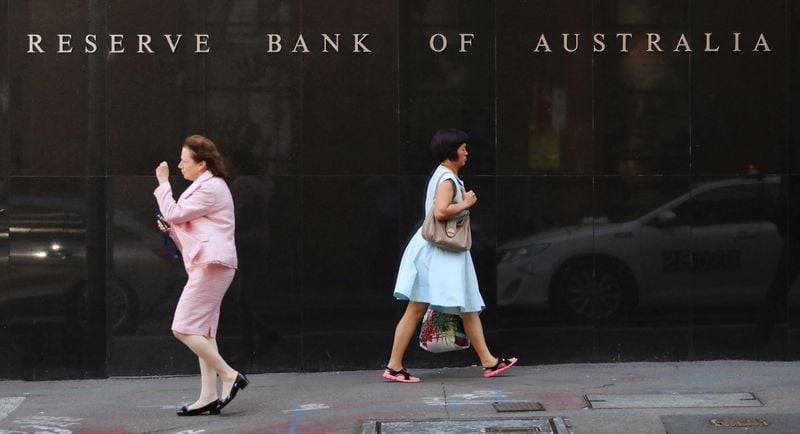
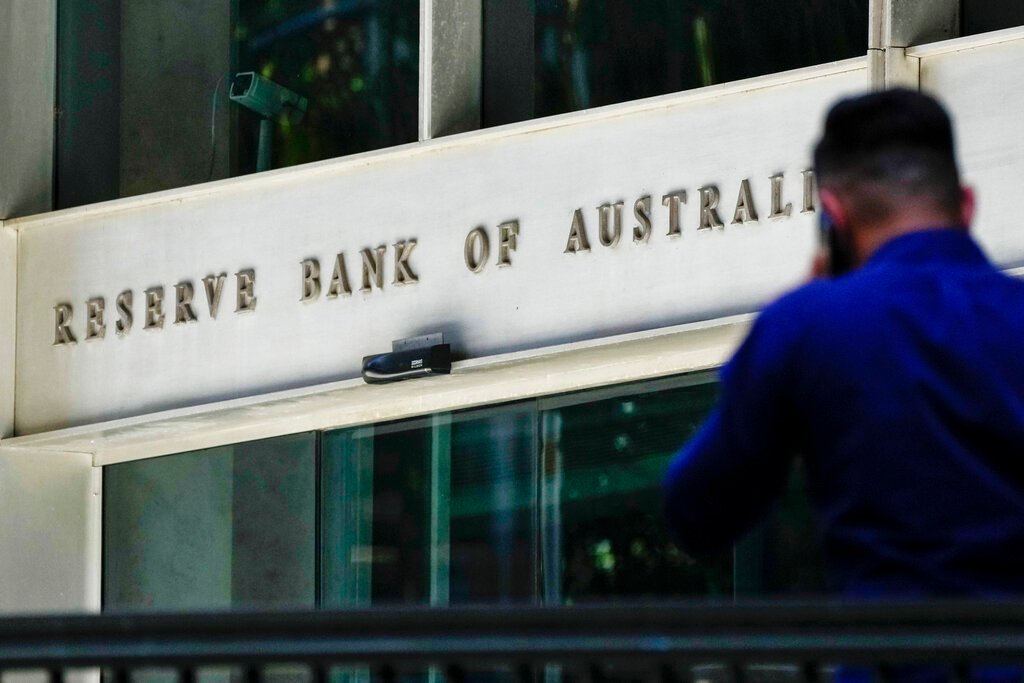
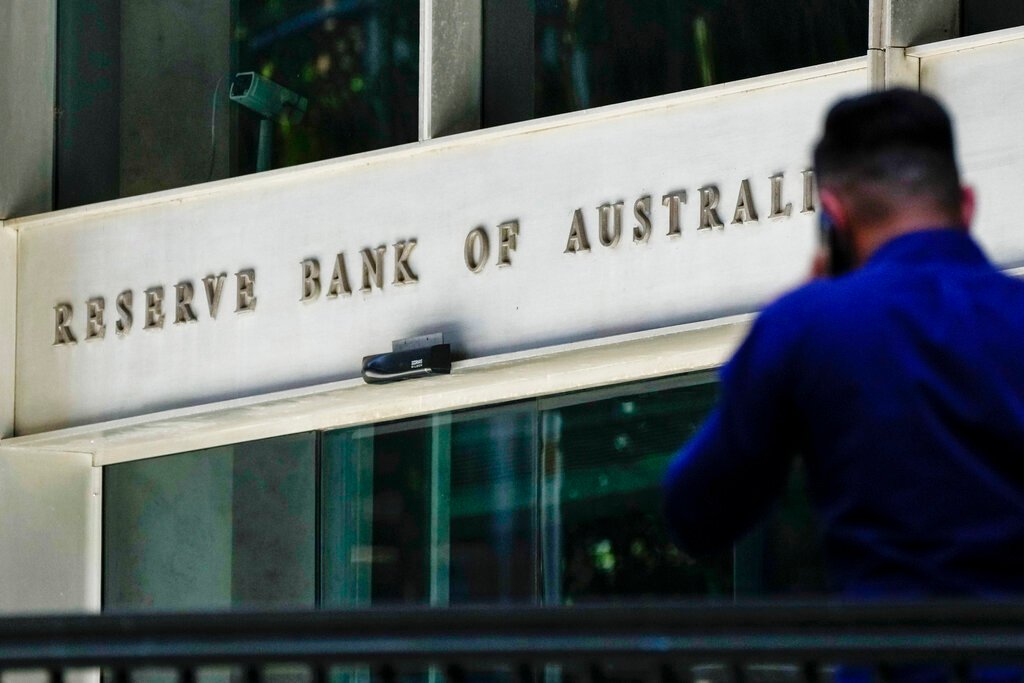
The Reserve Bank of Australia (RBA) increased its key interest rate to 4.60%, the highest level in 15 years, on September 29 in its fourth rate hike of 2026. The central bank stated that inflation was too high and it was prepared to raise rates further if necessary. The decision was widely anticipated, with the Australian dollar little changed at 70.14 US cents after a brief temporary increase. Markets now anticipate a 43% chance of another rate increase in November following the latest move.
RBA governor Philip Lowe explained that stronger-than-expected inflation and activity data made it increasingly challenging for the bank to have confidence in a gradual reduction of inflation to its target. Adam Bowe, head of Australia portfolio management at PIMCO, noted that while the bank has kept the door open to further tightening, the trade-off between growth and inflation will become more difficult in the future.
During its September policy meeting, the RBA board unanimously voted to raise rates by 25 basis points, bringing the total tightening in 2026 to a full percentage point. The board acknowledged that some upside risks to inflation were materializing, citing disruptions in global oil supply and recent data indicating that growth and inflation in Australia had been higher than expected.
The RBA emphasized that it would continue to take measures necessary to bring inflation sustainably back to target, including further increases in the cash rate target if needed. Brent crude oil prices surged nearly 20% since the RBA's last meeting in August, contributing to broader price pressures. Rising fuel costs pushed headline inflation to 4.1% in August, well above the RBA's target range of 2% to 3%, while underlying inflation remained sticky at 3.6%.
Data from September 30 is expected to show that increasing domestic demand, driven by a data center investment boom estimated at A$175 billion, has added to inflationary pressures. The RBA's 100 basis points of tightening in 2026 has more than reversed the 75 basis points of policy easing from 2025, placing Australia ahead of many developed nations.
The US Federal Reserve raised rates for the first time in over three years in September, while the European Central Bank increased rates twice in 2026. Despite economic slowdown due to higher borrowing costs, Australia's economy still grew by 2.1% annually in the second quarter, exceeding the 2% pace the central bank deems sustainable without generating inflation.
However, household spending slowed in August, while the annual growth rate remained robust at 6.8%. The RBA reported that the labor market was gradually easing, but was still deemed tight, with employment growth exceeding expectations and the unemployment rate rising slightly to 4.6% due to more people entering the workforce.
Written by urgent.news from Straits Times Business's reporting — not their text. Machine-written — may contain errors; check the original before relying on it.
This story
This is one outlet's version. Read the fullest account.
- Australia's central bank lifts rates to 15-year high, signals risk of further hikes brecorder.com
- Australia’s central bank lifts rates to 15-year high, signals risk of further hikes straitstimes.com
- Australia’s central bank raises cash rate to 15-year peak businesstimes.com.sg
- Australia raises key interest rate to 15-year high news.rthk.hk
- Australia raises interest rates to 15-year high aljazeera.com