Astrophotography in October 2026: last call for shots the Milky Way as we welcome longer nights and see Saturn at its best
Everything you need to know about what’s worth photographing in the night skies over the coming month
In October 2026, astrophotographers will have a few key opportunities to capture the night sky. From October 3 to 13, the dark sky window presents nearly perfect conditions for photographing the Milky Way's core, as the moon is at its new phase. During this period, a wide-angle lens (14-24mm), ISO 1600-3200, and exposures of 10-20 seconds are recommended.
With Saturn reaching opposition on October 4, it will be the closest and brightest it will be all year, making it an ideal target for imaging. Photographers can capture short video clips with a long focal length lens (800mm or more) and then stack frames to reveal ring structure. On October 6, a waning crescent moon will pass in front of Jupiter, creating a rare opportunity for observers in eastern North America to witness the planet disappear for up to an hour.
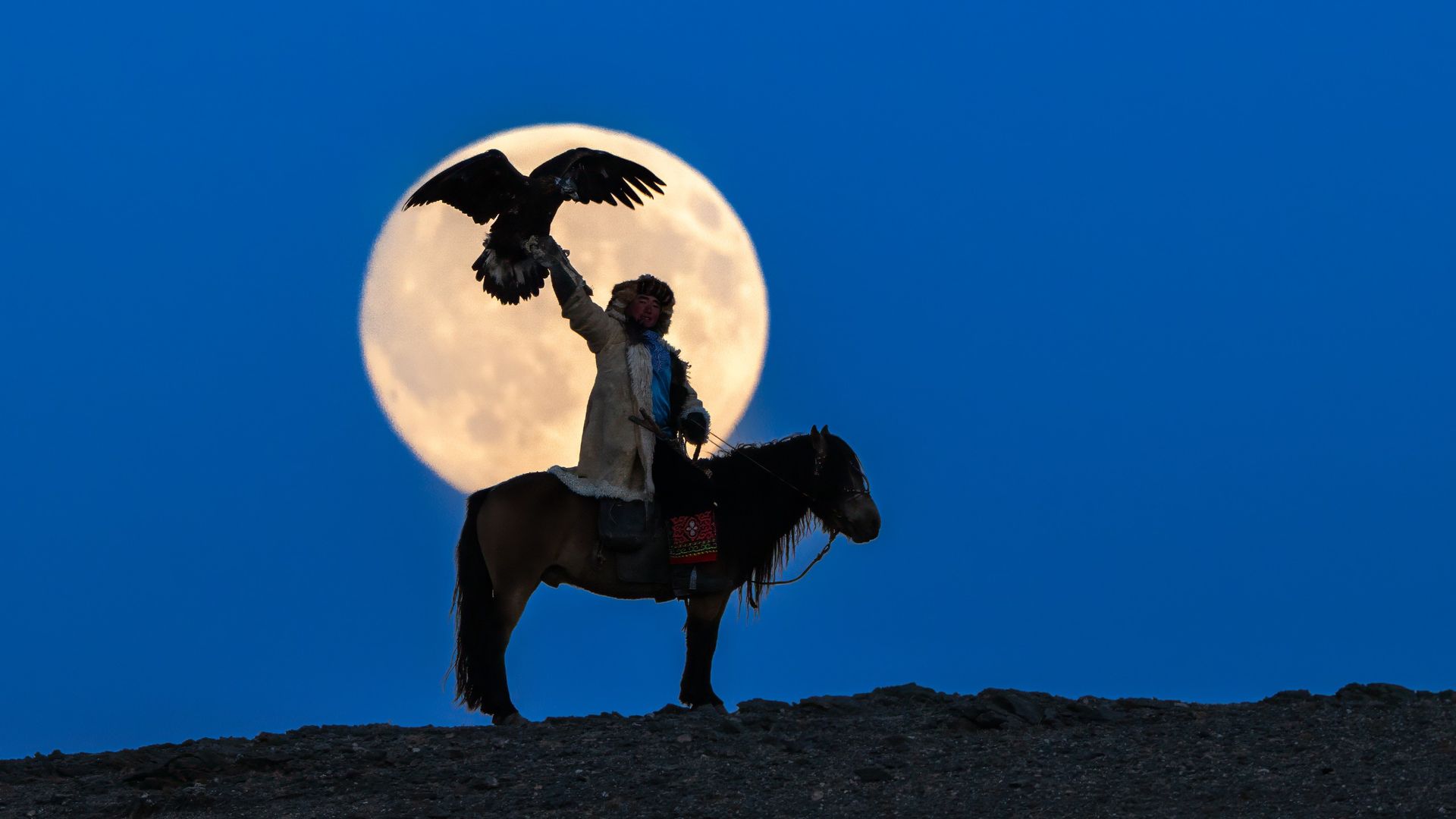
The Orionid meteor shower peaks on October 21-22, though a bright moon will reduce visibility. Still, a wide-angle lens (14-24mm), ISO 800-1600, and 20-30 second exposures can help capture the meteors. The full "Hunter's Moon" rises on October 26, providing a stunning backdrop for landscape shots with a telephoto lens (200-600mm) or foreground elements for scale.
Written by urgent.news from Digital Camera World's reporting — not their text. Machine-written — may contain errors; check the original before relying on it.