As Netanyahu hits 19 years in office, Israel must confront the case for term limits - editorial
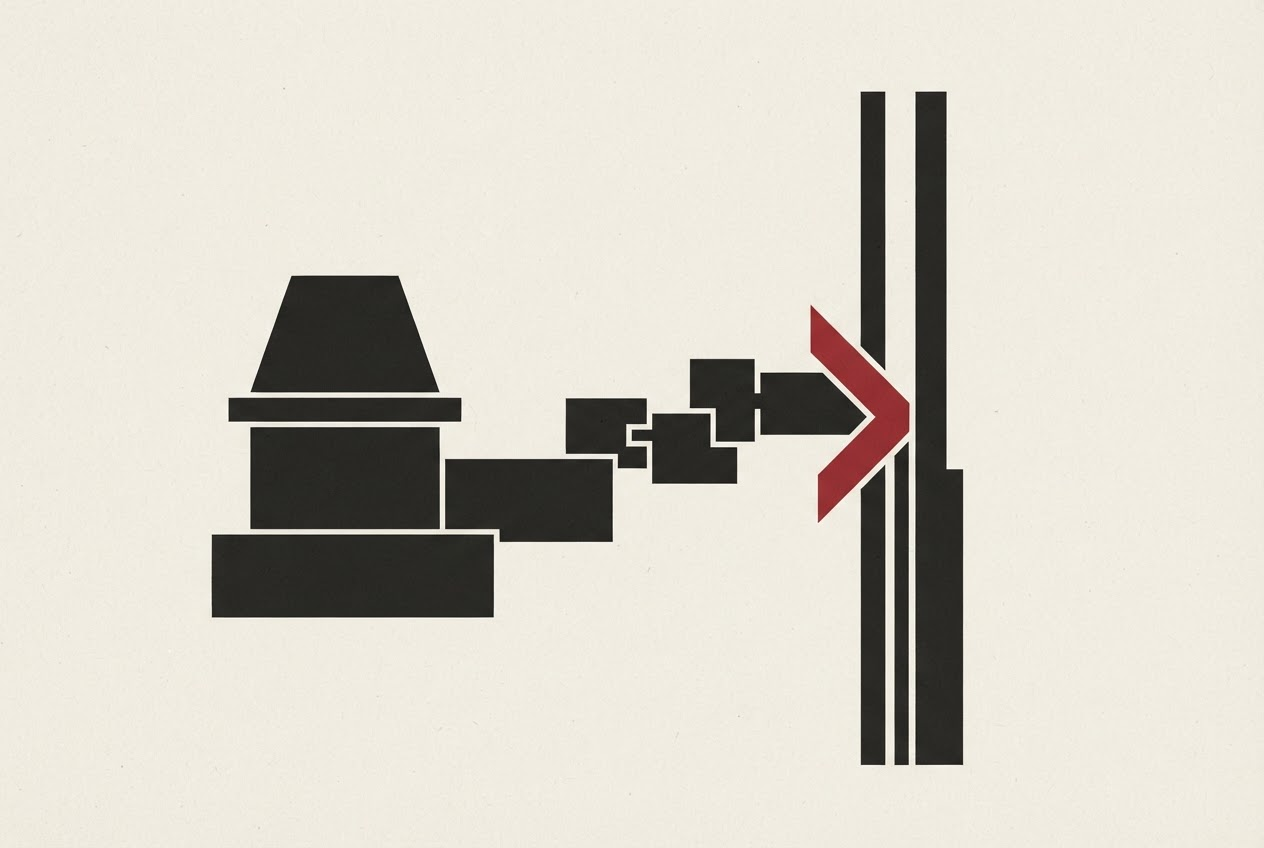
Democracies place limits on majority rule not to thwart the will of the people but to preserve the system through which it is expressed. Term limits are one example.
On Monday, Prime Minister Benjamin Netanyahu reached a historic milestone: 19 years in office. This period spanned three separate terms, from 1996 to 1999, 2009 to 2021, and 2022 to present. For a nation, this amounts to nearly one-fourth of all days since Israel's independence, and nearly two-thirds of all days since 1996.
While Netanyahu's tenure is a testament to political skill, it raises a critical question: is it healthy for one leader to hold power for such an extended period in a democracy? Some argue that unlimited tenure is undemocratic, while others believe it is a legitimate outcome of the will of the people.
Term limits are not a new concept; the United States ratified the 22nd Amendment in 1951 to prevent a president from serving more than two terms. Similarly, Hungary and Thailand have recently limited their prime ministers to eight-year terms. In Israel, opposition parties have supported limiting the prime minister's tenure, though they have not agreed on a specific formula.
Supporters of term limits argue that they promote accountability, encourage the development of new leadership, and provide a predictable political cycle. Moreover, term limits can act as a safety valve for democracy, reassuring those opposed to the government that change is inevitable and predictable.
However, it is important to note that term limits are not a cure-all for Israel's political system. The benefits of term limits must be weighed against other factors that shape the country's political landscape. Nevertheless, after 19 years under one prime minister, the argument for term limits should not be dismissed lightly.
Written by urgent.news from Jerusalem Post's reporting — not their text. Machine-written — may contain errors; check the original before relying on it.