Analysis: Everything but the rate: BI balances growth, rupiah stability
Bank Indonesia (BI) opted to keep monetary policy supportive of growth on Sept. 23, holding its benchmark rate at 5.75 percent despite the United States Federal Reserve’s rate hike a week earlier. The decision, Governor Destry Damayanti’s second consecutive hold, reflects BI’s expanded mandate to support economic growth and job creation. Rather than raising rates to defend the rupiah, BI…
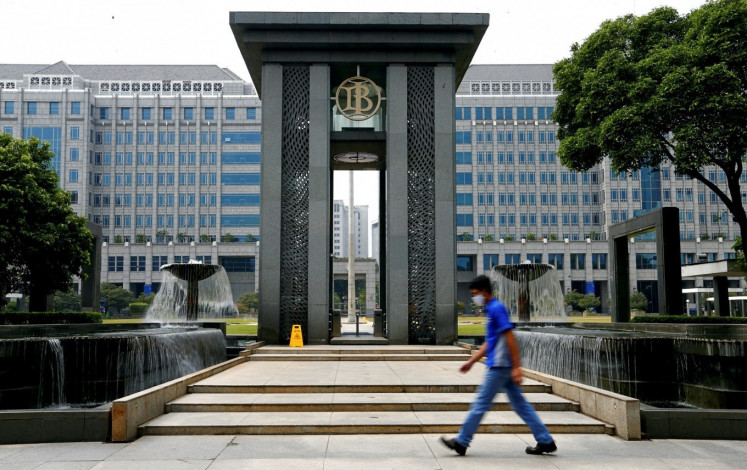
The Bank of Indonesia (BI) maintained its growth-focused monetary policy on September 23, leaving its benchmark interest rate unchanged at 5.75 percent, despite the Federal Reserve's recent rate hike. Governor Destri Damayanti has now opted for two consecutive holds, demonstrating BI's commitment to supporting economic growth and job creation.
Instead of raising rates to stabilize the rupiah, BI has been strengthening incentives for investors to hedge against currency risk. This approach aims to strike a balance between fostering growth and maintaining exchange-rate stability.
The Federal Reserve increased its target range for interest rates for the first time in over a year, raising it from 3.00-3.25 percent to 3.75-4.00 percent. The Fed's decision came as inflation remained elevated and geopolitical uncertainty persisted. Additionally, global investor appetite for emerging-market assets remained subdued due to a strong U.S. dollar. Ahead of BI's decision, the rupiah depreciated to Rp 17,855 per U.S. dollar from around Rp 17,600 in mid-September.
Foreign portfolio inflows dwindled, with cumulative third-quarter net inflows dropping from US$1.8 billion as of August 14 to US$0.4 billion as of September 21. This represents a net outflow of approximately US$1.4 billion over the preceding five weeks. Inflation, driven by volatile food prices and rising above the BI target range of 2.5 percent plus/minus 1 percent, provided little pressure for a rate adjustment.
BI's response to the Fed's decision relied on alternative measures, focusing on three key instruments. First, BI strengthened its monetary operations to stabilize the rupiah and manage liquidity by optimizing interventions in offshore NDFs, the domestic spot market, and domestic NDFs (DNDF). Second, the central bank increased incentives for hedging swaps and DNDF transactions, offering reduced premiums that varied based on tenor, and continued incentives for local-currency transactions.
Lastly, BI maintained accommodative macroprudential policies to encourage lending to the real sector.
Since June, when the rupiah breached the Rp 18,000 per dollar mark and BI raised its benchmark rate by 25 basis points, completing three consecutive increases totaling 100 basis points, the central bank has kept rates steady. These other policy tools have been employed to support the rupiah without further increasing the cost of credit.
The decision to maintain the interest rate has greater statutory significance following the enactment of Law No. 4/2026, which amends the Financial Sector Development and Strengthening (P2SK) Law.
Written by urgent.news from The Jakarta Post's reporting — not their text. Machine-written — may contain errors; check the original before relying on it.