AMD's 192 GB Gorgon Halo prices might leave you petrified
Regular pricing starts at $6,799 - all that memory doesn't come cheap
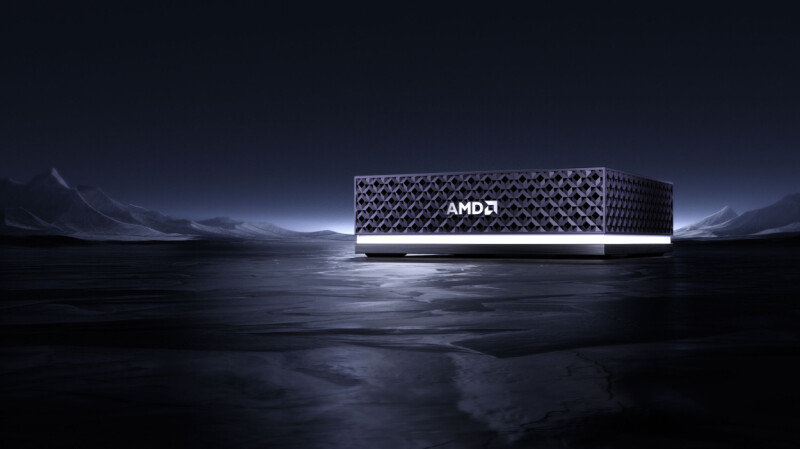
AMD's Gorgon Halo system-on-chip (SoC) platform has recently arrived, featuring up to 192 GB of unified memory on board. This impressive amount of RAM makes it possible to run DeepSeek V4 Flash locally, if you can afford the high price tag of $6,799. With regular pricing starting at this amount, the high memory capacity may only be worth it for local AI enthusiasts and small businesses concerned about privacy.
The Gorgon Halo SoC, powered by AMD's Ryzen AI Max+ 495, offers a whopping 192 GB of faster 8,533 MT/s LPDDR5x memory, compared to the 128 GB of 8,000 MT/s memory in the Strix Halo APU. Gorgon Halo clocks in at about 100 MHz higher than Strix Halo, yet the increased memory bandwidth of only 6.5% over the latter may not make a significant difference in performance.
The high memory capacity of Gorgon Halo is primarily driven by the ongoing memory shortage, which has pushed prices up significantly. As a result, products featuring this SoC are likely to be even more expensive than anticipated. The limited availability of LPDDR5x memory further exacerbates the issue, as AMD embraces LPDDR5x for its AI-optimized Verano Epycs.
While AMD's Gorgon Halo SoC may offer more memory for less than competitors, the high price and memory shortage make it difficult for consumers to choose between AMD and its competitor, Nvidia.
Written by urgent.news from The Register's reporting — not their text. Machine-written — may contain errors; check the original before relying on it.
This story
This is one outlet's version. Read the fullest account.
- AMD's 192 GB Gorgon Halo prices might leave you petrified theregister.com