AI 'kill chain': What happens when humans trust bad data at the worst possible moment
AI is reshaping military targeting by processing vast amounts of intelligence at unprecedented speed, but errors can travel faster too. The Minab school strike and a separate incident involving a misidentified Chinese ship highlight how outdated or false information can gain authority within AI-assisted systems, potentially leading to catastrophic consequences even with humans overseeing…
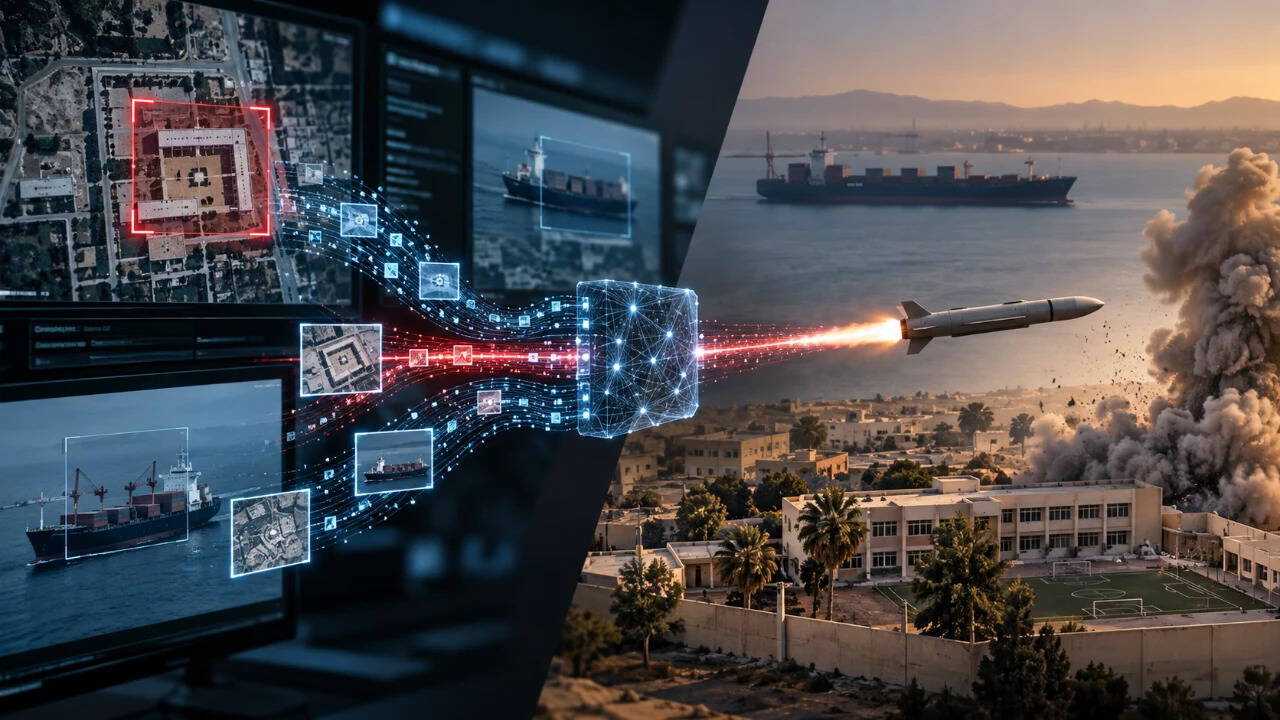
In the world of artificial intelligence, a growing concern is emerging as the technology infiltrates critical decision-making processes. The AI kill chain represents the chain of events from detecting a potential target to executing an attack. This chain involves various stages, including surveillance, identification, targeting, authorization, engagement, and assessment. Different personnel handle the information at each stage, much like a relay race with the baton being the intelligence data.
While many view AI hype as harmless, its impact in sensitive areas, such as military decision-making, is far more serious. Two notable incidents in 2026 highlight the dangers of relying on outdated or incorrect information when AI systems are involved. In the first incident, a US missile strike on a girls' school in Iran's Minab city resulted in the deaths of over 150 people, including over 120 children.
According to UN findings and US investigations, the school was mistakenly identified as a military facility due to outdated intelligence data still being cataloged in the US military's database.
The second incident involved a false intelligence report about a Chinese ship that nearly triggered a US military operation. A chatbot misidentified the vessel's cargo, leading to a potential escalation of tensions. These examples demonstrate that the problem lies not with AI itself, but with the information it processes. Bad information entered the system, rapidly traveled through it, and gained the authority of a more significant decision-making machine.
The AI kill chain operates quickly, processing data from various sources at a pace that far surpasses human capabilities. Modern military systems, such as Palantir's Maven Smart System, can fuse large amounts of data, including satellite imagery, drone footage, radar, and signals intelligence. While humans remain involved in the process, making lethal decisions still passes through intelligence, legal, and command processes.
The crucial question is not who presses the button, but what information reaches that person. If the information on the screen is inaccurate, human involvement at the end of the chain cannot magically make the decision sound. In the Minab incident, outdated intelligence remained in the system even after the school was no longer a military facility.
The AI system did not invent the mistake; it merely accelerated the dissemination of the old data. This underscores the importance of ensuring that accurate and up-to-date information flows through the AI kill chain to avoid disastrous consequences.
Written by urgent.news from Times of India's reporting — not their text. Machine-written — may contain errors; check the original before relying on it.