A Powerful El Niño Could Bring Mild Temperatures, Flooding, and Less Snowfall to Different Parts of North America This Winter
Learn more about the shifts in weather that may arise thanks to a powerful El Niño this winter and what the impacts on North America could be.
El Niño, the climate phenomenon known for its impact on global temperatures and weather patterns, is currently causing a record-breaking surge in temperatures. According to the Climate Change Institute, the current anomaly stands at 3.11 degrees Celsius (5.60 degrees Fahrenheit), surpassing the previous record set in 2015. Although the effect is felt globally, no region remains untouched. In the United States and Canada, the extent and type of impact vary by location.
In the southern states, El Niño typically brings wetter-than-normal conditions, while the northwest and Ohio Valley regions experience drier winters. The US Geological Survey (USGS) notes that a "Super El Niño" does not guarantee specific weather patterns, but rather tilts the odds in favor of certain conditions. This winter, the Midwest and northern states can anticipate above-average temperatures and reduced cold spells, with temperatures potentially climbing 3 to 8 degrees Fahrenheit above the 20th-century average.
The southern states, however, are likely to face more severe weather, with a higher likelihood of heavy rainfall and stormy conditions. The jet stream, pushed south by strong El Niño conditions, can bring cool temperatures, high winds, and substantial precipitation, including rain, snow, sleet, and ice. This can result in extreme flooding, with ice storms more frequent in eastern states and blizzards more common in western states.
While many areas can expect heavy storms and flooding, the contiguous U.S. could see fewer hurricanes due to increased vertical wind shear, which suppresses hurricane formation. Hawaii, however, might experience more storms and a more intense hurricane season due to El Niño.
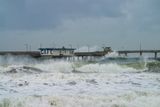
In New England, the region may face a wetter winter than usual, with more nor'easters bringing snow, rain, and large waves to coastal areas. This could lead to increased snowfall, even if overall temperatures remain above average. Meanwhile, California, which has experienced wetter winters during Super El Niño events in the past, may face increased rainfall, strong winds, and flooding, as well as sea level rise, coastal erosion, and large waves.
Lastly, Canada may see less snowfall during this El Niño winter, with warmer and drier conditions typically associated with the event. Coastal areas face a higher likelihood of extreme storms and flooding, while central regions risk drought.
Written by urgent.news from Discover Magazine's reporting — not their text. Machine-written — may contain errors; check the original before relying on it.