2027: Nigeria needs to be rescued from darkness, hopelessness – NRM
The presidential candidate of the National Rescue Mission, NRM, Esther Okereke, has called on governments and political leaders in the country to focus more on sharing prosperity instead of sharing power Okereke made the call during the inauguration of the party’s Presidential Campaign Council, PCC, in Abuja on Tuesday, adding that leaders have focused on […] 2027: Nigeria needs to be rescued…
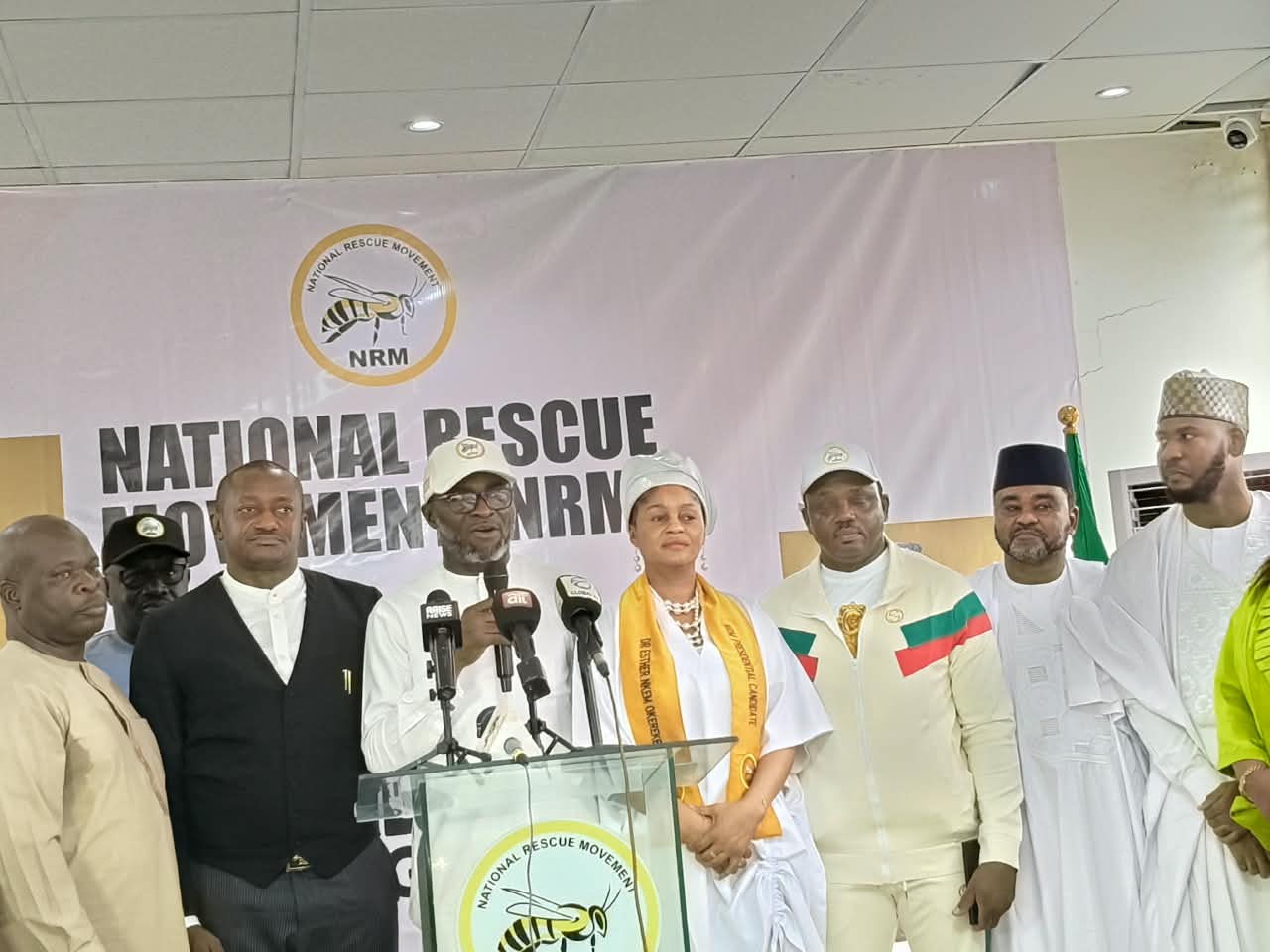
During the inauguration of the National Rescue Mission's Presidential Campaign Council in Abuja, party leader Esther Okereke urged the nation's leaders to prioritize sharing prosperity over power distribution. Okereke criticized the focus on noise and advocated for structure, evidence, and peace, emphasizing the urgent need for Nigeria to be rescued from issues such as darkness, hunger, insecurity, joblessness, and hopelessness.
National Chairman Prince Chinedu Obi highlighted Nigeria's potential, citing its large and youthful population, vast agricultural potential, and strategic location. He stressed that the primary question is not whether Nigeria possesses potential, but rather whether the nation can establish the necessary institutions, leadership systems, processes, and accountability mechanisms to transform that potential into tangible improvements in citizens' lives.
Obi emphasized that social justice requires a political and economic system where citizens' opportunities, public resources, and legal protections are not determined by ethnicity, religion, social status, political connections, or access to power. He underscored that the rule of law is essential for a functional state, ensuring predictability, enabling citizens to plan, fostering investment, establishing enforceable contracts, enhancing productivity, and promoting peace and productivity.
Comparing Nigeria's situation to China's anti-corruption efforts, Obi suggested that Nigeria should adopt a system rooted in its Constitution, democratic institutions, fundamental rights, and rule-of-law obligations. He stressed the importance of standard operating procedures, clearly defined mandates and responsibilities, operational procedures, approval authorities, procurement standards, financial controls, reporting requirements, performance indicators, evaluation and audit mechanisms, service-delivery standards, and consequences for non-compliance.
Obi advocated for a shift from a personality-driven government to an institution-driven one, ensuring that the government remains effective regardless of who occupies office. He concluded that Nigeria has the potential to thrive, provided it can build the necessary institutions and systems to convert its potential into measurable improvements in the lives of its citizens.
Written by urgent.news from Daily Post Nigeria's reporting — not their text. Machine-written — may contain errors; check the original before relying on it.