10 years on, Geelong and Broadmeadows count the cost of Ford's departure
While the Geelong and Broadmeadows economies have bounced back from Ford factory closures in 2016, former workers say their journeys have been tough.
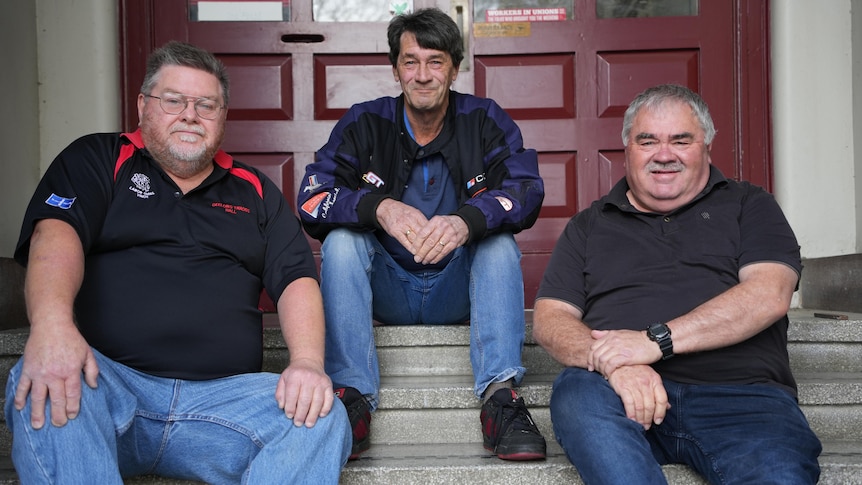
Ten years after Ford's departure from Geelong and Broadmeadows, the closure of the car manufacturer's plants has had a profound impact on the local economy and workforce. For many who worked at the Norlane factory, the loss of their jobs has been difficult, as the plant was a significant part of their lives and the community.
Mr. Travers, who worked at Ford for 28 years, still proudly wears a jacket with the iconic blue logo, but he still misses the factory. He describes the suburb of Norlane as the town that Ford built, a place filled with factory workers and their families. During World War II, the plant manufactured long-range fuel tanks for aircraft, and after the war, it stamped metal sheets into car panels and produced the company's well-known straight-six engines.
Ford's Norlane complex produced parts for cars including the Falcon, Fairlane, and Territory, which were then taken to Broadmeadows for assembly.
In 2013, Ford announced it would close both the Geelong and Broadmeadows plants, resulting in the loss of about 5,000 manufacturing jobs. Mr. Travers was one of the 17 in his family who worked at the Geelong Ford factory across its 90-year history and was selected to stay on until 2017, working on prototypes. He found it challenging to transition to other jobs, as he was so accustomed to the Ford way of doing things.
Many former Ford workers describe feeling part of a Ford family, working in clearly defined jobs. However, the closure was a seismic shift for these workers, who were given a strategy to find new employment. The strategy involved simply driving into the work car park on Monday morning, sitting for a few minutes, and then driving home, but this was hardly a solution to the disruption caused by the closures.
In the years following the closures, many former Ford workers struggled to find new jobs, with wages and conditions no longer matching those at Ford. Some took time off after the closure to recover, as Mr. Anderson, a former colleague of Mr. Travers, advised. Others found short-term work, such as building camper trailers, filling potholes, and replacing traffic signs, but none of it compared to their time at Ford.
The closure of the plants led to a significant increase in unemployment rates in Geelong and Hume, with the latter reaching 9.9% in 2016. However, the unemployment rate has since improved to 6.4%, reflecting the city's broader economic diversification. The manufacturing sector has diversified as well, with companies like Sykes Rowing receiving funding to evolve and adapt to new industries, such as drones.
While Geelong has moved on from the closure of manufacturing, it is clear that the impact of Ford's departure has been long-lasting and far-reaching. The former Ford factory still stands as a reminder of the city's manufacturing past, and there are plans to repurpose the site for other uses, such as a film studio. Meanwhile, Broadmeadows is set to become home to a massive new data centre, further diversifying the local economy.
Written by urgent.news from ABC News AU's reporting — not their text. Machine-written — may contain errors; check the original before relying on it.