10 Blind Spots in Cold Chain Risk Management You Might Not Know You Have
Most shippers, by this point, tend to believe they have visibility into their cold chain. What “visibility” truly covers, though, is often little more than surface-level location data. The gap between knowing where a shipment is and knowing what happened to it along the way is where cold chain programs can come across some of […] The post 10 Blind Spots in Cold Chain Risk Management You Might Not…
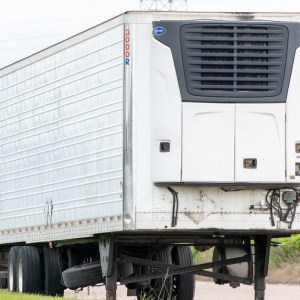
Many businesses assume they have a clear view of their cold chain logistics, but the reality often falls short. While GPS tracking can provide location data, it does not give insight into the actual temperature and conditions within the shipment. This disconnect can lead to significant failures, especially when dealing with temperature-sensitive goods such as insulin or frozen shrimp.
Cold chain operations, whether pharmaceutical or food and beverage, often operate in silos. Pharmaceutical logistics teams handle complex, global shipments that must comply with strict regulations, while food and beverage teams manage more localized freight. The main issues shared across these sectors include disconnected data, delayed or excessive alerts, and events caused by a mix of security and quality control errors.
Specialists at Overhaul warn that assumptions commonly taken for granted can lead to major problems. First, location and shipment condition are not the same thing. GPS can only provide a location, but it does not confirm if the product inside is still within safe temperature parameters. Second, custody records are usually captured but scattered across various systems, making it difficult to respond promptly. Pharmaceutical shipments, in particular, involve many handlers, making this issue more pronounced.
Over-alerting can also reduce visibility due to fatigue. Modern sensors can produce a lot of information, and logistics teams, especially in the pharmaceutical industry, are often stretched thin. This can push decision-making from proactive to reactive, turning a potential risk into a significant one. Furthermore, a shipment might not show any issues upon arrival because the product recovered its temperature before reaching the receiving point.
Response strategies to disruptions are often speed-related rather than lead-time related. While large, predictable disruptions like hurricanes are manageable, sudden issues such as a reefer failure or unplanned facility closures pose more challenges. In such cases, rerouting the shipment may not be enough; the critical question is how much of the product can still be used. Mature cold chain programs can respond in minutes, whereas delays often occur, sometimes taking hours, from alert to corrective action.
Entering the regulated pharmaceutical lane involves more than just compliance; it's a financial decision. Carriers looking to expand into pharmaceutical transport may underestimate the costs involved. Setting up a system to meet pharmaceutical standards requires temperature mapping of both empty and loaded trailers, seasonal temperature/humidity mapping in warehouses, and adherence to strict regulations like current Good Manufacturing Practices.
The upfront costs can be substantial, and the revenue is typically measured per shipment. Carriers must consider whether they can justify the costs by securing enough pharma volume to cover them.
Written by urgent.news from FreightWaves's reporting — not their text. Machine-written — may contain errors; check the original before relying on it.