Why the EU must stand firm on its Common Fisheries Policy
Sustainability is not the antithesis to economic performance, but its foundation.
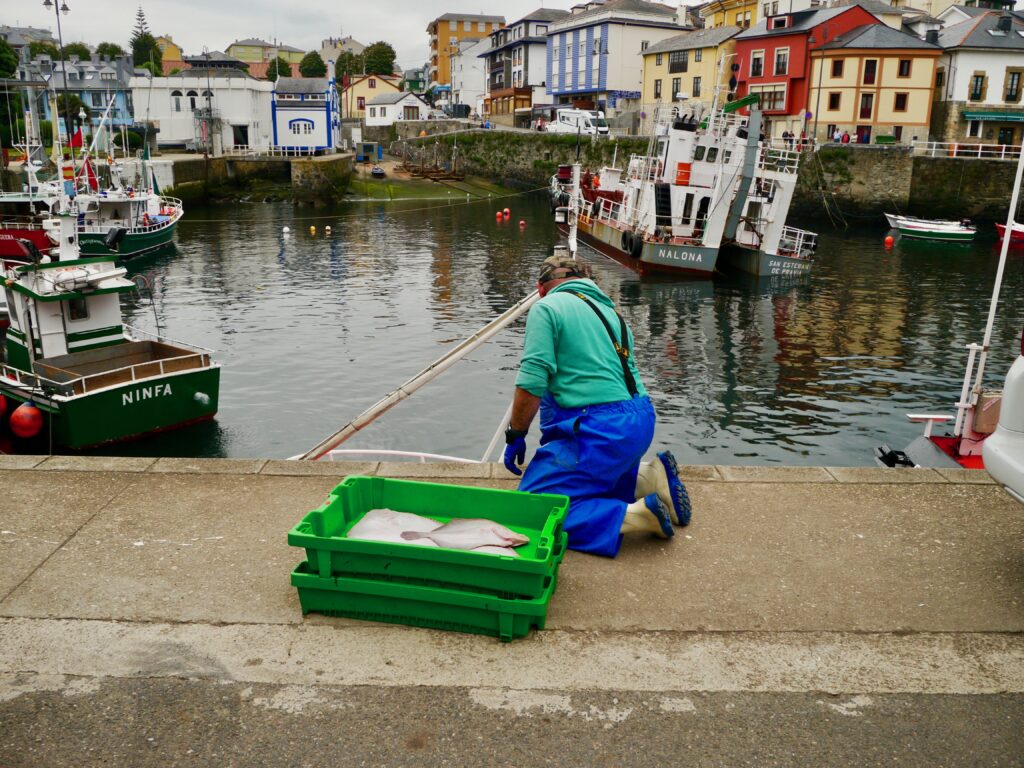
The health of our oceans is vital to life on Earth, supporting food security, livelihoods, biodiversity, and climate stability for billions. As we approach the 2030 deadline for the Sustainable Development Goals and the midpoint of the UN Decade of Ocean Science, global ocean governance must be strengthened, not weakened. The European Union, with its Common Fisheries Policy (CFP), is uniquely positioned to lead this effort.
The CFP has established one of the world's most ambitious fisheries management frameworks. Following years of overfishing and declining profitability, its 2013 reform prioritized sustainability, leading to healthier fish stocks, improved management, and a stronger foundation for the sector's long-term viability. Progress has been uneven but clear - in 2003, only 27% of North Atlantic fish stocks were fished at sustainable levels, rising to 74% by 2021.
The CFP's benefits extend beyond European waters. As a major global seafood market, the EU influences international fisheries governance through partnerships, participation in regional management organizations, and market requirements for imported seafood. This leadership in ocean governance is crucial at a time of geopolitical uncertainty, biodiversity loss, and mounting pressure on marine resources.
However, the CFP now faces growing political pressure for reform, with calls for greater flexibility on core sustainability provisions like exploitation rates, fleet capacity, and the discard ban. While frameworks should evolve, weakening these core principles would send a concerning global signal. The key challenge for the EU is ensuring the full implementation, consistent application, and effective enforcement of its existing commitments.
The EU's credibility as a global leader in sustainable ocean governance is at stake. With global fish stocks being overfished by 37%, the EU must continue to build on the strength of its framework to support sustainable fisheries worldwide. Weakening the CFP would risk undermining its own long-term resilience and the sector's ability to provide food security, competitiveness, and stable livelihoods. It is about ensuring that coastal livelihoods endure and prosper for future generations.
Written by urgent.news from Politico EU's reporting — not their text. Machine-written — may contain errors; check the original before relying on it.