Why gold and silver prices are on the decline as bond yields rise
Global bond yields have been spiking in recent months, especially U.S. Treasuries, while the perceived value of precious metals like gold and silver have been on the decline.
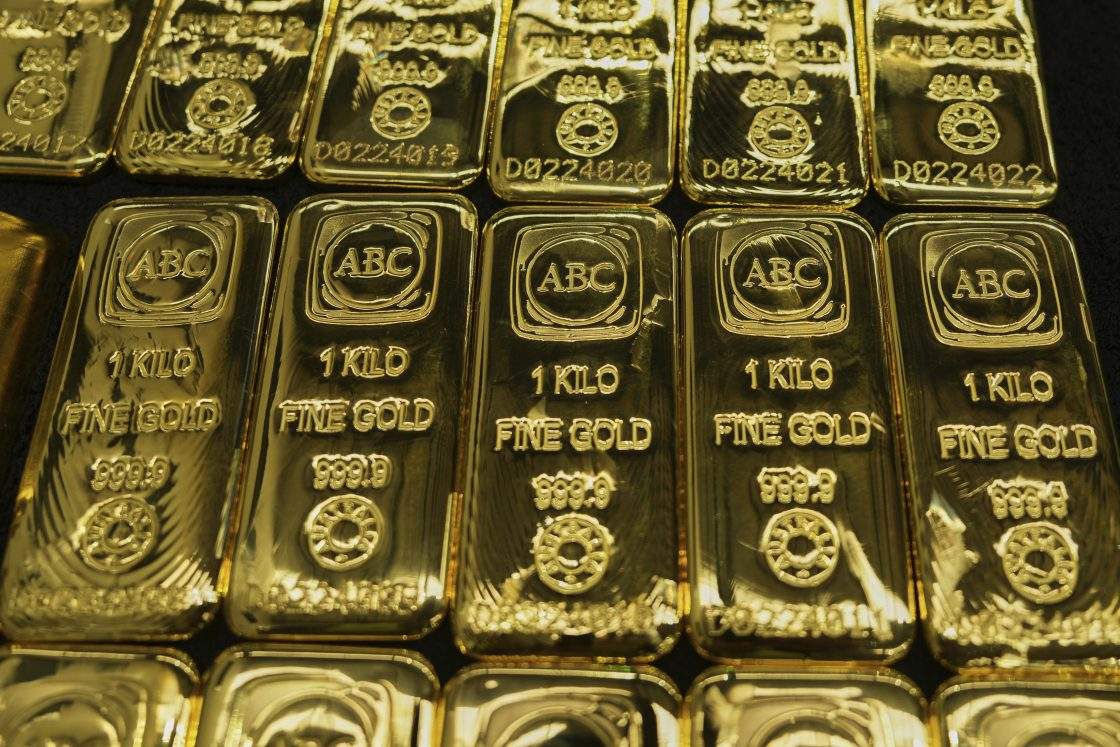
Global bond yields have been on the rise in recent months due to geopolitical tensions and economic uncertainty, particularly in the United States. This surge in bond yields is also causing a decline in the perceived value of precious metals such as gold and silver. Bonds are loan products offered by governments and companies, and their yield, or return for investors, can change based on economic factors and supply and demand.
The higher yield for U.S. bonds makes metal assets less appealing compared to bonds that offer regular interest payments. Colin White, president and CEO of Verecan Capital Management, explains that investors who see precious metals as a store of value are now considering bonds as an interest-bearing alternative that provides a good return.
The 10-year U.S. Treasury yield has increased to around 5.25 percent, up from half a percentage point just a month ago, a relative increase of about 11 percent. Meanwhile, the price of gold in the December contract has dropped more than eight percent to around US$4,164 per ounce, and silver has also seen a decline of around eight percent to about $61.55 an ounce.
These movements in prices may indicate that bonds are a more attractive investment option compared to gold and silver, and even some stocks. Historically, gold and other hard assets were viewed by investors as a good option to hold during times of financial risk, as they were believed to hold their value even if a financial system or currency collapsed, or if inflation spiked.
However, with gold now trading at about $4,000 per ounce, it is no longer behaving like a safe investment or a store of value. The U.S. government has reportedly spent over $25 billion on its war against Iran, with no clear end in sight, and soaring global oil prices due to the conflict closing the Strait of Hormuz shipping channel.
Higher inflation can force central banks to raise their benchmark interest rates, leading to higher borrowing costs for consumers and businesses. The U.S. Federal Reserve recently raised interest rates for the first time in three years. These factors suggest that bond yields may be more appealing than precious metals and even some stocks as an investment choice.
Written by urgent.news from Global News's reporting — not their text. Machine-written — may contain errors; check the original before relying on it.