What’s Putin’s Secret Post-Election Strategy To Test NATO?
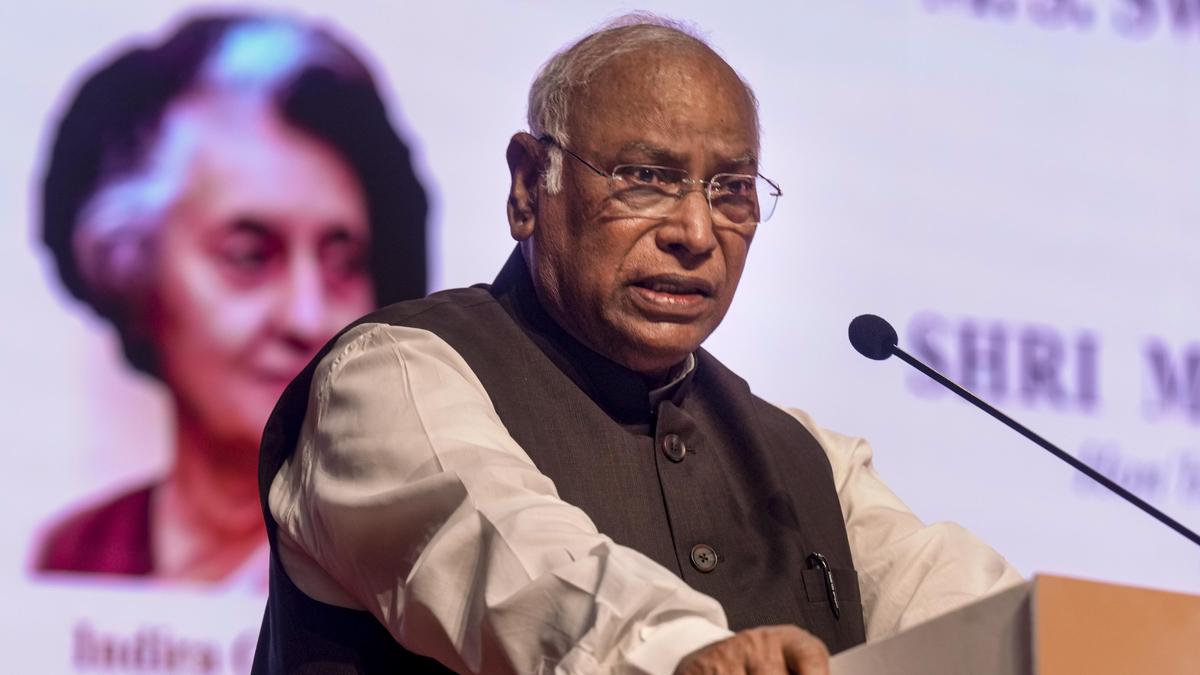
The 2026 Russian legislative election to select all 450 seats of the State Duma (the lower house of parliament) ended on 20 September with President Vladimir Putin’s United Russia party securing 57.83% of the vote. Given the State apparatus to ensure a positive result for Putin, the number might look on the lower side than many would expect, but it translates into a record-breaking 355 out of 450…
In the aftermath of the 2026 Russian legislative election, in which President Vladimir Putin's United Russia party achieved a historic victory with 355 out of 450 seats, the Kremlin appears to be considering its next strategic move to further challenge NATO. With the war in Ukraine showing no signs of imminent conclusion, and the Russian military struggling to replace its significant casualty rate, Putin faces a critical decision.
The Russian president, who has presided over the nation for 26 years, is confronted by the so-called "Tiger-Rider Paradox." This refers to the dilemma faced by an autocrat who, due to their accumulation of enemies, atrocities, and legal protections during their rule, risks severe consequences upon stepping down. Putin's current predicament is further exacerbated by the rising casualty ratio in the war, with Russia suffering approximately 34,000 casualties per month, compared to Ukraine's 27,000 new recruits.
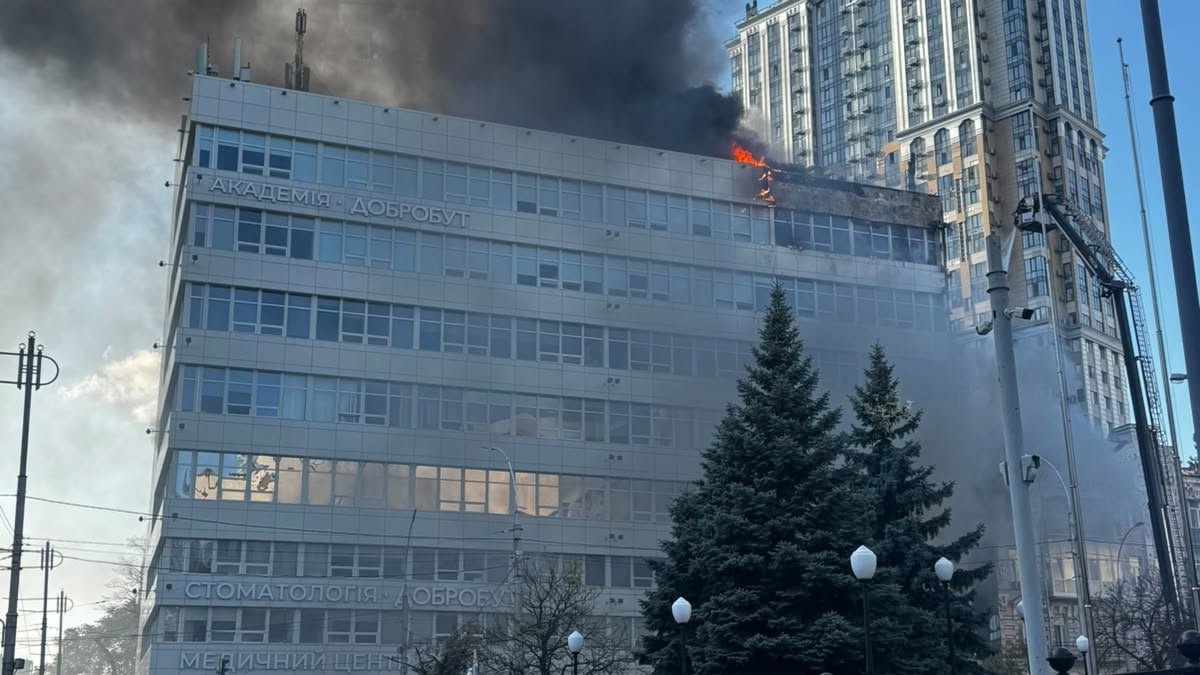
Furthermore, Ukraine's advanced drone and missile capabilities have enabled them to strike deep into Russian territory, targeting critical infrastructure and key cities. In recent months, Ukraine has launched numerous drone attacks against Russia, including a recent series of strikes on Wildberries, Russia's largest e-commerce platform, as well as direct hits on Moscow.
To address these challenges, Russian officials are contemplating several strategic options. One potential course of action is to widen the scope of military mobilisation, potentially increasing the number of troops called up from several hundred thousand to potentially 600,000 in the first wave, with ongoing mobilisations of around 300,000 per year thereafter.
This move would be facilitated by the seamless integration of the Russian military's automated digital registry with border security measures, which would legally bar eligible individuals from leaving the country upon being drafted.
Additionally, the Kremlin is exploring the possibility of increasing its use of "grey zone" operations, which are designed to operate just below the threshold that would trigger NATO's Article 5 collective defense response. This could involve a range of covert actions, such as the recent attempted energy and telecommunications attacks on European targets, as well as the ongoing cyber and intelligence operations targeting NATO allies.
Ultimately, Putin's decision will likely depend on his assessment of the risks and benefits associated with each potential strategy. While a wider mobilisation could bolster Russia's military capabilities in the short term, it also poses significant domestic challenges, as the ongoing conflict has strained the country's resources and eroded public morale.
On the other hand, expanding grey zone operations may test NATO's resolve and expose vulnerabilities in allied defenses, but could also risk triggering a broader conflict with unforeseen consequences.
Written by urgent.news from OilPrice's reporting — not their text. Machine-written — may contain errors; check the original before relying on it.