What Xi really wants from Trump
China’s goal isn't just to end American hegemony but also to discredit the idea that democracy represents the best path forward for the developing world.
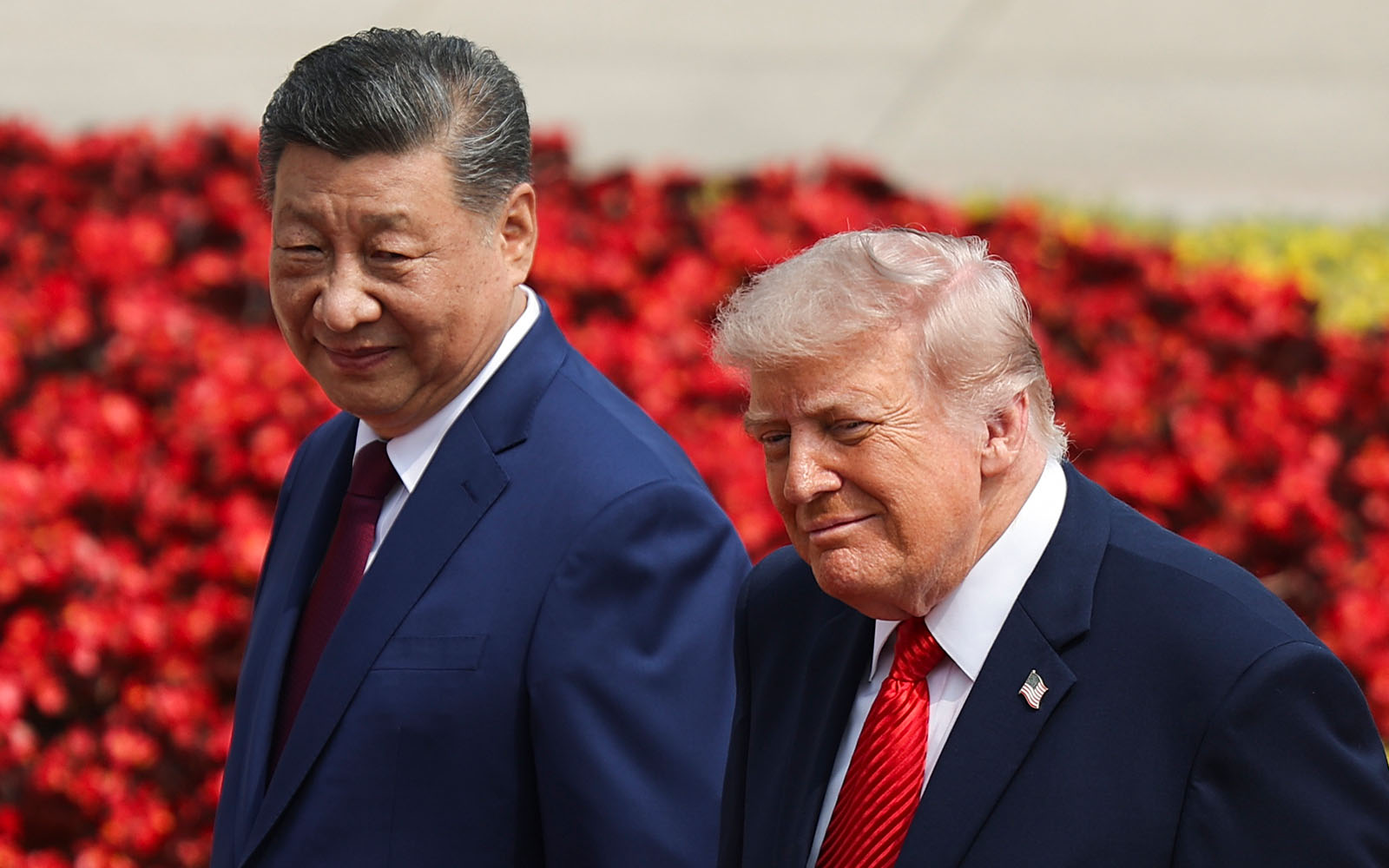
On September 24, US President Donald Trump convened with Chinese President Xi Jinping in Washington, D.C. As the leaders of the world's two most influential nations, their bilateral relationship holds significant global ramifications. However, assuming China's foreign policy is solely centered around the US is a grave misunderstanding.
Xi Jinping, the Chinese leader, is both a disciplinarian and an ideologue who expects his foreign policy establishment to adhere to a global strategy rooted in "Xi Jinping Thought," a set of principles dictating China's assessment of its national interests and response to US pressure. The cardinal principle among these is the preservation of Xi's leadership and the Communist Party's rule, outranked only by the enhancement of China's global stature.
Xi's response to Trump's tariff war is a testament to these priorities, making it implausible for China to submit to American pressure. Therefore, what does Xi's China truly desire? Its primary objective, encapsulated in Xi's "China Dream of National Rejuvenation" by 2050, is achieved through a strategic dual pivot. The first pivot, currently the focus of Chinese diplomacy, is garnering overwhelming support from the Global South for China's foreign policy agenda.
Xi's recent appearances at the Shanghai Cooperation Organization summit in Bishkek, Egypt, and India exemplify this pivot. The second pivot involves the annexation of Taiwan, a move that would signal China's supremacy over the US and herald Chinese global pre-eminence, thus fulfilling the China Dream. This mission requires China to be confident of success, explaining Xi's deliberate pacing towards the 2050 deadline.
Through courting the Global South, Xi aims to establish a "common destiny for humankind" under his leadership, a concept that is often inaccurately translated by the Chinese media as "building a community of shared future." This endeavor seeks to transform the current international order into a China-centric one, where the liberal international order is perceived as an elitist West representing a minority of UN member states and the global populace.
Western dominance, in Xi's view, is inherently undemocratic. Conversely, the Global South—where China asserts its presence—encompasses most of the world's countries and people. By making the UN and other multilateral bodies accountable to the Global South, China aspires to democratise international relations and shape the future international order.
The Belt and Road Initiative further incentivizes this objective by offering development loans without the accountability and transparency of Western democracies and multilateral institutions. Understanding what motivates Xi's outreach to the Global South and his determination to reshape the international order is crucial for the US to effectively engage with China.
China's ambition extends beyond ending American hegemony; it aims to debunk the notion that democracy is the best path for developing nations. China has no interest in assisting the US in rectifying its foreign policy errors and benefits when the US is viewed as a threat to global peace, security, and prosperity. The Iran war serves as a prime example.
While China disapproved of the US invasion of Iran, it reaped substantial benefits from the Trump administration's aggressive foreign policy and its inability to achieve its objectives despite overwhelming military strength. The more the US alienates its allies, disrupts the global economy, and burdens countries in the Global South, the more China gains support.
During his meeting with Trump, Xi's paramount priority was to ensure the summit was perceived as a resounding success. While a trade deal ranks second, helping the US extricate itself from its self-made Middle Eastern predicament was not on his agenda. Should Xi face pressure, he is likely to retaliate fiercely. However, he stands to gain significantly from America's numerous missteps and the US's alienation of traditional allies, disruption of the global economy, and harm to Global South nations.
Written by urgent.news from Free Malaysia Today's reporting — not their text. Machine-written — may contain errors; check the original before relying on it.
This story
This is one outlet's version. Read the fullest account.
- What Xi really wants from Trump freemalaysiatoday.com