What we know about the wildfires choking Indonesia, fuelling regional haze across Malaysia and Singapore
Jakarta, Sept 29 — For weeks, Indonesia has been battling fires that have burned vast swathes of forest and peat e...
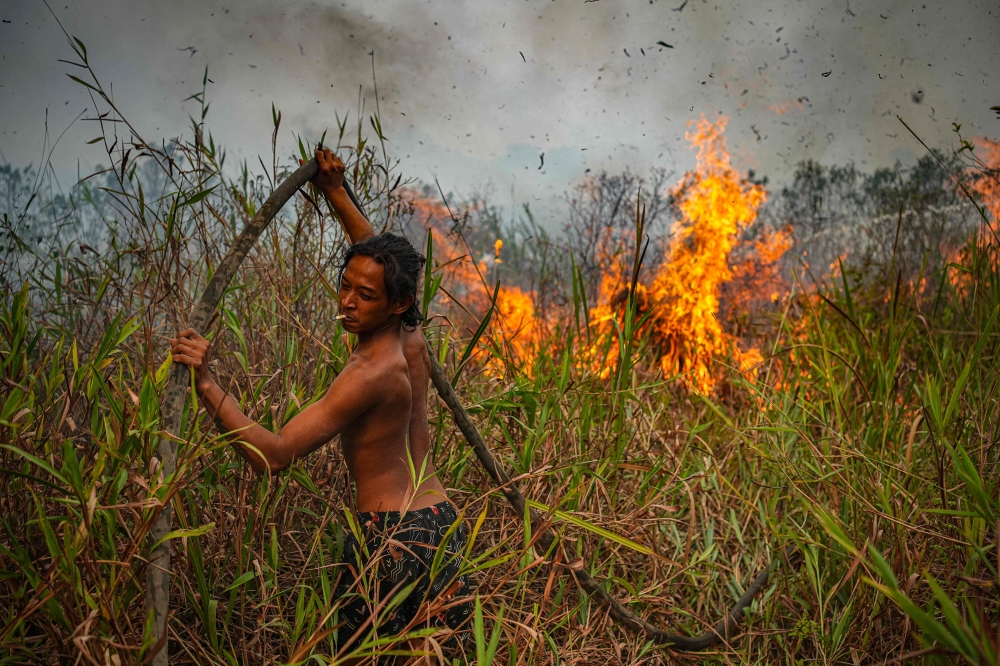
Indonesia has been grappling with devastating wildfires that have burned large areas of forest and peatland ecosystems, releasing toxic haze into the atmosphere and impacting neighboring Malaysia and Singapore. During the first seven months of the year, over 202,000 hectares of land were consumed by fire, a 69% increase compared to the same period last year. The Nusantara Atlas project estimates that as of August, nearly 896,000 hectares had burned, five times the size of Greater London.
South Papua, on the country's easternmost island, was the most affected region, with over 168,000 hectares burned by August. The El Nino weather phenomenon, which typically brings dry conditions to Indonesia, is considered a trigger rather than the sole cause of the fires. Human activities, such as slash-and-burn land-clearing and decades of forest degradation, have further exacerbated the situation.
Peatlands, which are dense layers of partially decomposed organic material, have been dried out for agricultural purposes, making them highly flammable and difficult to extinguish once ignited.
The Indonesian government has responded to the crisis by deploying firefighters, volunteers, and utilizing cloud-seeding and water-bombing techniques. Malaysia and Japan have also offered assistance. President Prabowo Subianto recently established a new government agency to manage tropical peat and mangrove ecosystems and prevent future fires. However, the agency's mandate has been met with skepticism, as it lacks the necessary powers to effectively address the issue of peat management.
Indonesia's health ministry reported over 170,000 cases of respiratory illness in haze-affected provinces in Sumatra and Borneo. Wildlife rescue efforts have saved 100 animals, including 53 orangutans, from the fires. The International Union for Conservation of Nature reports that fires have been detected within habitats containing 52% of the island's orangutan population.
The haze has spread beyond Indonesia's borders, affecting Malaysia's Sarawak state, Singapore, and even causing declining air quality in the Philippines and southern Thailand.
Written by urgent.news from Malay Mail's reporting — not their text. Machine-written — may contain errors; check the original before relying on it.