What Virginia’s data-center backlash shows about how Americans feel right now — and it’s not just anger
Residents support public hearings and limits on building near homes and schools, but 47% still favor development.
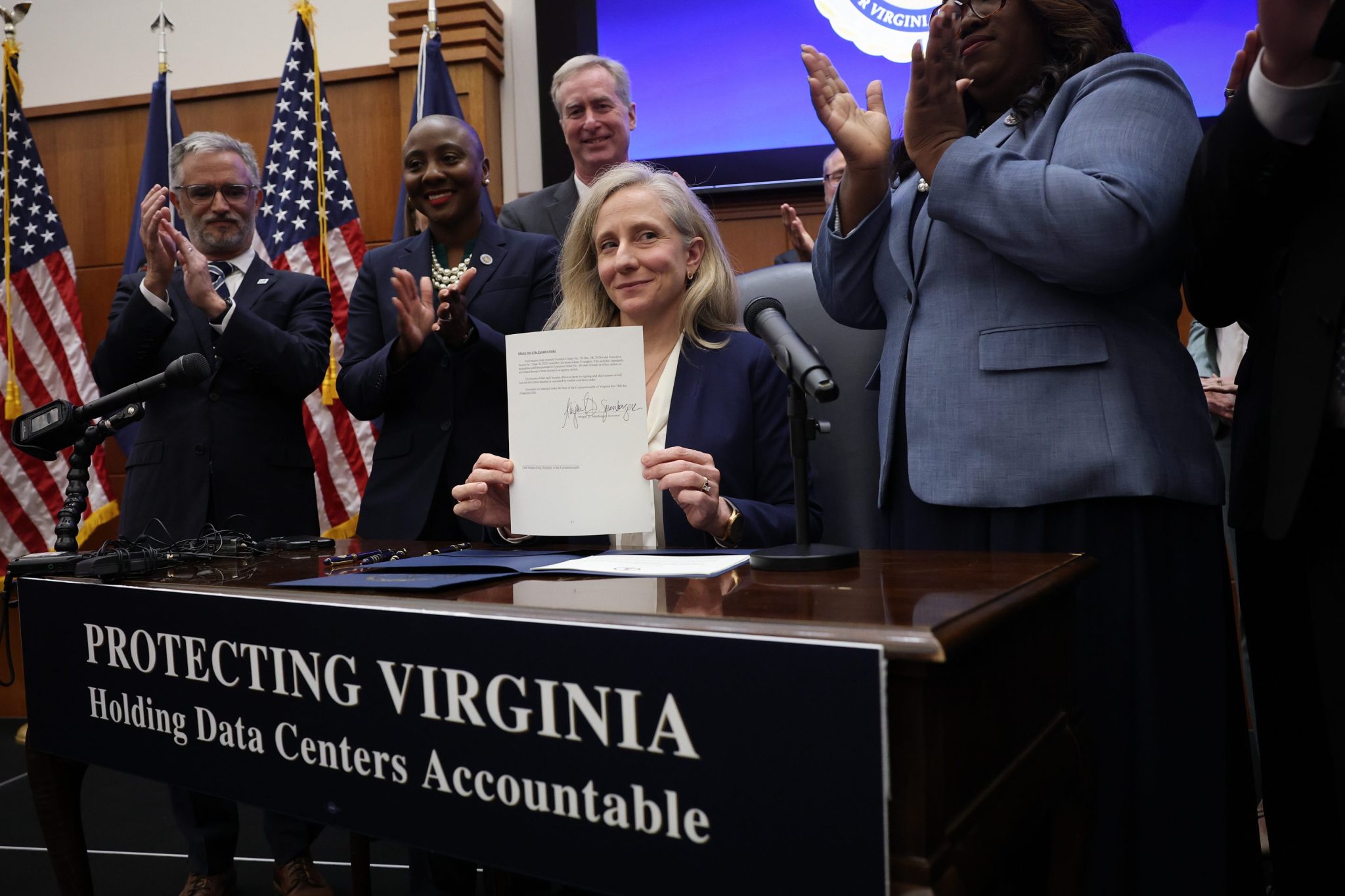
Northern Virginia has long been home to the largest concentration of data centers in the world. Recent surveys reveal that residents support regulations making data centers more transparent and accountable. However, some regulations are valued over others. Nationwide concerns about electricity demand and environmental effects have contributed to rising opposition to data center construction, not only nationwide but at the heart of the industry.
In July 2026, developers abandoned a 2,100-acre Prince William County proposal due to public protest and legal action. County officials later rejected a plan to rezone another 2,000 acres for additional data centers. This article explores Virginians' perspectives on data center living and future development projects. In late 2025, 1,004 residents of northern Virginia and the Richmond metropolitan area participated in a survey.
Instead of asking for support or opposition to specific policies, respondents were presented with policy combinations and asked to select their preferred options. These combinations included factors such as data center locations, power line placement, electricity rates, environmental impacts, and public review requirements. Survey participants evaluated five pairs of combinations, allowing researchers to statistically analyze the influence of each individual policy measure.
Visible and immediate impacts, such as underground electricity transmission lines and restrictions on data centers near homes, schools, and parks, garnered the strongest support from residents. Regular reporting of energy and water usage also received high approval. Public participation ranked second among the six policy provisions in shaping residents' preferences.
For years, many Virginia jurisdictions allowed developers to build data centers without public review, leading to situations where residents only learned of major decisions after they were made. For example, in July 2024, Fairfax County's Bren Mar neighborhood residents raised concerns about a proposed 466,000-square-foot data center, only to find that local zoning laws permitted construction without public hearings or much review.
In early 2025, Loudoun County, known as "Data Center Alley," abolished automatic zoning approval for new data centers and mandated public hearings before officials decided on proposals. The U.S. Environmental Protection Agency under the Trump administration attempted to reduce public hearing requirements for data center projects.
Respondents were divided on whether data centers should receive higher electricity rates than other customers, as infrastructure costs incurred to support data centers could ultimately pass down to other customers. In August 2026, a Bloomberg analysis reported that wholesale electricity prices near data centers had more than tripled between 2020 and 2025.
In the same month, Reuters announced that Virginia's rapid data center growth had forced Dominion Energy, the local power company, to rely more on expensive wholesale power, potentially raising residential bills by around $20 per month. To make informed decisions about complex issues, the public may need assistance from technical experts who can clearly communicate the involved trade-offs. Before any new data center gets built, the people living nearby want a chance to weigh in.
Written by urgent.news from Fortune's reporting — not their text. Machine-written — may contain errors; check the original before relying on it.