Vietnamese goods account for only about one percent of CPTPP market share
The CPTPP member countries import around US$4.25 trillion worth of goods annually, but Vietnamese products account for only about 1 percent of their markets, highlighting substantial room for Vietnam to expand exports.
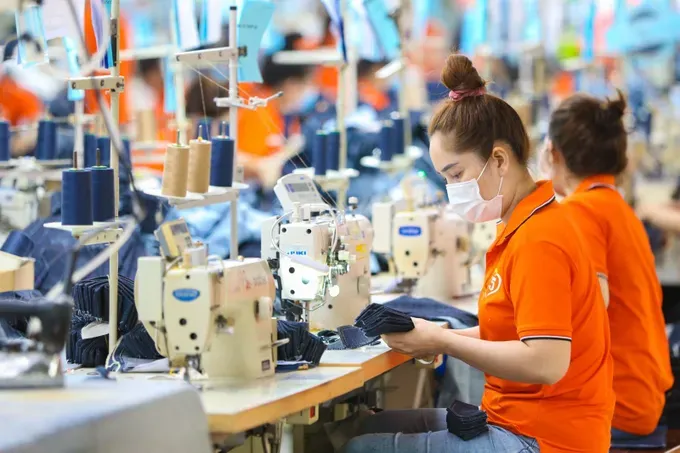
The Comprehensive and Progressive Agreement for Trans-Pacific Partnership (CPTPP) includes 11 countries with a combined annual goods import value of approximately US$4.25 trillion. Despite this, Vietnamese products make up only about 1 percent of the market share in these CPTPP nations, indicating a significant opportunity for Vietnam to increase its exports.
During a seminar organized by Vietnam's Ministry of Industry and Trade, Trade Counselor Nguyen Thi Trang highlighted that Mexico alone imported around US$664 billion worth of goods in 2025, with Vietnam's exports to Mexico amounting to just US$7 billion, or roughly 1 percent. Similarly, in Canada and Mexico—both CPTPP members with free trade agreements—Vietnamese goods account for only about 1 percent of total imports.
Deputy Director General Ngo Chung Khanh of the Department of Foreign Market Development noted that while Vietnam's exports represent a small portion of these markets, there is substantial potential for growth. To capitalize on this opportunity, Vietnamese businesses must comply with CPTPP rules of origin and meet the technical standards, labor, environmental, and import regulations of the individual markets.
Compliance with these rules is crucial for accessing preferential tariff rates, but it is only the first step. Trade Counselor Trang emphasized that factors such as product quality, specifications, certifications, production capacity, minimum order quantities, delivery times, and supply stability also play a critical role in converting market access into actual orders.
A recent effort by the Vietnamese Trade Office in Mexico to connect Mexican companies with Vietnamese suppliers resulted in four companies establishing trade agreements. However, one Vietnamese company lost an advantage due to a lack of English-speaking staff, underscoring the importance of language capabilities in international business dealings.
Vietnamese trade experts advised businesses targeting the Mexican market to familiarize themselves with HS codes, rules of origin, CPTPP tariffs, technical standards, and import requirements. They should also assess their competitiveness, identify target customer segments, test their products in the market, seek out buyers, and maintain ongoing monitoring of the market post-engagement.
The Ministry of Industry and Trade is developing an FTA implementation management system with three key components: providing information via the Government’s FTA portal, assessing the outcomes of FTA implementation at the local level, and establishing an FTA utilization ecosystem that connects regulatory agencies, local authorities, business associations, companies, logistics providers, financial institutions, and other stakeholders throughout the production and export processes.
Written by urgent.news from SGGP English Edition Business's reporting — not their text. Machine-written — may contain errors; check the original before relying on it.