+++ USA +++: USA lockern Spritsparvorgaben für Autos deutlich
Trotz Warnungen aus Tech-Branche: Trump lehnt KI-Regulierung ab +++ US-Sender CNN darf Trump nicht auf Reise nach Tennessee begleiten +++ Republikaner scheitern mit Wahlkreis-Umbau für Missouri +++ Der Newsblog.
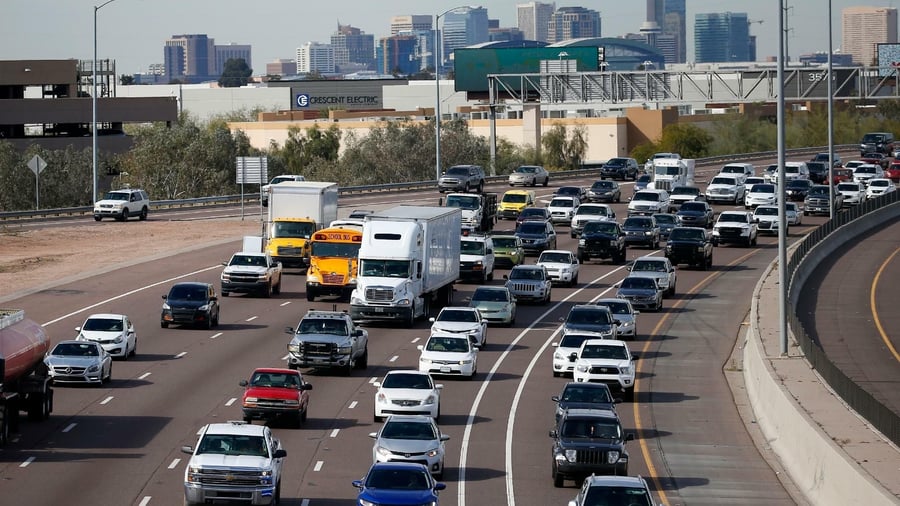
US President Donald Trump has relaxed fuel efficiency standards for cars and trucks in the United States, effective by 2031, according to a source. The move comes as the country grapples with soaring fuel prices since the start of the conflict between the US, Israel, and Iran in late February.
Bill Gates, co-founder of Microsoft Corp., supports the US government's decision to implement these relaxed standards. He believes that national security measures against potential catastrophic risks posed by artificial intelligence (AI) would not hinder the US in competition with China. Gates stated this in an interview with NBC's "Meet the Press."
Gates believes China will also join in promoting AI safety, as it is not the goal of attacks. However, Trump might change his stance after hearing from Gates and others, arguing that the move would not impede progress in what Trump considers as a race among nation-states.
The US Department of Transportation will finalize the new rules on Monday, according to government representatives. President Trump approved the new rules, which aim to lower the price of new vehicles. Transportation Secretary Sean Duffy hailed it as a "big win for American auto workers."
The new regulations are expected to reduce the average fuel efficiency of new cars to 14.7 kilometers per liter by 2031, compared to 21.4 kilometers per liter set under President Joe Biden. This comes at a time when US drivers have faced significantly higher fuel prices since the beginning of the conflict.
Pete Buttigieg, who headed the transportation department under Biden, criticized Trump's move, stating that it will accelerate the shifting of the future of clean technologies to China, forcing Americans to pay more at the pump.
Written by urgent.news from Handelsblatt's reporting — not their text. Machine-written — may contain errors; check the original before relying on it.