US-Militär in Nahost: Eine neue Balance: US-Truppen ziehen aus dem Irak ab
Mit Einsätzen des US-Militärs im Irak wurden Saddam Hussein gestürzt und die IS-Terrormiliz besiegt. Zugleich gewann der Iran massiv an Einfluss. Das Land steuert in eine neue Phase der Ungewissheit.
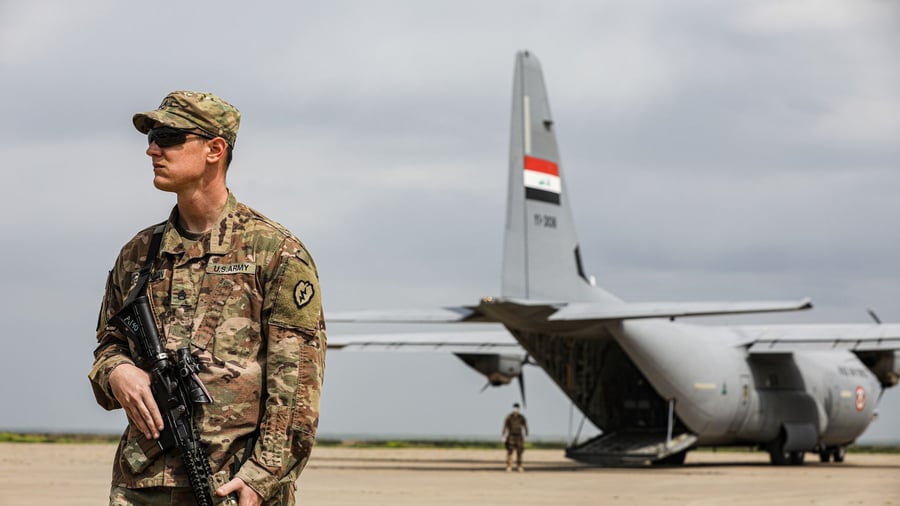
In the wake of the removal of Saddam Hussein from power in Iraq, more than two decades of conflict have unfolded, including wars, displacement, terrorism, and political unrest. With the withdrawal of the last US soldiers from Iraq scheduled for Wednesday, a new era of uncertainty looms. The decision to withdraw formally took place in 2024, with the US military intervention ending in 2021, and the last 2,500 troops remaining only as advisers and trainers.
The pullout addresses key demands from Iraq's Prime Minister Ali al-Saidi and Iran-aligned militias in the country. However, the departure has been postponed until June 2027, with uncertain success prospects.
The US military presence in Iraq began after the terrorist attacks in September 2001 in the United States. President George W. Bush declared a global "war on terror" and labeled Iran, Iraq, and North Korea as supporting terrorist networks. Despite evidence later proving false, the US invaded Iraq in 2003, toppling Hussein and causing the deaths of hundreds of thousands due to the brutal regime.
The aftermath saw years of uprisings, chaos, and violence between Shia and Sunni groups, resulting in the deaths of around 4,500 US soldiers and tens of thousands of Iraqis. Iran and its allied militias gained significant influence during and after the war, further strengthening the power vacuum and enabling the rise of Al-Qaeda and subsequently the Islamic State (IS).
In 2014, the expansion of the Sunni IS terror group prompted the return of US troops to Baghdad. Operating under the "Operation Inherent Resolve," a coalition of over 80 countries joined the fight to liberate Iraq and Syria from IS rule. These costly battles, lasting weeks and months, claimed thousands of lives among coalition forces and an estimated 13,000 civilian deaths.
The German military also participated since 2015. Despite the victories, IS now focuses on its survival, with few attacks since 2013, and thousands of captured IS members are held in Iraqi prisons.
The US withdrawal in Iraq benefits Iran, allowing it to maintain or expand its power. Militias can continue attacking US facilities or energy infrastructure in the Gulf states. Critics fear a repetition of the US withdrawal from Afghanistan, where insufficient danger mitigation led to instability. Iran's influence in Iraq is politically significant and economically crucial for the country.
However, the Kurds, who suffered greatly during the war and now lose their main shield of protection, fear a similar fate as in Syria, where they strive to maintain a form of self-governance. The Crisis Group's Lahib Higel warns against the temptation to pit Iran against Washington, emphasizing that Iraq needs space to find its own balance.
Written by urgent.news from Handelsblatt's reporting — not their text. Machine-written — may contain errors; check the original before relying on it.