Trump Rolls Back Fuel Economy Standards. Will Cars Really Get Cheaper?
The Trump Administration says its new rule will reduce car prices. But Americans’ savings down the road will depend on broader economic conditions and fuel costs.
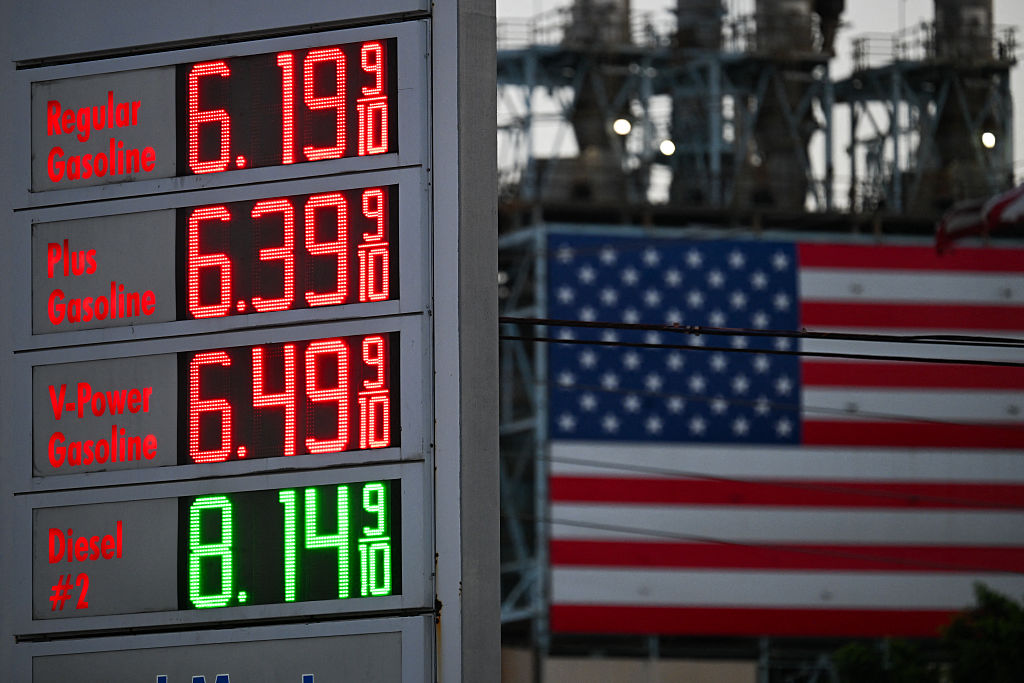
On September 26, 2026, the Trump Administration announced it was rolling back Biden-era fuel economy standards in the United States. Transportation Secretary Sean Duffy claimed the previous regulations were costly for automakers and pushed for electric vehicles that Americans did not want. The Administration argued that the changes would reduce automakers' costs and make new cars more affordable for American consumers.
The rule modifies the Corporate Average Fuel Economy (CAFE) standards, which dictate the average fuel economy of an automaker's new cars and light trucks. The Biden Administration projected that the standards would bring fleet fuel economy to approximately 50.4 miles per gallon (mpg) by model year 2031. Under the Trump Administration's revised standards, the fleet fuel economy is expected to be around 34.9 mpg.
Environmental advocates have criticized the rollbacks, pointing out that they reflect the Trump Administration's broader deprioritization of environmental protection policies. The Administration eliminated the $7,500 electric vehicle tax credit in July 2025 and repealed vehicle greenhouse gas emissions standards in February 2026. Additionally, the Administration has axed federal incentives for electric vehicle production, making it less profitable for automakers to produce these vehicles.
While the Trump Administration believes that the revised standards will ultimately result in lower prices for American buyers, this claim relies on several factors, including automakers' pricing decisions, fuel costs, and broader economic conditions. Former President Joe Biden's regulations aimed to reduce car-based greenhouse gas emissions, decrease dependence on fossil fuels, and spur a transition to electric and hybrid vehicles.
However, the Trump Administration's changes seem to focus more on bolstering the auto industry and making newer cars more accessible.
Some experts argue that the rollbacks could lead to more affordable cars for American consumers. Mark Jacobsen, a professor of economics at the University of California, San Diego, stated that making "a lower-technology car using ultra-gasoline engines" is cheaper for manufacturers. This is a key reason why trade groups representing automobile manufacturers support the change.
However, others, like Sam Fiorani, Vice President of Global Vehicle Forecasting at AutoForecast Solutions, caution that the success of the transition to electric vehicles depends on various factors, such as consumer demand for electric vehicles and the profitability of producing them.
Written by urgent.news from Time's reporting — not their text. Machine-written — may contain errors; check the original before relying on it.