Tibet’s advocates need to reach China’s majority
Growing Han Chinese awareness and activism poses the only pressure Beijing cannot ignore on Tibet.
On July 2, Tibetan activist Lobga Rangzen ended his life by setting himself on fire outside the United Nations headquarters in New York City. This act occurred one day after China implemented its Ethnic Unity and Progress Promotion Law. In a video posted prior to his death, Rangzen denounced the law, claiming it sought to erase Tibetan identity, and urged Tibetans living in exile to fulfill their duty.
Tibetans have sought redress from the United Nations since 1950, following Tibetans' initial appeal to the global body after the 1950 invasion. The General Assembly had passed resolutions regarding Tibet in 1959, 1961, and 1965, with the 1961 resolution explicitly mentioning Tibetans' right to self-determination. However, following China's assumption of China's U.N. seat in 1971, Tibet's issue was removed from the organization's agenda.
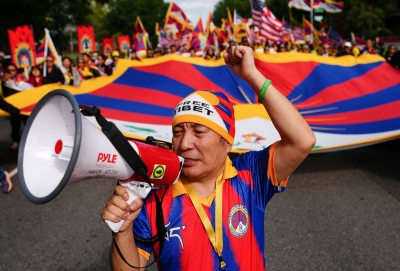
Rangzen's act of self-immolation served as a stark reminder of the six decades of silence surrounding Tibet's plight. In the days following his death, Tibetan communities worldwide engaged in marches and demonstrations. Various news outlets, including CNN and Radio Free Asia, reported on the event, while the U.N. secretary-general's spokesperson expressed condolences and the U.S. State Department reaffirmed its support for Tibetans.
However, shortly after the coverage, it disappeared. No government authorities went beyond issuing standard expressions of sympathy.
Written by urgent.news from Japan Times's reporting — not their text. Machine-written — may contain errors; check the original before relying on it.