The Monetary Policy has changed its mindset. What’s next for interest rates?
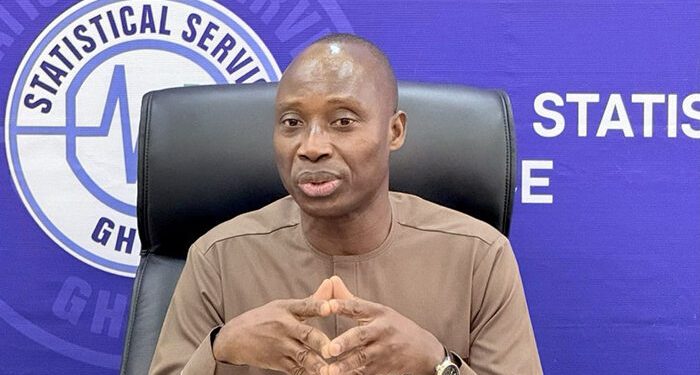
Investec Chief Economist Philip Shaw explains why an interest rate rise now looks more likely – and when these changes are expected. The Bank of England’s Monetary Policy Committee voted 6-3 to keep the Bank rate at 3.75% earlier this month, with the three dissenters backing a quarter-point increase. This was exactly the same voting [...]
Investec's Chief Economist, Philip Shaw, reveals the likelihood of an interest rate rise and the expected timing according to the Bank of England’s Monetary Policy Committee. The committee's voting pattern remained the same as in July 2026, with six members voting to maintain the Bank rate at 3.75% and three dissenting in favor of a quarter-point increase.
This shift in thinking was noted by four members, including Governor Andrew Bailey, who acknowledged that inflationary risks had increased since the summer and were less certain that rates should remain unchanged. The Bank rate changes impact economic activity and inflation over a period of two to three years, and there is no immediate mechanism to bring the current 3.1% CPI inflation down to the 2% target.
The primary factors being considered are the ongoing Iranian conflict, which has led to elevated energy prices, and the potential for faster pay growth due to sustained high inflation. If the conflict persists, it could lead to faster pay increases, creating a feedback loop and exacerbating inflationary pressures, putting more pressure on the Bank to act.
Additionally, the bank's July forecast predicted that inflation would return to 2.0% by the first quarter of 2028, contingent on energy prices falling. A prolonged delay in Iran and the US reaching an agreement could prolong elevated inflation, creating concerns about the Bank's credibility. A renewed inflation scare could drive up long-term borrowing costs, making the MPC's decision to increase rates at the next meeting in early November a necessary precaution.
If the conflict ends soon, the MPC can cancel this insurance policy, and interest rates could start to decrease later next year.
Written by urgent.news from City AM's reporting — not their text. Machine-written — may contain errors; check the original before relying on it.