The $170 billion lesson data center developers keep learning the hard way
Maura Healey, the governor of Massachusetts, recently laid down a new rule on the contentious question of whether to build data centers in her state: “Unless a community says yes to a data center, we are saying no.” Pennsylvania’s governor, Josh Shapiro, took it a step further , requiring developers to “[c]ommit to open, transparent engagement with local residents and leaders . . . early enough…
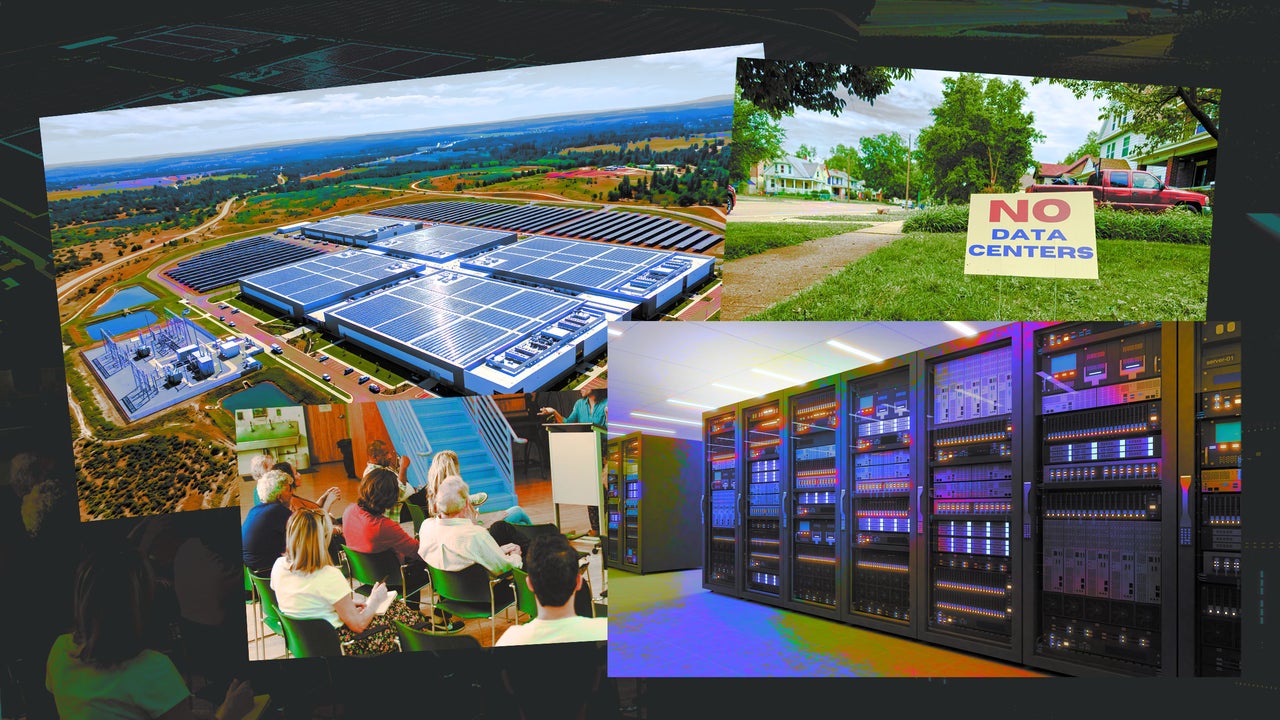
The controversy surrounding data center development in the United States has reached a significant milestone, with the estimated investment amounting to over $170 billion. Governors from both major political parties have been actively pursuing data center projects to attract investment and create jobs. However, the path to hosting these infrastructure projects is fraught with challenges, as communities are increasingly wary of approving such developments.
In Massachusetts, Governor Maura Healey has implemented a policy that essentially requires a community's explicit approval before constructing a data center. This is a marked shift from previous practices. Pennsylvania has taken a similar route by mandating open and transparent engagement with local residents early in the development process.
Yet, the definition of "yes" remains ambiguous. Is it a vote at a town meeting? A zoning approval? The matter of who represents the community is also unclear. The situation becomes even more complex when states impose additional requirements, such as Texas' mandate for developers to account for water use, electricity costs, noise, traffic, and other neighborhood impacts before connecting to the grid.
The issue of what residents can and should ask for from data center developers when these agreements are in place is not straightforward. Some states, like Massachusetts, require a Community Benefits Agreement (CBA), a negotiated deal where developers promise to give back to the community. However, determining what a community can reasonably request is not a simple task.
The primary issue is the lack of trust between developers and communities. Recent data reveals that between January 2024 and May 2026, at least 46 AI data center projects across 20 states were blocked, withdrawn, or stalled due to community opposition. This represents an investment of more than $170 billion. A separate estimate suggests that $68 billion in data center projects were blocked or delayed in the first quarter of 2026 alone.
In response to such skepticism, developers often highlight potential benefits, such as job creation, tax revenue, and economic growth. Some hold public information sessions and hold hearings to address residents' concerns about environmental impacts like water consumption, electricity demand, and noise. However, this approach often fails to build trust.
Community engagement generally begins after the most crucial decisions have been made, with residents presented with a proposal and asked to react to it. Furthermore, community benefits are usually determined by what companies are willing to offer rather than what residents consider essential for their community. The debate over data centers is often intertwined with broader concerns about AI, climate change, jobs, and corporate power.
Many people have limited understanding of how hyperscale AI data centers operate and struggle to compare their environmental and economic impacts with other industrial uses. Consequently, claims about their effects can be confusing, contradictory, or exaggerated. However, the shortcomings in public engagement with this issue serve as a reminder of the need for better engagement, not less.
Communities require credible information to comprehend the trade-offs, and developers and public officials need local knowledge that engineering reports cannot provide. This includes understanding which water resources residents are concerned about, identifying areas where additional traffic or noise would be particularly disruptive, determining the types of jobs the community needs, assessing existing infrastructure strain, and identifying investments residents believe would make the project worthwhile.
Obtaining this collective intelligence does not mean turning the issue into a referendum on whether America should build data centers. Some communities actively welcome data centers, while others believe the costs outweigh the benefits. The goal is to equip communities with the necessary information and capacity to make an informed decision, ideally before the data center's design and location are finalized.
Moreover, developers should not negotiate with communities in secrecy. Communities should have the opportunity to voice their concerns transparently and propose changes in siting or design, demand stronger water-conservation requirements, noise limits, or protections against higher electricity costs. They might also seek local hiring and training commitments or investments in local priorities like schools, libraries, transportation, and parks.
Community Benefits Agreements, Good Neighbor Agreements, or similar policy mechanisms could offer more than just financial compensation. They could include AI training for residents and small businesses, technical expertise for schools and nonprofits, computing resources for universities, and support for local governments to build tools that enhance public services.
These agreements could also help fund grid upgrades, alleviate the strain data centers place on the power system, and reduce residents' utility bills. Ultimately, communities should be able to engage in an open, accessible, and informed conversation about the larger question: If we host the physical infrastructure of the AI economy, what should we receive in return?
Written by urgent.news from Fast Company's reporting — not their text. Machine-written — may contain errors; check the original before relying on it.