The 1066 real estate revolution: How one man reshaped land ownership in England
William, Duke of Normandy, invaded England in 1066, leading to significant changes in land ownership. Following his victory over King Harold II, William redistributed land among his supporters. The creation of the Domesday Book in 1086 recorded land ownership and resources in the realm. By the end of William's reign, Norman nobles held the majority of England's wealth and land. This transformed…
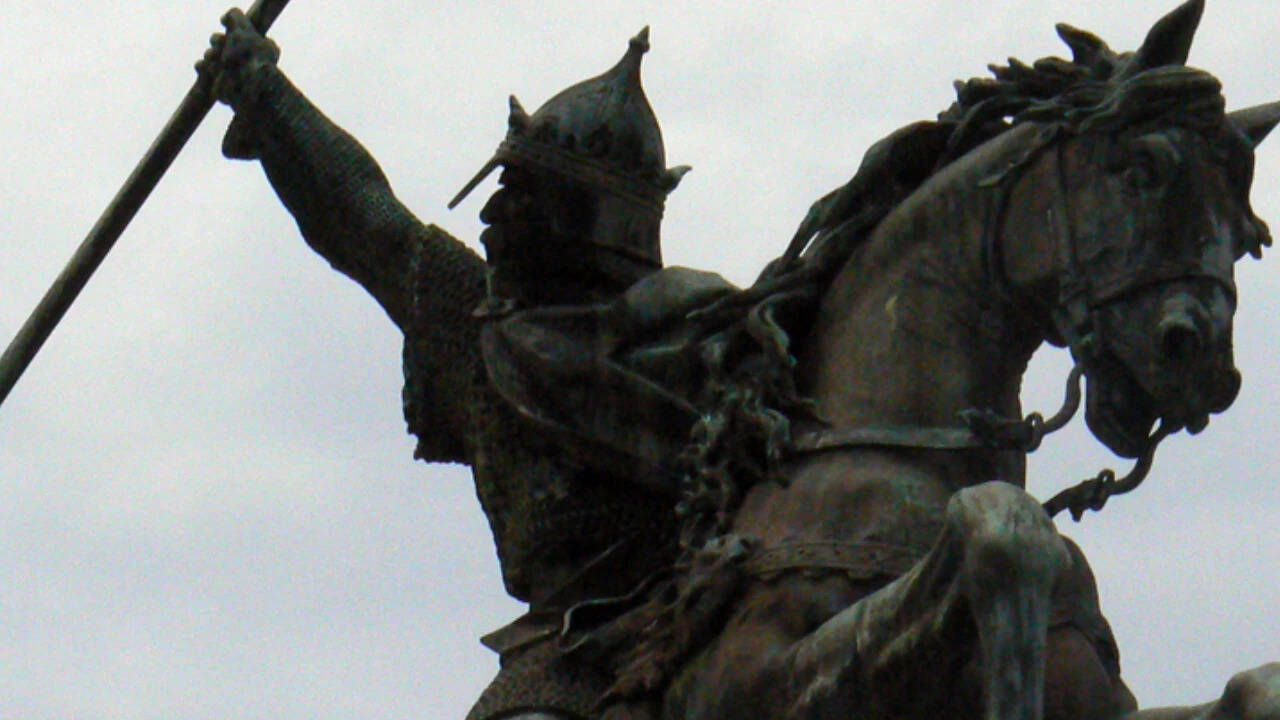
The 17th-century English villagers lived vastly different lives compared to modern times, with minimal technology and resources. Despite these stark differences, some connections between past and present lives remain, such as disputes among neighbors and domestic disputes. However, villagers then faced severe hardships like hunger, plague, influenza, and compulsory worship with strict church dogma.
Women and poorer individuals were especially targeted by religious laws and societal expectations, which often led to accusations of witchcraft. The term "witch" described an unreality—a person in league with the devil, using magic to harm others and reject God. Poorer women and those labeled as unmarried mothers were particularly vulnerable as they faced harsh punishments like imprisonment, denial of church charity, and exclusion from the congregation.
During the civil wars in the 1640s, this vulnerable population suffered further as they had to flee war zones, leaving behind their homes and communities. This led to a cycle of poverty, marginalization, and accusations of witchcraft that plagued many of these individuals throughout the century.
Written by urgent.news from Literary Hub's reporting — not their text. Machine-written — may contain errors; check the original before relying on it.
This story
This is one outlet's version. Read the fullest account.