Study drone defibrillator delivery could significant improve coverage
New research from a team in France shows average improvements of 3.76 minutes in delivery times.
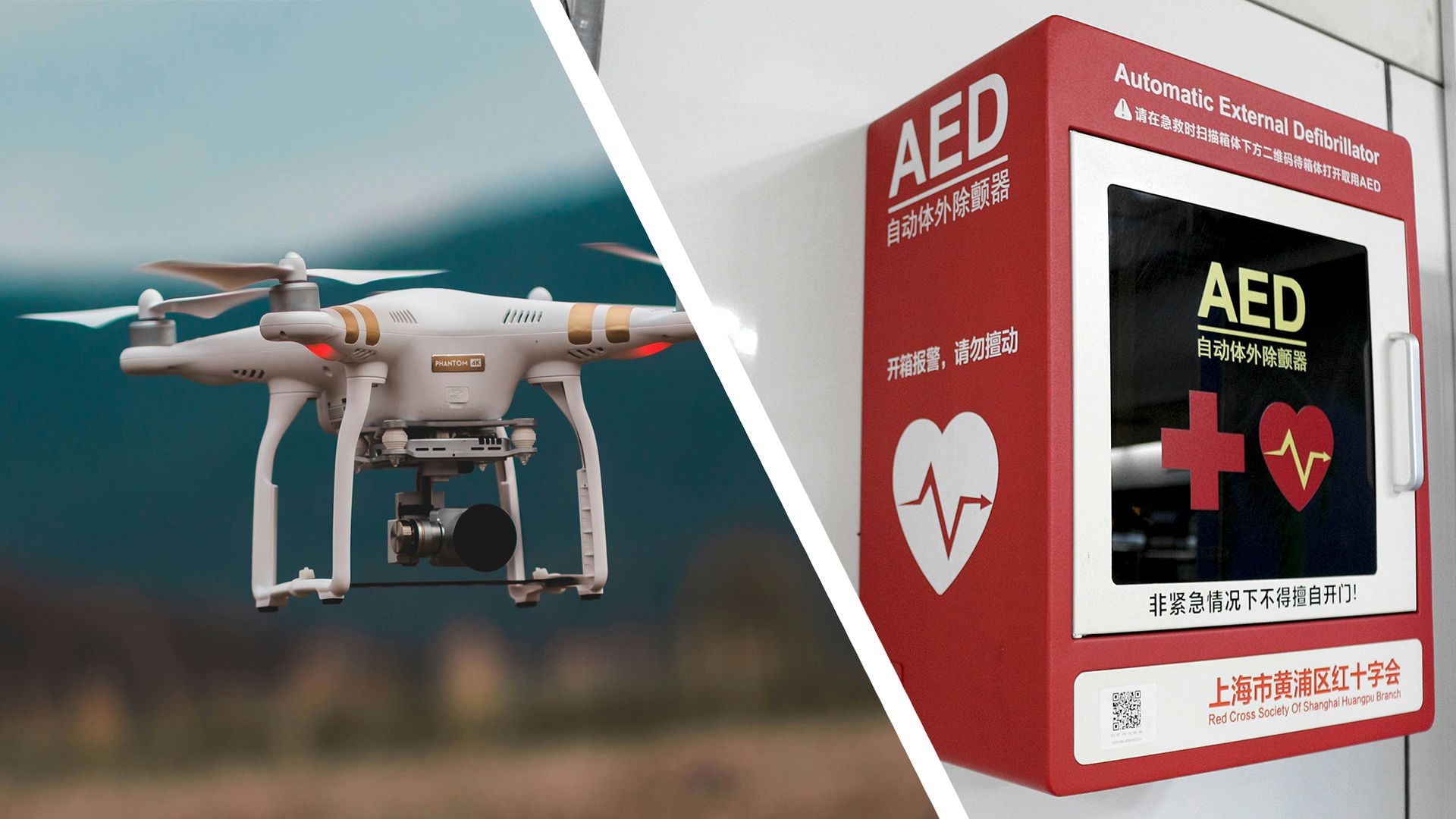
A recent study by French researchers suggests that drone delivery of defibrillators could significantly improve the chances of survival for those experiencing out-of-hospital cardiac arrests. Currently, the survival rate for such incidents is below 10%, but researchers believe that drones could potentially increase this rate to 99.4%.
The study, conducted by emergency physician Hillary Minka and her colleagues at Lariboisière Hospital, focused on adding drone capabilities to the existing network of fixed automated external defibrillators (AEDs) in the Paris area. Their simulations found that using drones would reduce delivery times by an average of 3.76 minutes compared to traditional foot and road transport. Moreover, 95% of cardiac arrest patients could be reached within five minutes, compared to the current 30-40% figure.
However, the researchers emphasize that drone delivery should not replace the provision of more AEDs or better placement of these devices. They also stress the importance of locating AEDs in publicly accessible areas rather than private spaces. Together, they believe that these measures could increase the five-minute coverage rate to 99.4%.
While the study is based on simulations and modeling, it highlights the potential of drones as an additional link in the chain of survival. However, it's crucial to note that drones cannot replace bystanders, resuscitation efforts, or emergency medical teams. The researchers plan to set up real-world trials to further validate their findings, which has yet to be peer-reviewed.
Some parts of Sweden already utilize drone delivery of defibrillators, and this study may pave the way for similar implementations in other countries.
Written by urgent.news from TechRadar's reporting — not their text. Machine-written — may contain errors; check the original before relying on it.